Asia-Pacific Stocks Show Mixed Movement as Trump’s Statements Impact Global Oil and Defense Sectors
Investors navigate geopolitical risk, energy price swings and uneven regional equities following U.S. market losses
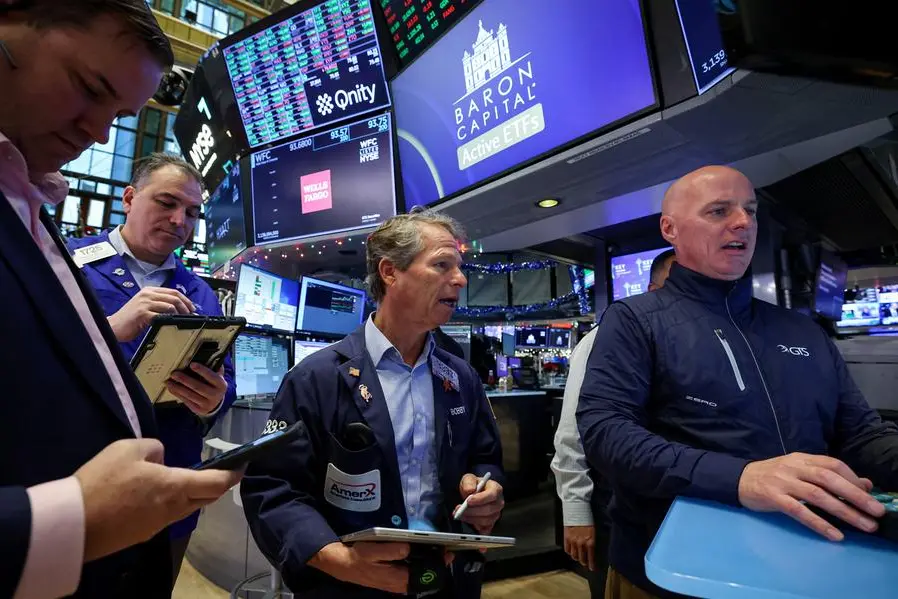
Photo: ZAWYA
Global Backdrop Weighs on Sentiment
Asia-Pacific markets traded unevenly on Thursday as investors reacted to a weaker close on Wall Street and fresh geopolitical signals from the United States. U.S. equities fell overnight amid heightened uncertainty, setting a cautious tone for Asian trading hours. The Dow Jones Industrial Average snapped a three-day winning streak with a sharp decline, while broader risk appetite remained fragile across global markets.
Investor focus has shifted toward political headlines, sector-specific policy risks, and commodity price movements, all of which contributed to choppy trading across the region.
Trump’s Defense and Energy Comments Rattle Markets
Market volatility intensified after U.S. President Donald Trump made pointed remarks about the defense industry, saying he would not allow defense companies to issue dividends or conduct share buybacks until concerns around executive compensation and production performance were addressed. The comments triggered sell-offs in U.S. defense stocks and weighed on related sectors globally.
Energy markets also came under pressure following Trump’s statement that Venezuela’s interim authorities could deliver up to 50 million barrels of crude oil to the United States. The prospect of increased global supply pushed oil prices lower, reinforcing concerns about oversupply at a time when demand growth remains uncertain.
Brent crude slipped to around $60.39 per barrel, while U.S. West Texas Intermediate hovered near $56.33 per barrel during early Asian trading hours, highlighting continued volatility in energy markets.
Japan and South Korea Move in Opposite Directions
Japan’s Nikkei 225 declined nearly 0.7%, dragged lower by losses in technology and basic materials stocks. Shares of major names such as SoftBank fell roughly 4%, while chip-equipment maker Tokyo Electron dropped close to 3%, reflecting ongoing sensitivity to global tech demand and semiconductor investment cycles. The broader Topix index also edged lower.
In contrast, South Korean equities showed resilience. The Kospi climbed more than 1.2%, supported by gains in heavyweight stocks, while the Kosdaq posted a modest advance, signaling selective risk-taking among investors.
Australia Sees Corporate-Driven Moves
Australia’s S&P/ASX 200 closed modestly higher at 8,720.8, supported by strength in select sectors. However, individual stocks saw notable swings. BlueScope Steel fell about 1.6% after rejecting a $9 billion takeover bid from U.S.-based Steel Dynamics and Australian conglomerate SGH. SGH shares also declined nearly 2%.
Later in the session, BlueScope’s largest shareholder, AustralianSuper, increased its voting stake to 13.52% from 12.5%, adding another layer of intrigue to the ongoing corporate developments.
China and Hong Kong Face Tech Pressure
Hong Kong’s Hang Seng Index dropped nearly 1%, led by declines in technology and materials stocks. Lenovo Group fell more than 3%, while Kuaishou Technology and Baidu also posted notable losses. On the mainland, China’s CSI 300 index finished flat, reflecting cautious positioning amid mixed economic signals and global uncertainty.
India Tracks Global Weakness
Indian markets mirrored the broader regional caution. The Nifty 50 slipped around 0.2%, while the BSE Sensex declined by a similar margin. Investors remained focused on external cues, particularly U.S. market movements and commodity price trends, as domestic catalysts remained limited.
U.S. Futures and Tech Offer Mixed Signals
U.S. equity futures were little changed during early Asian hours, suggesting a pause after the prior session’s decline. Overnight, the S&P 500 lost about 0.3%, while the Dow fell sharply. The Nasdaq Composite outperformed, gaining nearly 0.2%, supported by a strong rally in Alphabet shares, which briefly pushed Google’s parent company ahead of Apple in market capitalization for the first time since 2019.
What Investors Are Watching
Markets remain sensitive to political developments, particularly policy signals affecting defense spending and global energy supply. Investors are also closely monitoring corporate earnings, commodity price trends, and geopolitical risks that could influence inflation expectations and central bank policy.
With volatility elevated and sector-specific risks intensifying, Asia-Pacific markets are likely to remain range-bound in the near term as traders balance global uncertainty against selective opportunities.