Asian Markets Bleed as Trump-Tehran Brinkmanship Pushes Global Economy Toward the Edge
Investors flee to safe havens as a 48-hour ultimatum on the Strait of Hormuz sends the Nikkei and Kospi into a tailspin, erasing billions in market value.

Photo: PBS
Panic has seized Asian trading floors as the specter of a full-scale energy war looms over the Persian Gulf. In a brutal Monday session, South Korea’s Kospi and Japan’s Nikkei 225 both cratered by more than 5%, marking one of the most volatile trading days since the conflict began. The sell-off was triggered by a dramatic escalation in rhetoric between Washington and Tehran, leaving investors scrambling to price in the possibility of a total collapse in global oil transit.
A 48-Hour Window to Chaos
The primary catalyst for the market rout was President Donald Trump’s latest "red line." The White House issued a blistering ultimatum to Iran: reopen the Strait of Hormuz—the world’s most vital oil chokepoint—within 48 hours or face the "obliteration" of the country’s domestic power grid.
This deadline, set to expire Monday evening Washington time, has sent shockwaves through the tech-heavy indices in Seoul and Tokyo. Market analysts note that the threat to Iran’s electricity infrastructure is being viewed by traders as a precursor to a wider regional blackout that could halt industrial production across the Middle East.
Tehran’s Scorched Earth Warning
Iran has not blinked in the face of the American threat. Instead, Tehran has doubled down, warning that any strike on its soil would trigger immediate retaliation against the Gulf’s critical lifeblood. Iranian officials have explicitly named energy infrastructure and desalination facilities in neighboring Gulf states as legitimate targets.
For Asian economies like Japan and South Korea, which rely on the Middle East for over 80% of their crude oil imports, the threat to desalination plants and refineries is a nightmare scenario. If these facilities are hit, the cost of production for everything from semiconductors to automobiles could skyrocket, fueling a global inflationary fire that central banks are ill-equipped to fight.
Market Carnage by the Numbers
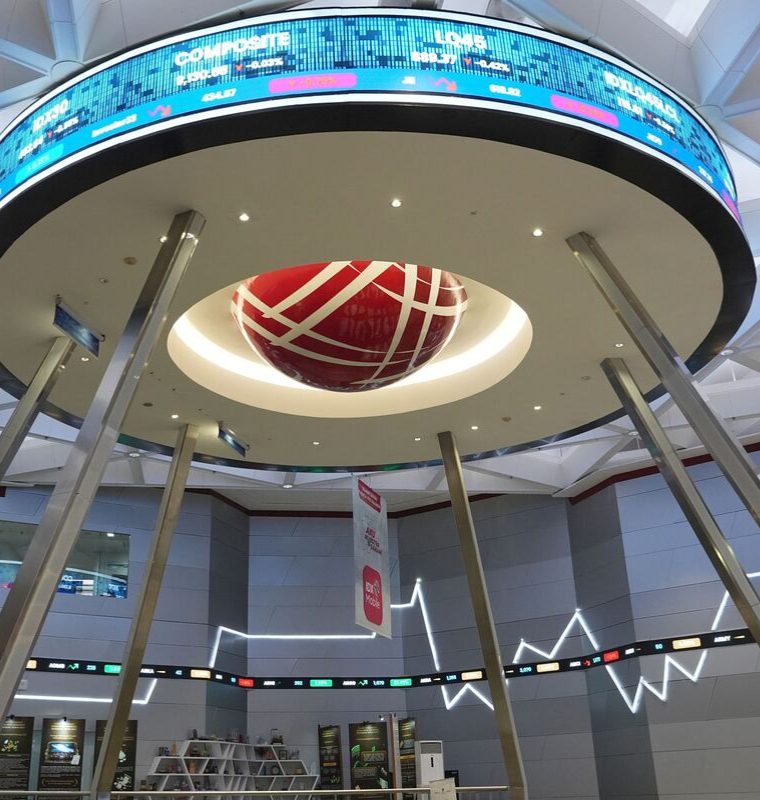
The visual on trading screens across the Asia-Pacific was a sea of red:
- Japan: The Nikkei 225 plummeted over 1,500 points in a single session, as heavyweights in the manufacturing and shipping sectors bore the brunt of the anxiety.
- South Korea: The Kospi’s 5% drop was fueled by a mass exodus from blue-chip tech stocks, with investors fearing that a spike in energy costs will gut corporate margins in the coming quarter.
- Safe Havens: As equities tanked, the Japanese Yen and Gold saw a surge in demand, as is typical when geopolitical "black swan" events move from theory to reality.
Global Energy Shockwaves
The Strait of Hormuz handles approximately 21 million barrels of oil per day. With Iran effectively throttling this traffic since late February, Brent crude has already surged toward the $113 per barrel mark. Traders are now pricing in a "war premium," with some analysts suggesting that a failure to reach a diplomatic off-ramp before the 48-hour clock runs out could push oil prices well north of $150, a level that would almost certainly trigger a global recession.
As the world watches the clock in Washington, the message from Asian markets is clear: the cost of conflict is no longer a distant possibility—it is being deducted from retirement accounts and corporate balance sheets in real-time.