China’s AI Chipmakers Rush to IPOs While the Industry Leader Remains Private
Smaller semiconductor designers tap public markets for capital, but analysts say Huawei’s scale, integration, and strategy keep it firmly in control of China’s AI chip race
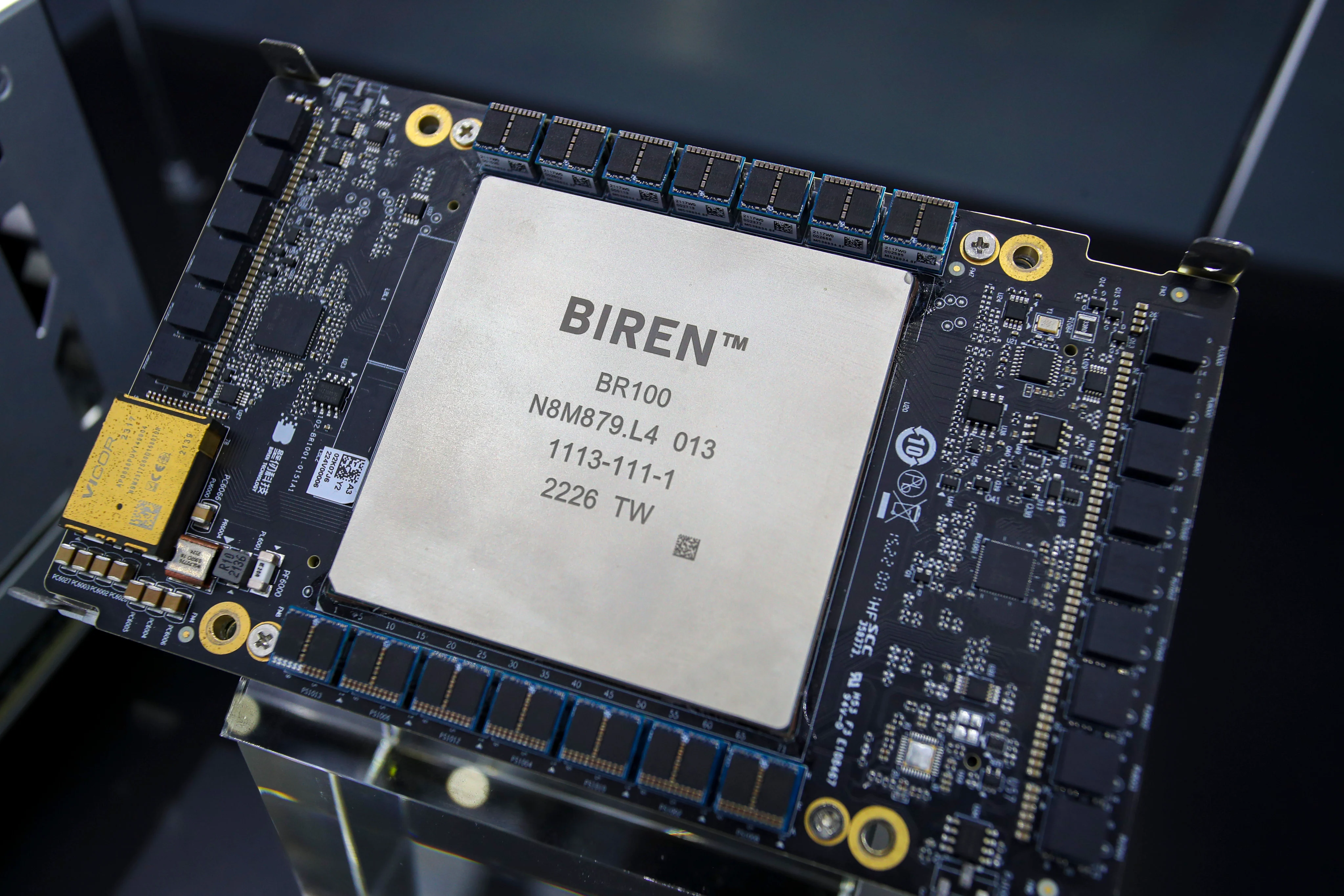
Photo: South China Morning Post
China’s artificial intelligence chip sector is seeing a surge of initial public offerings as emerging semiconductor designers race to raise capital and gain visibility. Yet despite the flurry of listings, industry analysts widely agree that the country’s most powerful player in AI chips is not joining the IPO wave anytime soon.
While several smaller Chinese AI chip firms have gone public over the past year, Huawei continues to dominate the domestic market while remaining privately held. The contrast highlights a widening gap between capital-hungry startups and a vertically integrated technology giant with unmatched resources.
IPO momentum favors smaller players
China’s stock markets have become increasingly active venues for AI chip companies seeking funding to scale research, production, and commercialization. Many of these firms specialize in niche areas such as inference chips, edge computing processors, or AI accelerators designed for specific industries like surveillance, autonomous driving, and smart manufacturing.
Public listings have helped these companies raise hundreds of millions of dollars, improve brand recognition, and attract government-backed investment funds. For early-stage chip designers, IPOs offer a critical lifeline in an industry where development costs are high and competition is intense.
However, analysts note that despite strong investor interest, most listed AI chip firms still generate limited revenue and remain years away from achieving meaningful scale or profitability.
Manufacturing bottlenecks slow growth
One of the biggest constraints facing China’s smaller AI chip designers is manufacturing capacity. With advanced chip fabrication largely restricted by export controls, many domestic firms rely heavily on Semiconductor Manufacturing International Corporation (SMIC), China’s leading foundry.
SMIC’s production limitations, particularly at more advanced process nodes, have created bottlenecks that restrict output and delay product launches. This has made it difficult for smaller chipmakers to fulfill large orders or compete directly with global rivals on performance and efficiency.
As a result, even well-funded startups struggle to translate IPO proceeds into rapid market share gains, reinforcing the dominance of established players.
Huawei’s full-stack advantage
Huawei stands apart from the rest of China’s AI chip ecosystem due to its full-stack strategy. Unlike most competitors that focus solely on chip design, Huawei integrates hardware, software, cloud services, and AI frameworks into a single ecosystem.
Its AI chips are tightly linked with proprietary software platforms, data center solutions, and industry-specific applications, creating a level of integration that smaller firms cannot easily replicate. This approach allows Huawei to optimize performance across the entire AI workflow rather than competing on chips alone.
Analysts say this end-to-end control gives Huawei a decisive advantage, especially in enterprise and government markets where reliability, scalability, and long-term support matter as much as raw computing power.
Why Huawei stays private
Despite its dominance, Huawei has shown no public intention to list its AI chip business or the company as a whole. Remaining private allows Huawei to take a long-term approach to research and development without the pressure of quarterly earnings or market volatility.
Staying off public markets also provides strategic flexibility as the company navigates geopolitical tensions, supply chain restrictions, and shifting global regulations. For Huawei, independence from public shareholders is viewed as a strength rather than a limitation.
What this means for China’s AI chip race
China’s AI chip IPO boom is helping build a broader and more diverse semiconductor ecosystem, but it has not altered the industry’s power balance. Smaller firms may continue to innovate and grow within specific niches, yet Huawei’s scale, integration, and technological depth keep it firmly at the center of China’s AI ambitions.
As capital markets fuel experimentation and competition, the gap between publicly listed challengers and the private sector leader underscores a key reality: in China’s AI chip race, access to manufacturing, ecosystems, and long-term strategy still matters more than IPO momentum alone.



.png)