Dyson — The Engineering-Led Startup That Turned Everyday Appliances into Luxury Tech
How James Dyson built a billion-dollar innovation company by reinventing the vacuum cleaner and redefining home appliances
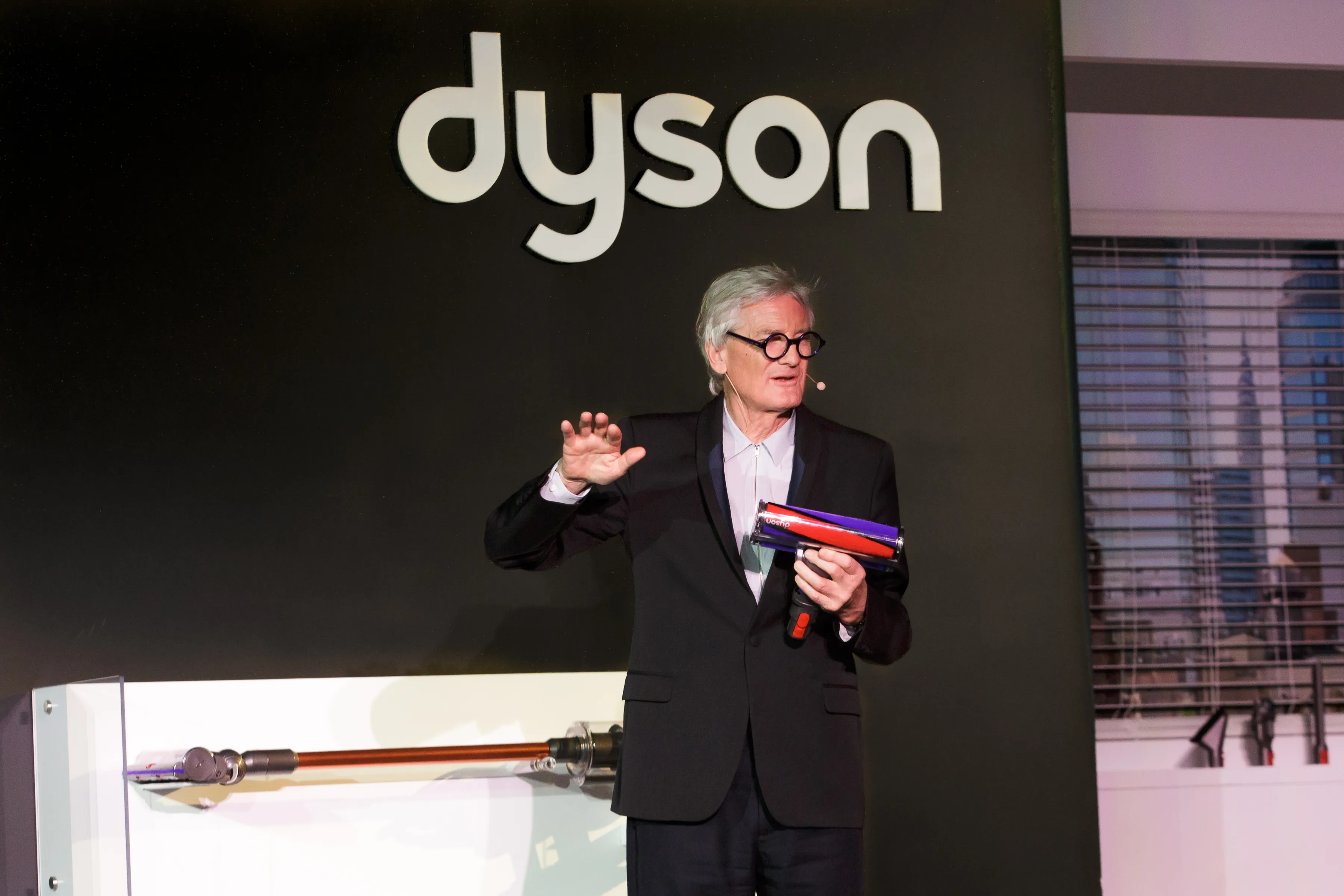
Dyson – Where Engineering Meets Everyday Life
Founded in 1991, Dyson is a UK-based engineering and technology company known for transforming ordinary household appliances into high-performance, design-driven products. From vacuum cleaners to bladeless fans and premium hair tools, Dyson positioned itself as a brand where engineering precision meets luxury consumer design.
Unlike traditional appliance companies that compete on price, Dyson competes on innovation. Its products are marketed as high-end technology devices rather than standard home utilities, reshaping consumer expectations around performance, aesthetics, and usability.
Founding Story
Dyson was founded by Sir James Dyson, a British inventor and industrial designer who became frustrated with the performance of traditional vacuum cleaners. He noticed that most models lost suction as dust clogged the bag, leading to inefficiency and poor cleaning performance.
Instead of accepting incremental improvements, Dyson spent years developing a fundamentally new approach. After building over 5,000 prototypes, he invented the world’s first bagless vacuum cleaner using cyclone separation technology.
When established manufacturers rejected his idea, Dyson licensed the technology in Japan before launching his own company in the UK. His persistence turned a rejected invention into the foundation of a global engineering empire.
Funding and Growth Milestones
Dyson’s growth was largely bootstrapped in its early years, driven by product sales rather than venture capital.
- 1993: Launch of the first Dyson Dual Cyclone vacuum in the UK market.
- Late 1990s: Rapid expansion across Europe, establishing Dyson as a premium appliance brand.
- 2002: Entry into the U.S. market, competing directly with established vacuum manufacturers.
- 2010: Expansion into motors and airflow engineering technologies.
- 2016: Launch of Dyson Supersonic hair dryer, marking entry into beauty tech.
- 2019: Introduction of Dyson Airwrap, combining hair styling with advanced airflow engineering.
- 2020s: Expansion into air purification, lighting, and experimental electric vehicle development (later discontinued).
Dyson has grown into a multi-billion-dollar private company with a strong global retail and direct-to-consumer presence.
Business Model and Technology
Dyson’s business model is built around vertically integrated engineering innovation.
- Core Engineering IP: Cyclone separation systems, digital motors, airflow optimization, and battery technology
- Premium Pricing Strategy: Products are positioned as high-end technology appliances rather than commodities
- Direct-to-Consumer + Retail: Strong DTC sales through Dyson stores and e-commerce, plus premium retail partnerships
- R&D Intensive Model: Significant reinvestment into research and development, often a large share of annual revenue
- Product Ecosystem: Vacuum cleaners, air purifiers, fans, heaters, hair dryers, and styling tools
At the center of Dyson’s success is its proprietary digital motor technology, which enables compact yet extremely powerful devices.
Market Impact
Dyson reshaped multiple industries by introducing a technology-first mindset into consumer appliances:
- Vacuum Industry Disruption: Eliminated reliance on bags and redefined suction performance standards
- Premium Appliance Category Creation: Turned appliances into aspirational, design-led products
- Beauty Tech Transformation: Elevated hair dryers and stylers into high-performance engineering products
- Competitive Pressure: Forced legacy brands to innovate or reposition their product lines
- Consumer Perception Shift: Appliances became status symbols rather than purely functional tools
Dyson effectively created a new market category: luxury engineering appliances.
Challenges and Controversies
Despite its success, Dyson has faced several challenges:
- High Price Criticism: Products are significantly more expensive than competitors, limiting accessibility
- Patent Battles: Frequent intellectual property disputes with rival manufacturers
- Market Saturation: Increasing competition in premium appliance segments
- Electric Vehicle Project Cancellation: Dyson’s ambitious EV project was abandoned due to high costs and scalability concerns
- Manufacturing Dependency: Reliance on global supply chains creates cost and logistics pressures
However, Dyson has consistently maintained its premium positioning by emphasizing performance and engineering differentiation.
Future Outlook
Dyson continues to expand its innovation pipeline:
- Next-Gen Battery Technology: Investment in solid-state and high-density batteries
- AI and Smart Appliances: Integration of sensors and smart controls across product lines
- Sustainable Engineering: Focus on energy efficiency and recyclable materials
- Global Expansion: Strengthening presence in Asia, especially China and Southeast Asia
- New Product Categories: Continued exploration in robotics and environmental technology
Dyson’s future strategy remains consistent: solve everyday problems through advanced engineering, regardless of category boundaries.
From a frustrated inventor building prototypes in a workshop to a global engineering powerhouse, Dyson demonstrates how innovation-driven persistence can redefine entire industries. By combining industrial design, advanced engineering, and premium branding, Sir James Dyson transformed household appliances into high-performance technology products.
Dyson’s story is a clear example of how a single engineering breakthrough, when relentlessly pursued, can evolve into a global brand that reshapes consumer expectations worldwide.