EU Digital Chief Slams U.S. Visa Ban Over Alleged Censorship
Brussels condemns action against Thierry Breton and anti-disinformation campaigners as a threat to European digital sovereignty
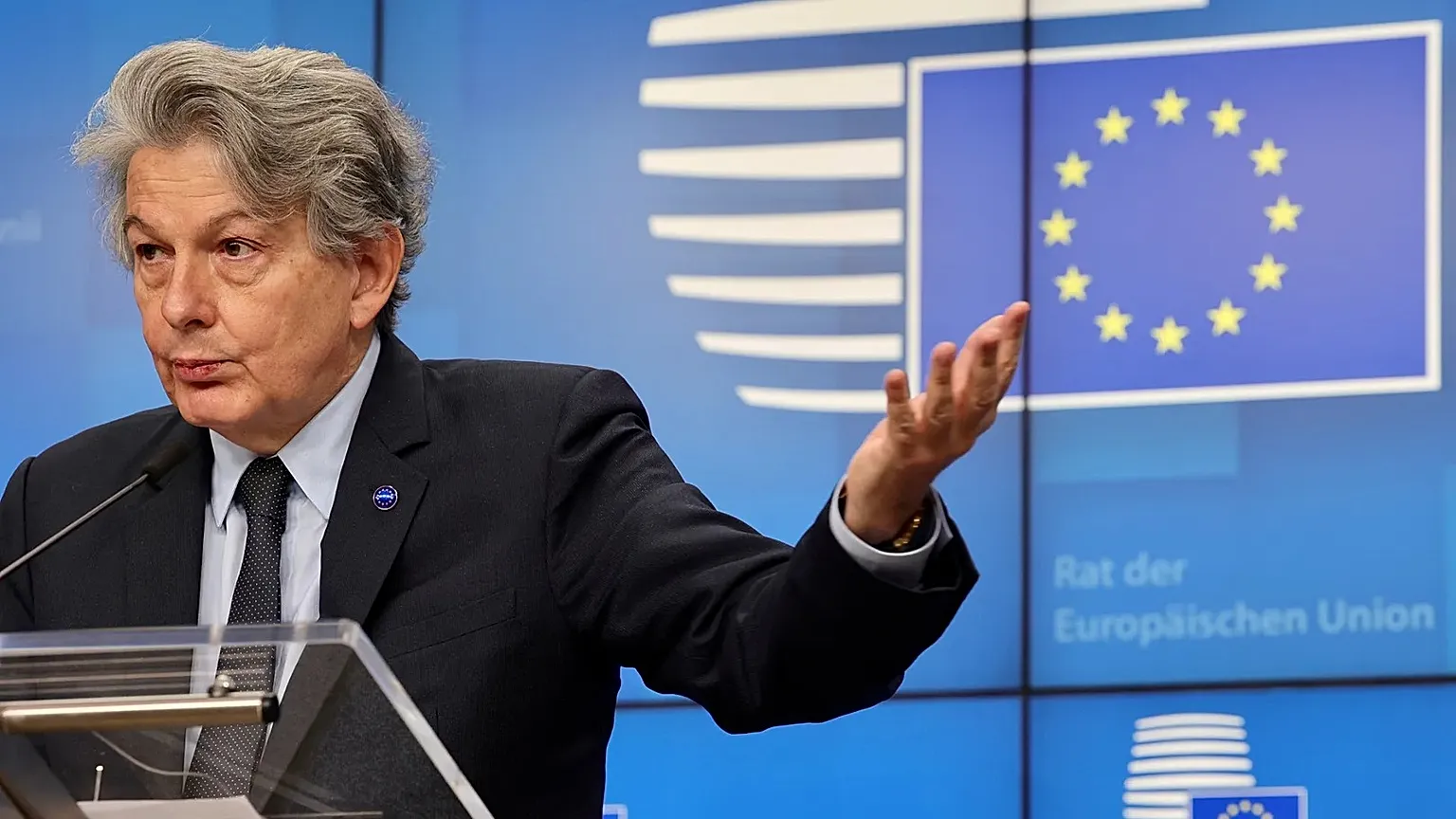
Photo: Euronews.com
U.S. Imposes Visa Restrictions
The Trump administration has imposed visa bans on Thierry Breton, former European Union commissioner and architect of the Digital Services Act (DSA), along with four anti-disinformation campaigners, citing allegations of censorship targeting U.S. social media platforms.
Secretary of State Marco Rubio described the individuals as “agents of the global censorship-industrial complex” who coerced American platforms to suppress viewpoints they opposed. He added that restricting their entry was necessary due to “potentially serious adverse foreign policy consequences.”
Breton Pushes Back
Breton, who served as EU commissioner from 2019 to 2024, rejected the claims, calling the U.S. action a “witch hunt.” On X, he highlighted that the DSA was approved unanimously by all 27 EU member states and supported by 90% of the European Parliament. “Censorship isn’t where you think it is,” he wrote, emphasizing the EU’s commitment to democratic processes and free speech.
The Digital Services Act, which obliges tech giants like Google and Meta to tackle illegal content or face significant fines, has been a cornerstone of Europe’s efforts to regulate Big Tech while protecting user rights.
European Leaders Condemn the Move
The European Commission called the visa ban “strongly condemnable,” reaffirming freedom of expression as a shared democratic value with the United States. EU President Ursula von der Leyen described free speech as the foundation of a “strong and vibrant European democracy,” pledging to protect it.
French President Emmanuel Macron labeled the U.S. sanctions as “intimidation and coercion,” warning that such measures undermine European digital sovereignty. He emphasized that the DSA targets illegal content broadly and is not aimed at any specific country.
Anti-Disinformation Activists Also Affected
Among those sanctioned were Josephine Ballon and Anna-Lena von Hodenberg, leaders of Germany’s anti-disinformation NGO HateAid, involved in advising the EU on digital safety. U.S. authorities argue that such laws, including the EU’s DSA and the U.K.’s Online Safety Act, are being applied extraterritorially, potentially affecting Americans’ speech on U.S.-based platforms.
The European bloc maintains that these regulations are necessary to ensure a safe, fair, and accountable digital environment while balancing corporate responsibility and citizen rights.
Wider Implications
The U.S. action underscores ongoing tension between Washington and Brussels over internet governance, Big Tech regulation, and the extraterritorial reach of legislation. As debates intensify, the incident highlights the challenge of navigating global digital rules while safeguarding national sovereignty and freedom of expression.


.png)