Graze — The Startup Making Healthy Snacking a Data-Driven Business
How a UK snack startup scaled subscription boxes into a mainstream retail brand
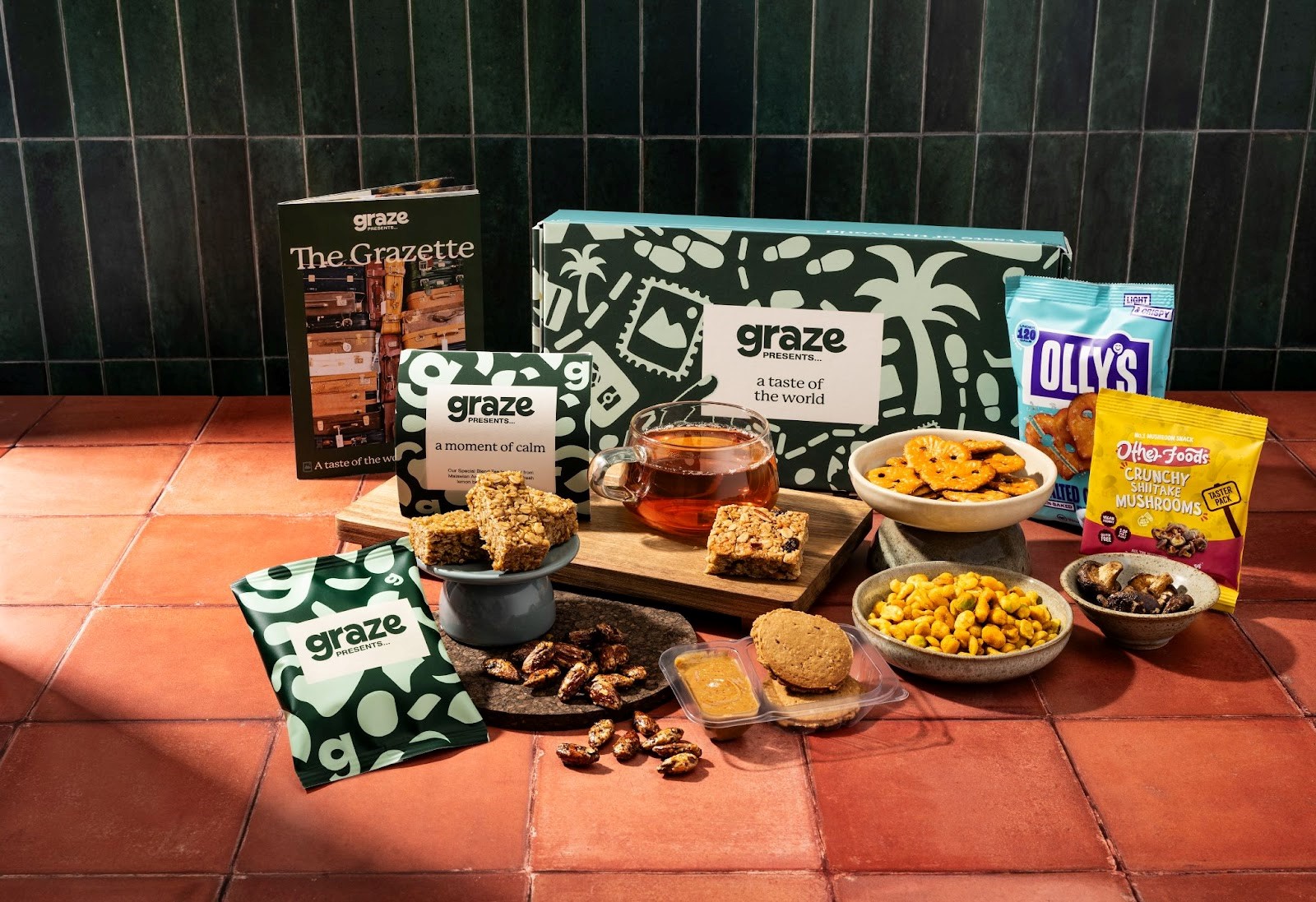
Graze – Reinventing Everyday Snacking
Founded in 2007, Graze is a UK-based food startup that built its early success around personalized snack subscription boxes. The company delivers curated combinations of nuts, seeds, fruits, and healthier snacks designed to make snacking more nutritious and convenient.
Graze’s core idea was simple but powerful: use data and personalization to replace generic snacks with healthier, preference-based options delivered directly to consumers.
Founding Story
Graze was founded by Graham Bosher and a group of entrepreneurs with backgrounds in tech and media. The early inspiration came from combining two growing trends: online subscriptions and healthier eating habits.
Instead of building a traditional food brand, the founders approached Graze like a tech company. They focused heavily on personalization, building systems that could learn user preferences and adjust snack recommendations over time.
The startup quickly gained traction in the UK by offering convenient “letterbox-friendly” snack boxes that fit directly through mail slots, making delivery frictionless.
Funding and Growth Milestones
Graze scaled through a mix of venture funding, retail expansion, and international growth:
- 2007–2008: Founded and launched first subscription snack boxes in the UK
- 2012: Expanded production capacity and automated fulfillment systems
- 2013: Entered the U.S. market, beginning international expansion
- 2014–2015: Rapid revenue growth driven by subscription model adoption in the UK and US
- 2019: Acquired by Unilever for an estimated £150M as part of its health-focused food strategy
- 2020–2023: Expanded retail presence in supermarkets across the UK, reducing reliance on subscriptions
- 2024: Ended its classic subscription box model and pivoted toward retail distribution
Graze evolved from a direct-to-consumer startup into a mainstream packaged snack brand.
Business Model and Technology
Graze’s model blended food production with data-driven personalization:
- Subscription Model (Early Phase): Personalized snack boxes delivered weekly or monthly
- Retail Expansion: Supermarket distribution across the UK and select international markets
- Data Engine: Algorithms tracked taste preferences and feedback to optimize snack selection
- Product Range: Nuts, seeds, dried fruits, protein snacks, and flavor-combination mixes
- B2C + Retail Hybrid: Shifted from pure subscription to mass retail sales over time
At its core, Graze functioned like a consumer tech company operating in the food sector.
Market Impact
Graze helped shape several major consumer trends:
- Subscription Economy Growth: One of the early UK brands proving subscription food models could scale
- Healthy Snacking Movement: Popularized portion-controlled, nutrient-focused snack packs
- Retail Transformation: Showed how DTC brands can successfully transition into supermarkets
- Data-Driven Food Personalization: Early example of using algorithms in consumer packaged goods
Graze influenced later food startups that combined wellness, convenience, and e-commerce.
Challenges and Controversies
Despite early success, Graze faced structural challenges:
- High Logistics Costs: Subscription fulfillment and delivery became expensive at scale
- Market Competition: Supermarket private labels and snack brands increased pressure
- Model Shift Complexity: Transition from subscription to retail reduced personalization advantage
- Corporate Integration: Post-acquisition by Unilever, innovation pace slowed due to large-company structure
These challenges ultimately led to strategic repositioning and changes in its core business model.
Future Outlook
Graze is now focused on strengthening its retail and packaged goods presence:
- Retail Expansion: Increasing shelf presence in supermarkets and convenience stores
- Brand Reinvention: Positioning as a mainstream healthy snack brand rather than a subscription service
- Product Innovation: New snack formats, flavors, and health-focused ranges
- Ownership Transition: Recent ownership changes may bring renewed restructuring and brand repositioning
The brand’s future depends on balancing scale with the original health-driven identity.
From a UK subscription startup to a globally recognized snack brand, Graze shows how data and personalization can reshape everyday consumer products. While its business model has evolved significantly, its early impact on healthy snacking and subscription commerce remains influential.
Graze’s journey highlights a common startup reality: innovation often starts with disruption, but long-term success depends on adaptability at scale.