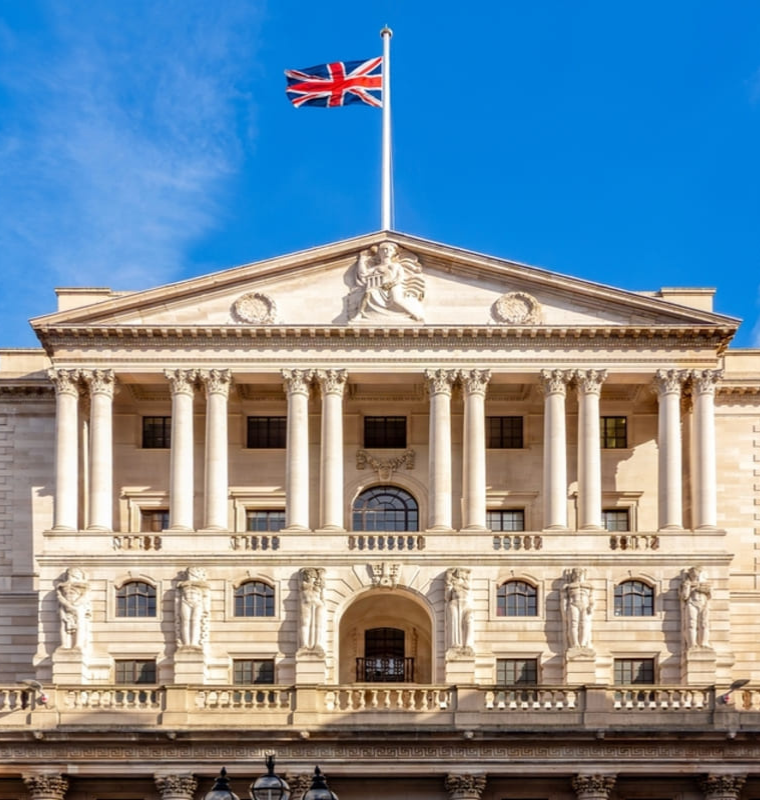
Iran Crisis Escalates as U.S. and Israel Strike Tehran Supreme Leader
Global markets react sharply to escalating Middle East tensions while world powers weigh responses and the region braces for further conflict
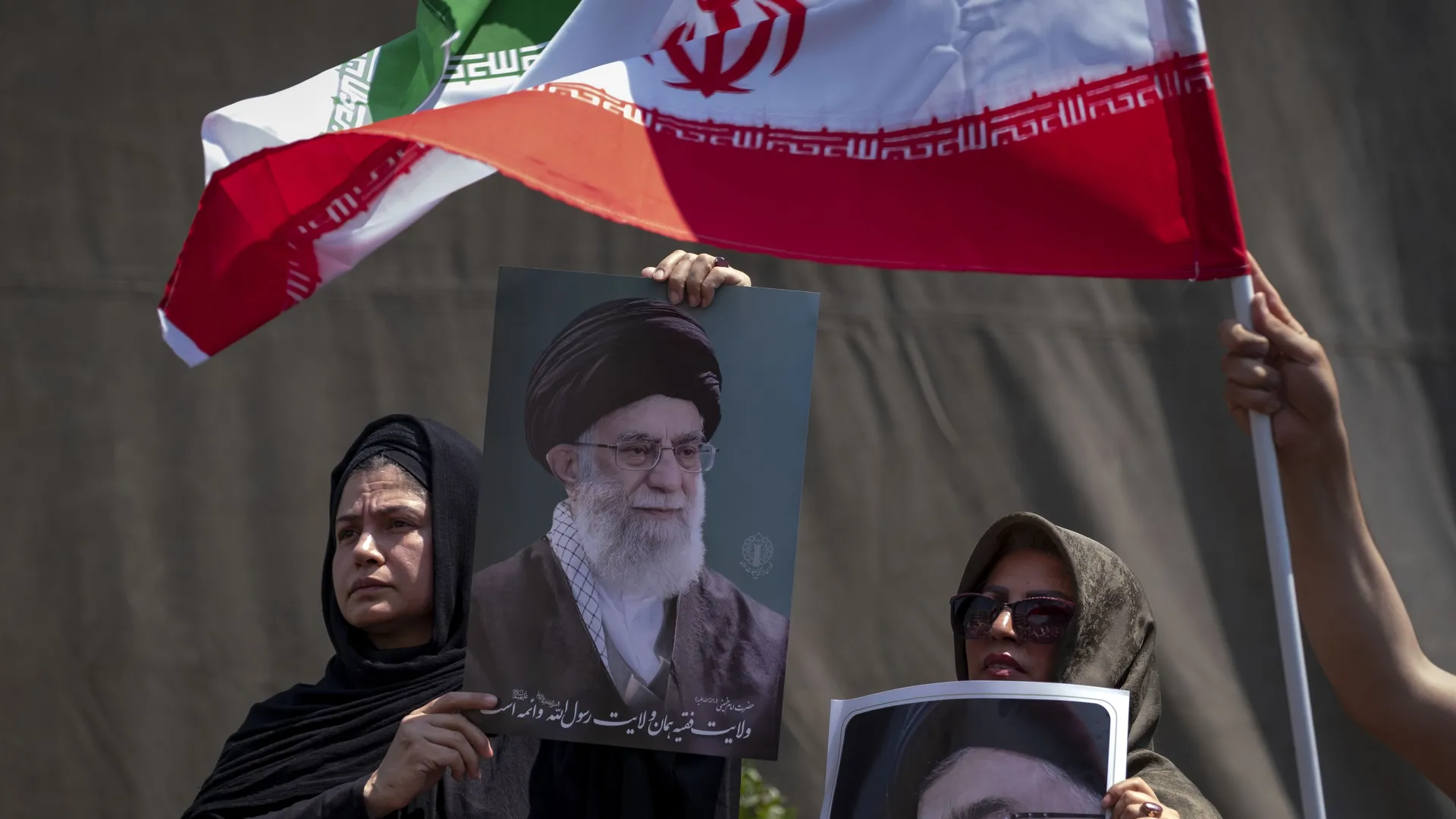
Photo: Axios
Escalating Conflict After U.S.-Israel Strikes
The U.S. and Israel launched coordinated attacks on Iran on Saturday, resulting in the death of Iran’s Supreme Leader, Ayatollah Ali Khamenei. The strikes, which mark a dramatic escalation in the Middle East, have triggered immediate retaliation from Tehran, targeting U.S. and Israeli interests across the Gulf.
Iran responded with missile and drone attacks on military bases in the United Arab Emirates, Qatar, Kuwait, and Saudi Arabia. Civilian infrastructure has also been hit, including Dubai’s Fairmont The Palm and Dubai International Airport. Iranian state media reports that over 200 Iranians have been killed so far, while the U.S. military confirmed three service members dead and five seriously wounded.
Khamenei’s death raises questions about Iran’s political succession. A temporary council including President Masoud Pezeshkian, the judiciary head, and a Guardians Council member has assumed leadership duties, but the long-term leadership remains uncertain.
Market Turbulence and Safe-Haven Assets
Financial markets reacted sharply as concerns of a protracted conflict rattled investors. U.S. crude surged 8% to $72.57 per barrel, while Brent crude climbed about 9% to $79.41 before trimming gains. Precious metals rose around 2% as investors sought safe-haven assets, with gold and silver seeing notable inflows.
Equities pulled back across the globe. U.S. futures fell sharply, with Dow Jones contracts down 521 points, S&P 500 down 1%, and Nasdaq 100 losing over 1%. Asian markets also retreated: Japan’s Nikkei 225 dropped 1.2%, Hong Kong’s Hang Seng fell 1.15%, and China’s CSI 300 lost 0.25%. Australia’s S&P/ASX 200 declined 0.48%. The U.S. dollar index strengthened 0.26% to 97.863, while the 10-year Treasury yield held steady near 3.97%.
Political Statements and Conflicting Positions
U.S. President Donald Trump indicated that the conflict could last up to four weeks, warning of additional American casualties. He also suggested that Iran’s new leadership expressed a willingness to resume talks, though no specific timeline was confirmed.
Iran, however, has rejected negotiations. Ali Larijani, security chief and former adviser to Khamenei, declared on X that Tehran will not engage in discussions with the U.S., closing the door on diplomatic solutions in the short term.
Legal and congressional concerns have also emerged. Analysts warn that the U.S. strikes, conducted without Congressional authorization, may lack a clear constitutional basis, raising questions about long-term repercussions for U.S. forces and policy in the region.
Global Responses
International reactions have been divided:
- China condemned the attacks, calling the killing of Khamenei unacceptable and urging an immediate ceasefire and return to dialogue.
- Russia expressed condolences and labeled the strikes as a violation of international law, calling for a diplomatic resolution.
- Gulf States aligned with the U.S., pledging to defend sovereignty and maintain stability in the region.
- European Union voiced cautious support, emphasizing the need for a credible transition in Iran.
- United Kingdom refrained from direct involvement but allowed U.S. defensive strikes from British bases.
- Australia and Canada publicly backed U.S. actions, citing the prevention of nuclear escalation and regional destabilization.
What Comes Next
As the conflict enters its third day, analysts warn of heightened volatility across oil, metals, and equities markets. The uncertain succession in Tehran, coupled with retaliatory strikes and potential escalation, could disrupt global energy supplies and trigger further market instability.
For investors and policymakers alike, the coming weeks will test the resilience of international diplomacy, regional security, and financial markets, highlighting the interconnected risks of geopolitical shocks in a highly globalized economy.