Jamie Dimon Breaks Corporate Silence With Blunt Critique of Trump’s Immigration Crackdown
JPMorgan chief backs border control but warns enforcement tactics risk hurting workers, businesses, and America’s growth engine
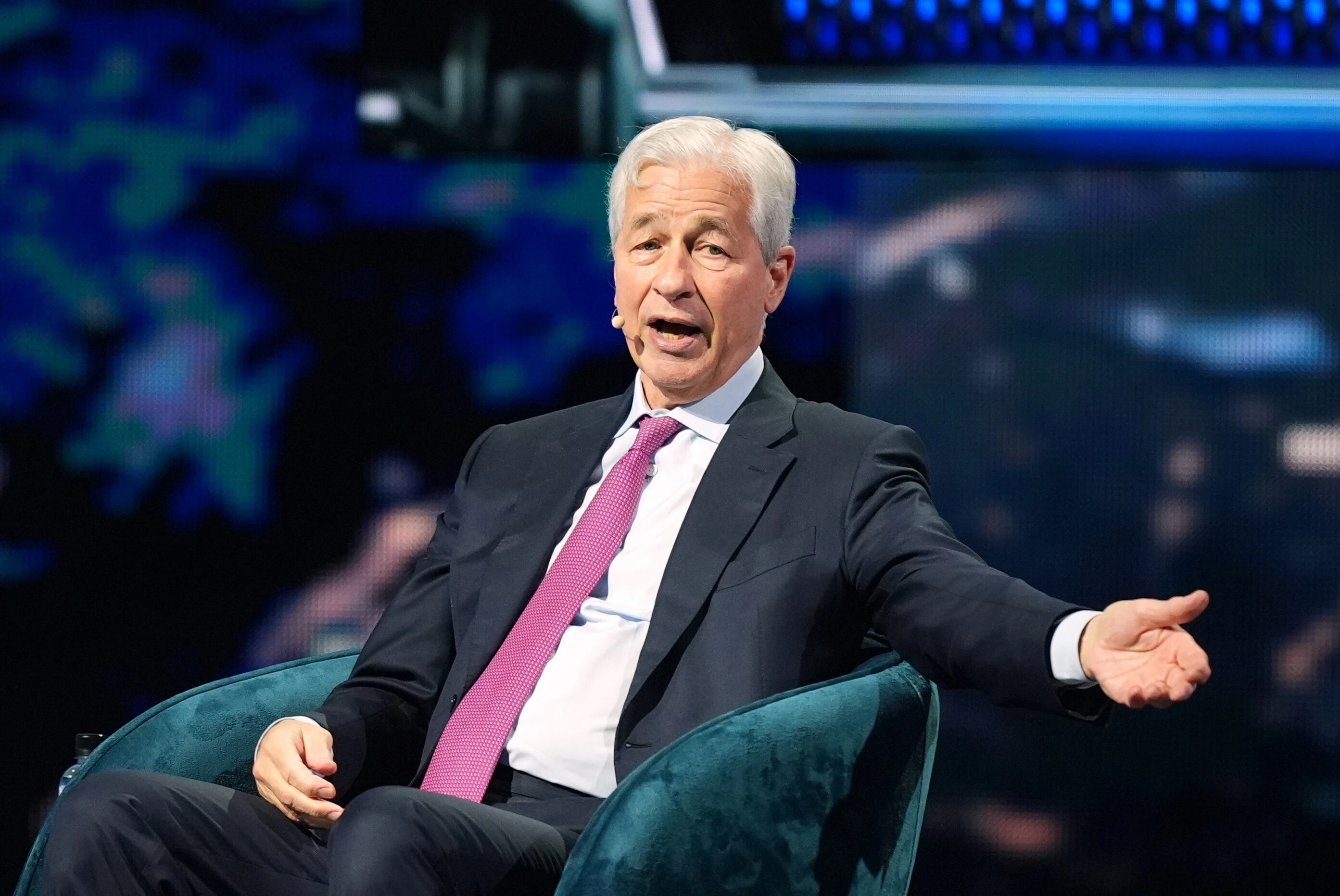
Photo: Mint
A rare public rebuke from Wall Street’s most powerful CEO
JPMorgan Chase CEO Jamie Dimon delivered an unusually direct public critique of President Donald Trump’s immigration policies, breaking from the broader pattern of restraint shown by U.S. corporate leaders during Trump’s second term. Speaking at the World Economic Forum in Davos, Dimon made clear that while he supports strong borders, he is deeply uncomfortable with how immigration enforcement is being carried out.
His remarks stood out not only because of their substance, but because Dimon leads the world’s largest bank by market capitalization and is widely viewed as one of the most influential voices in corporate America.
Support for border security, concern over enforcement
Dimon acknowledged progress on border control, noting that illegal crossings at the U.S.–Mexico border have dropped to their lowest level in roughly five decades between October 2024 and September 2025, according to federal data cited by international media. That sharp decline has been a cornerstone of the Trump administration’s immigration narrative.
However, Dimon drew a clear line between border enforcement and domestic immigration raids. He expressed concern about footage showing aggressive actions by immigration authorities during arrests of people suspected of being undocumented.
He said the country needs to lower the emotional temperature around immigration and ensure enforcement is carried out humanely, adding that scenes of excessive force undermine public trust and social cohesion.
Trump’s second-term immigration overhaul
Since returning to office, Trump has moved quickly to reshape U.S. immigration policy. His administration has expanded funding for Immigration and Customs Enforcement, tightened access to asylum, and prioritized large-scale deportations. It also rolled back long-standing guidance on so-called sensitive locations, allowing enforcement actions at places such as schools, hospitals, and religious institutions.
Supporters argue the measures restore law and order. Critics, including immigration advocates and some business leaders, warn they create fear among workers and disrupt key industries that rely heavily on immigrant labor.
Business leaders largely stay quiet
Dimon’s comments are notable because most American CEOs have avoided openly criticizing Trump’s policies this time around. Analysts say many executives are wary of political retaliation, pointing to the administration’s legal actions against media companies, universities, and law firms.
Instead, corporate leaders have largely opted for behind-the-scenes engagement with the White House. Dimon’s willingness to speak publicly highlights both his stature and his long-standing belief that immigration is central to U.S. economic competitiveness.
Who is being targeted matters, Dimon says
During the Davos discussion, Dimon questioned who exactly is being swept up in immigration raids. He said policymakers need to be clear about whether those detained are violent criminals or law-abiding workers who contribute to the economy.
He emphasized that immigrants are deeply embedded in essential sectors, including healthcare, hospitality, agriculture, and food services. According to industry estimates, immigrants make up more than 25% of workers in U.S. farming and hospitality and a significant share of healthcare support staff.
“We need these people,” Dimon said, stressing that many are productive members of society who deserve to be treated with dignity.
A long-standing push for immigration reform
Dimon has consistently argued that immigration reform is one of the most effective ways to boost long-term U.S. economic growth. In annual shareholder letters and public interviews over the past decade, he has called for a modernized system that expands legal pathways to work and citizenship.
He has previously supported a merit-based green card system, legal status for people brought to the U.S. as children, and more flexible rules around high-skilled visas such as the H-1B program, which many technology and financial firms rely on.
At Davos, Dimon urged Trump to pair strict border control with pathways to citizenship for long-term, law-abiding workers and a fair asylum process. He suggested that having stabilized the border, the administration now has political room to pursue more balanced reforms.
“A climate of fear” in corporate America
During the discussion, The Economist’s editor-in-chief Zanny Minton Beddoes remarked that she was struck by how cautious American CEOs have been when discussing Trump, describing what she sees as a broader climate of fear.
Dimon pushed back on that characterization, saying he has been clear about his disagreements with the administration on issues including immigration, tariffs, and relations with European allies. Still, his comments underscored how unusual it has become for top executives to voice dissent openly.
Economic stakes extend beyond politics
Dimon’s intervention reflects growing concern among business leaders that aggressive immigration enforcement could worsen labor shortages, push up costs, and slow economic growth. With the U.S. unemployment rate already low and sectors like healthcare and construction struggling to hire, many economists warn that restricting immigrant labor could become a drag on productivity.
By speaking out, Dimon reinforced a message he has repeated for years: border security and economic pragmatism do not have to be mutually exclusive. The challenge, he argues, is finding an approach that enforces the law while preserving the workforce that underpins large parts of the American economy.


.png)