OpenAI Introduces Age Detection System for ChatGPT Users
New AI model aims to better protect minors by automatically adjusting content and safety settings
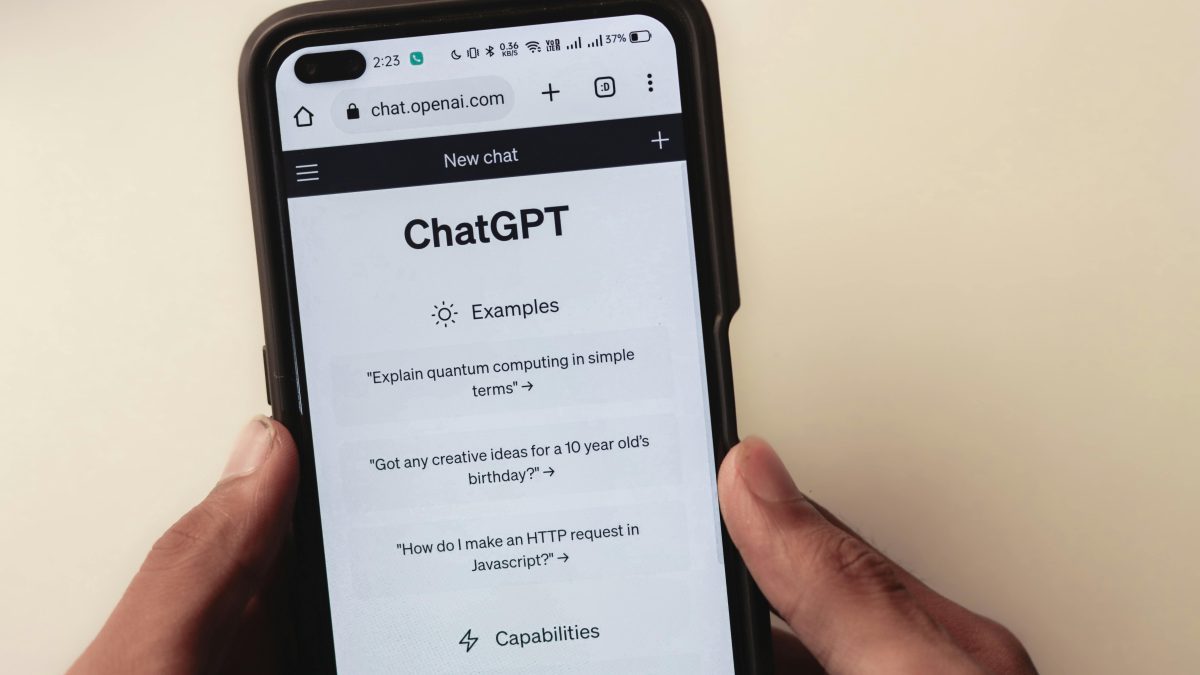
Photo: The Morning News
OpenAI has begun rolling out a new age prediction system across its consumer ChatGPT plans, marking a significant step in the company’s effort to strengthen protections for younger users. The initiative is designed to help identify accounts likely operated by users under the age of 18 and automatically apply safeguards tailored for minors.
The move comes as artificial intelligence platforms face growing regulatory, legal, and public scrutiny over how effectively they protect children and teenagers in digital environments.
How the age prediction model works
According to OpenAI, the new system does not rely on a single data point. Instead, it uses a combination of account-level and behavioral signals to estimate whether a user is likely under 18. These signals include how long an account has existed, patterns of usage over time, typical hours of activity, interaction styles, and the age information users provide during signup or account use.
By analyzing multiple indicators rather than a single declaration, OpenAI aims to reduce reliance on self-reported age, which has long been a weak point across online platforms. The company says this layered approach is intended to improve accuracy while minimizing unnecessary friction for adult users.
Automatic safeguards for younger users
When the system flags an account as likely belonging to a minor, ChatGPT will automatically activate additional protections. These include measures to reduce exposure to sensitive or age-inappropriate material, particularly content categories that require greater caution for younger audiences.
OpenAI has emphasized that these protections are applied dynamically and are meant to prioritize user safety rather than restrict access arbitrarily. The company says the goal is to create an experience that is more appropriate for teens without fully blocking access to the platform’s educational and creative capabilities.
Correcting mistakes through verification
OpenAI acknowledges that no prediction system is perfect. If an adult user is incorrectly identified as being under 18, the company allows them to restore full access through identity verification.
To do this, OpenAI is using Persona, a third-party identity verification service already deployed by several major technology platforms. Companies such as Roblox have also adopted Persona as part of their efforts to comply with child safety expectations while maintaining user privacy.
Rising pressure on AI platforms
The rollout of the age prediction model follows a series of safety-focused updates introduced by OpenAI over recent months. These changes come as regulators and lawmakers intensify oversight of AI tools, particularly regarding their impact on children and adolescents.
In the United States, the Federal Trade Commission has launched inquiries into how AI chatbots may affect younger users. At the same time, OpenAI and other technology companies are facing legal challenges that have increased public attention on platform responsibility and risk mitigation.
In response, OpenAI has positioned safety as a core product priority, rather than an add-on feature.
Parental controls and expert oversight
OpenAI’s age detection system builds on earlier initiatives aimed at families. In August, the company announced plans to introduce parental controls that would allow parents and guardians to better understand and guide how their teens use ChatGPT. These controls were rolled out the following month, alongside early disclosures about the development of age prediction technology.
In October, OpenAI also convened an external advisory council made up of eight experts in psychology, mental health, and child development. The group is tasked with advising the company on how AI systems can influence users’ emotions, motivation, and overall well-being, particularly among younger demographics.
Gradual rollout and regional compliance
OpenAI said the age prediction model will be introduced gradually, with an initial rollout in the European Union planned for the coming weeks. The company noted that the phased approach is intended to ensure compliance with regional data protection and child safety regulations, including stricter requirements in Europe.
Over time, OpenAI plans to continue refining the system, improving accuracy and reducing false positives as more data and feedback become available.
A broader shift in AI responsibility
The introduction of age prediction technology highlights a broader shift across the AI industry. As generative AI tools become more mainstream, companies are being pushed to demonstrate that innovation can coexist with robust safeguards, particularly for vulnerable users.
For OpenAI, the new system represents both a technical and strategic response to that challenge, signaling that user safety, especially for minors, is becoming a defining factor in how consumer AI products are built and governed.



.png)