Sri Lanka Introduces Digital Nomad Visa Offering Remote Workers a Tropical Work-from-Home Option
New program allows foreign professionals to live, work, and explore Sri Lanka with annual renewable permits
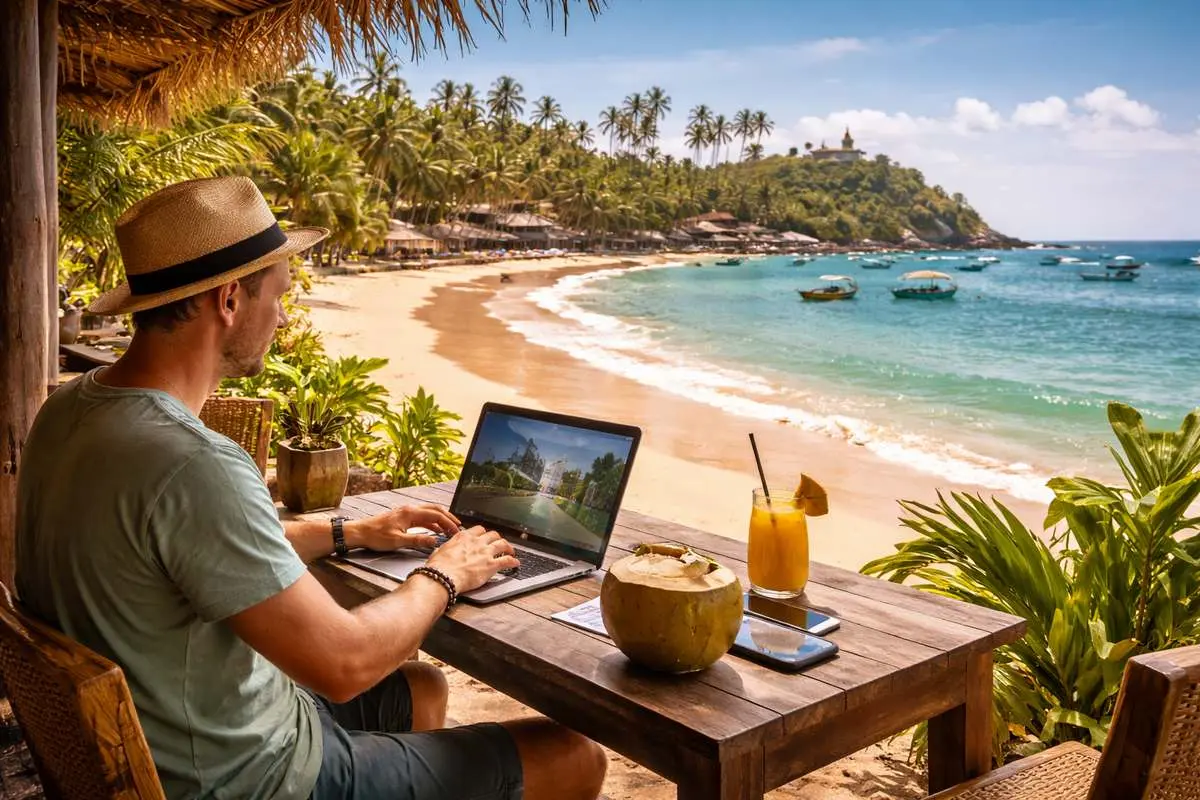
Sri Lanka has officially launched a Sri Lanka digital nomad visa program as of February 2026, aiming to attract remote workers, freelancers, and foreign entrepreneurs to live and work from the island while serving clients or companies based outside the country. The initiative is part of a broader effort to boost tourism, co-working sectors, and economic activity.
Eligibility Requirements
Applicants for the visa must meet several criteria to qualify:
- Be employed by a company headquartered outside Sri Lanka, work as a freelancer, or own a business not registered locally.
- Demonstrate a minimum monthly income of $2,000 USD, increasing by $500 for each dependent beyond two. Proof of income is required.
- Maintain valid health insurance and suitable accommodations for the duration of the stay.
- Provide a clean criminal record from their home country and agree to refrain from political or disruptive activities.
The application fee is $500 per person. Once approved, the visa endorsement is stamped on the passport and is renewable annually. After the first year, applicants must submit proof of Sri Lankan tax registration.
Benefits for Visa Holders
Holders of the digital nomad visa can:
- Open personal bank accounts in Sri Lanka.
- Enroll dependent children in international or private schools.
- Participate in co-working spaces and government or private-sector tourism events.
Any changes in employment, income, or dependents must be reported to the Department of Immigration and Emigration within 30 days to maintain visa compliance.
Global Rise of Digital Nomad Visas
The popularity of digital nomad visas has surged since the Covid-19 pandemic, with more than 50 countries and regions offering programs by 2025. Europe and Asia have led this trend, with countries like Italy, Bulgaria, and Spain providing remote work permits ranging from six months to one year.
Sri Lanka’s program is comparable to these offerings, combining flexibility with access to a tropical environment, modern amenities, and growing infrastructure for remote work.
Tax and Legal Considerations
While the visa allows for extended stays in Sri Lanka, applicants must remain aware of tax obligations in their home countries. For example, U.S. citizens earning above the minimum income threshold are still required to file annual federal tax returns, regardless of their location abroad.
With its scenic beaches, historic cities, and expanding remote-work infrastructure, Sri Lanka positions itself as an attractive destination for digital nomads seeking both lifestyle and productivity opportunities.