U.S. Signals Long-Term “Toll-Free” Strait of Hormuz as Shipping Industry Warns Risks Remain High
Washington expects smoother long-term access through key global oil chokepoint, but shipping firms caution that uncertainty and security risks are still limiting vessel movement

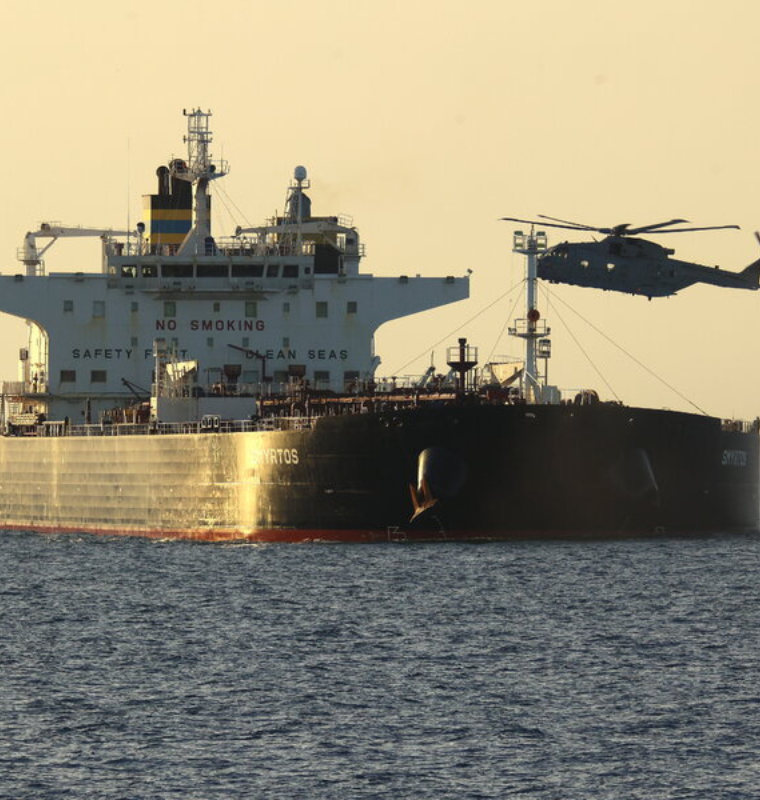
Getty Images
The United States expects the Strait of Hormuz, one of the world’s most critical energy shipping routes, to operate on a long-term “toll-free” basis following ongoing diplomatic negotiations with Iran, according to comments from Vice President JD Vance.
The remarks highlight optimism from Washington that the strategic waterway could stabilize after months of geopolitical tension. However, shipping companies and maritime security experts are warning that operational clarity remains limited, and risks for commercial vessels remain elevated.
The Strait of Hormuz, through which roughly a fifth of global oil supplies pass, has once again become a focal point for energy markets, global shipping routes, and geopolitical negotiations.
U.S. Expects Long-Term Stability but Negotiations Still Ongoing
Speaking to CNBC, Vice President JD Vance said the United States expects the Strait of Hormuz to eventually reopen without transit fees or restrictions as part of a broader long-term arrangement.
He emphasized that while the political direction is becoming clearer, detailed technical negotiations are still underway to determine how the agreement will function in practice.
The proposed framework is expected to involve:
- Long-term toll-free transit arrangements
- Defined maritime security protocols
- Joint oversight mechanisms involving regional stakeholders
- Gradual normalization of commercial shipping flows
Despite these expectations, Vance noted that several operational questions remain unresolved, particularly around enforcement, monitoring, and maritime safety.
Iran Signals Temporary Toll-Free Transit Window
Iranian state media has indicated that the Strait of Hormuz would initially be opened for toll-free passage for a limited period of approximately 60 days.
After that period, reports suggest the waterway could be managed under a framework involving Iran and Oman, although the exact structure of that arrangement has not been finalized.
The temporary nature of the arrangement has added uncertainty for global shipping operators, many of whom require long-term clarity before rerouting vessels or resuming full transit activity through the region.
Shipping Industry Warns Conditions Remain Risky
Despite diplomatic progress, global maritime organizations are urging caution.
The global shipping association BIMCO has described the current environment as “very risky,” citing insufficient clarity around safety protocols, timing, and enforcement mechanisms.
Industry experts point to several ongoing concerns:
- Unclear security guarantees for commercial vessels
- Potential presence of naval mines in key transit lanes
- Lack of standardized operational protocols
- Limited visibility on enforcement authority
- Ongoing geopolitical volatility in the region
According to BIMCO officials, the absence of detailed, binding agreements makes it difficult for shipping companies to resume normal operations at scale.
The organization emphasized that past reassurances in similar situations have often proven overly optimistic, reinforcing caution among global operators.
Limited Recovery in Shipping Traffic So Far
Early data from shipping trackers suggests that vessel movement through the Strait of Hormuz has not yet significantly normalized.
While some minor increases in transits have been observed in recent days, there has been no substantial surge in traffic or large-scale movement of vessels exiting or re-entering the Persian Gulf.
Maritime analysts say this indicates that shipping companies are still waiting for clearer guarantees before resuming full-scale operations.
In many cases, vessels remain either anchored in the region or rerouted through alternative shipping schedules pending further clarity on security conditions.
Oil Tanker Operators Expect Gradual Normalization
Major tanker operators believe that shipping activity could accelerate once formal agreements are finalized and clearly communicated.
Executives in the oil transportation sector suggest that once legal and security frameworks are confirmed, vessel movement could resume quickly due to strong underlying demand for Gulf energy exports.
However, operators also acknowledge that rebuilding confidence will take time, particularly for companies with vessels currently trapped or delayed in the region.
Several shipping firms report that ships are still waiting inside the Persian Gulf, unable to transit freely until safety conditions improve.
Security Risks Continue to Shape Market Behavior
One of the most significant concerns for maritime operators remains the potential presence of naval mines and other security threats in critical passageways.
Security analysts warn that even a small perceived risk can significantly disrupt global energy logistics, as insurance costs, route planning, and freight rates are highly sensitive to geopolitical instability.
Higher shipping risk premiums typically translate into:
- Increased global oil transport costs
- Higher insurance rates for vessels
- Delays in energy supply chains
- Volatility in crude oil pricing
This means that even partial reopening of the Strait may not immediately restore normal shipping economics.
Oil Markets Watching Closely for Supply Stability
The Strait of Hormuz handles a substantial share of global seaborne oil exports, making it one of the most strategically important energy corridors in the world.
Any disruption or reopening of the passage has immediate implications for:
- Global crude oil prices
- LNG shipping flows
- Refining supply chains in Asia and Europe
- Energy import costs for major economies
Energy market analysts note that while diplomatic progress has reduced immediate fears of supply disruption, full market normalization will depend on sustained stability in shipping operations.
Mixed Signals from Tracking Data and Industry Reports
Shipping intelligence firms have reported that vessel tracking data does not yet show a significant structural shift in maritime traffic patterns.
According to industry monitoring, there is no clear evidence that the announcement of a potential agreement has led to a rapid restoration of normal shipping volumes.
This suggests that market participants are still operating in a wait-and-see mode, prioritizing risk assessment over immediate operational changes.
The Bigger Picture
The evolving situation around the Strait of Hormuz reflects the delicate balance between geopolitical negotiations and global energy security.
While U.S. officials express confidence that the waterway will eventually operate under a long-term toll-free framework, shipping companies and maritime analysts continue to highlight significant unresolved risks.
For now, global trade flows remain partially constrained, with energy markets closely watching for clearer agreements that can restore full confidence in one of the world’s most important shipping corridors.