Bird — The Startup Revolutionizing Urban Mobility with Electric Scooters
How a U.S. transportation startup is reshaping city travel and micro-mobility
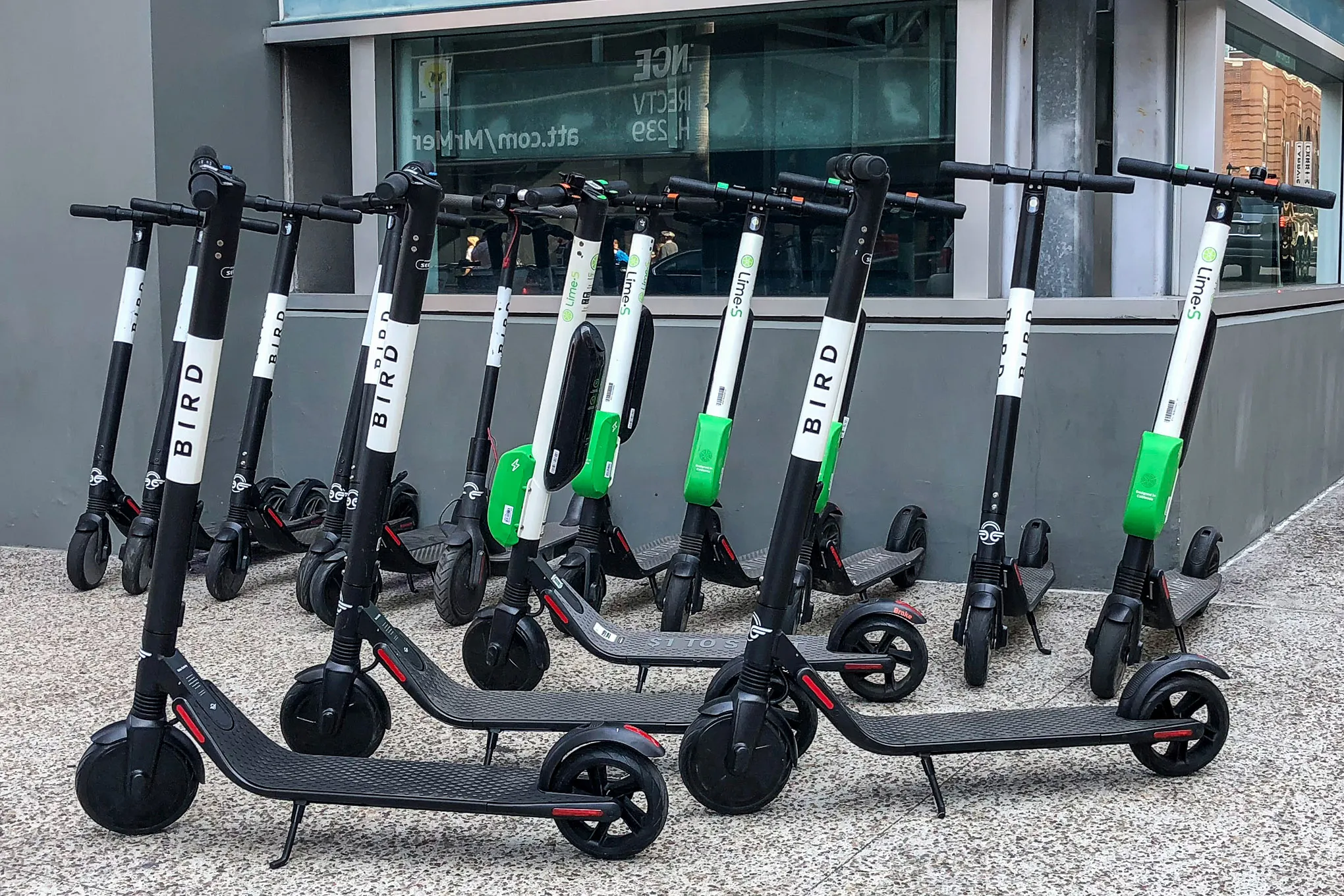
Bird – The Future of Short-Distance Travel
Founded in 2017, Bird is a Los Angeles-based transportation startup providing electric scooters for short-distance urban travel. The company’s goal is to reduce traffic congestion, lower emissions, and make city travel more convenient and sustainable.
Bird’s mission is simple: offer a greener, faster, and more affordable way to move around cities. With its dockless scooters and app-based rental system, Bird has transformed urban mobility, giving commuters a new alternative to cars and public transport.
Founding Story
Bird was founded by Travis VanderZanden, a former executive at Lyft and Uber. Frustrated by urban traffic and pollution, VanderZanden envisioned a fleet of electric scooters available on-demand for city residents.
He noticed the potential for dockless micro-mobility to reduce dependence on cars and quickly assembled a team to launch Bird in Santa Monica, California. The startup began with a few scooters and a simple app, focusing on creating a seamless user experience and expanding rapidly to other cities.
Funding and Growth Milestones
Bird’s growth has been fueled by rapid expansion and venture capital:
- 2017: Launched first pilot fleet in Santa Monica with 100 scooters.
- 2018: Raised $15 million in Series A funding to expand into 20+ U.S. cities.
- 2019: Series C funding of $150 million, expanding internationally to Europe and the Middle East.
- 2020: Reached over 10 million rides per month in more than 100 cities.
- 2021: Raised $275 million in Series E funding, achieving a $2.8 billion valuation.
- 2022: IPO via SPAC merger, making Bird a publicly traded company on NASDAQ.
Bird has become one of the most recognized brands in the micro-mobility industry.
Business Model and Technology
Bird’s business model combines hardware, software, and urban partnerships:
- Scooter Fleet: Electric scooters designed for durability and safety, with GPS and IoT tracking.
- Mobile App: Users locate, unlock, and pay for rides directly through the Bird app.
- Revenue Streams: Pay-per-ride fees, subscription models for frequent riders, and strategic city partnerships.
- B2C Focus: Primarily targets individual commuters, students, and tourists.
- Operations & Maintenance: In-house teams or contractors recharge and maintain scooters daily.
By combining technology with convenience, Bird has scaled rapidly while offering an environmentally friendly alternative to traditional commuting.
Market Impact
Bird has reshaped urban transportation in several ways:
- Reduced Traffic: Encourages short-distance travel by scooter instead of car, lowering congestion.
- Environmental Benefit: Zero-emission rides help cities meet sustainability goals.
- Micro-Mobility Trendsetter: Inspired competitors like Lime, Spin, and Voi to enter the market.
- Global Expansion: Operates in over 100 cities across the U.S., Europe, and the Middle East.
The startup demonstrates how innovative mobility solutions can make urban life more efficient and eco-friendly.
Challenges and Controversies
Bird faces several challenges common to micro-mobility startups:
- Regulation: Navigating city permits, safety regulations, and traffic rules.
- Safety Concerns: Scooter accidents and rider injuries can impact brand perception.
- Operational Costs: Maintenance, recharging, and fleet management are resource-intensive.
- Competition: Increasing competition from other scooter and bike-sharing companies.
VanderZanden and his team address these issues through collaboration with city authorities, improved scooter design, and safety awareness campaigns.
Future Outlook
Bird continues to innovate and expand its services:
- Global Growth: Expanding into new international cities while deepening presence in existing markets.
- Electric Vehicle Ecosystem: Exploring e-bikes and other micro-mobility solutions.
- Sustainability Initiatives: Increasing battery life, recycling programs, and carbon footprint reduction.
- Technology Enhancements: AI-powered fleet management and smarter routing for urban efficiency.
Bird demonstrates how a well-designed micro-mobility solution can solve real urban problems while building a scalable global business.
From a small pilot fleet in Santa Monica to a global micro-mobility leader, Bird shows the power of visionary entrepreneurship. Travis VanderZanden turned a simple idea—electric scooters for urban travel—into a publicly traded company changing how people move in cities. Bird’s story proves that technology, sustainability, and convenience can combine to create a transformative startup that reshapes entire industries.