Chewy — The Startup That Turned Pet Care Into a Billion-Dollar E-Commerce Empire
How Ryan Cohen built a customer-first pet supply platform that reshaped online retail in the U.S.
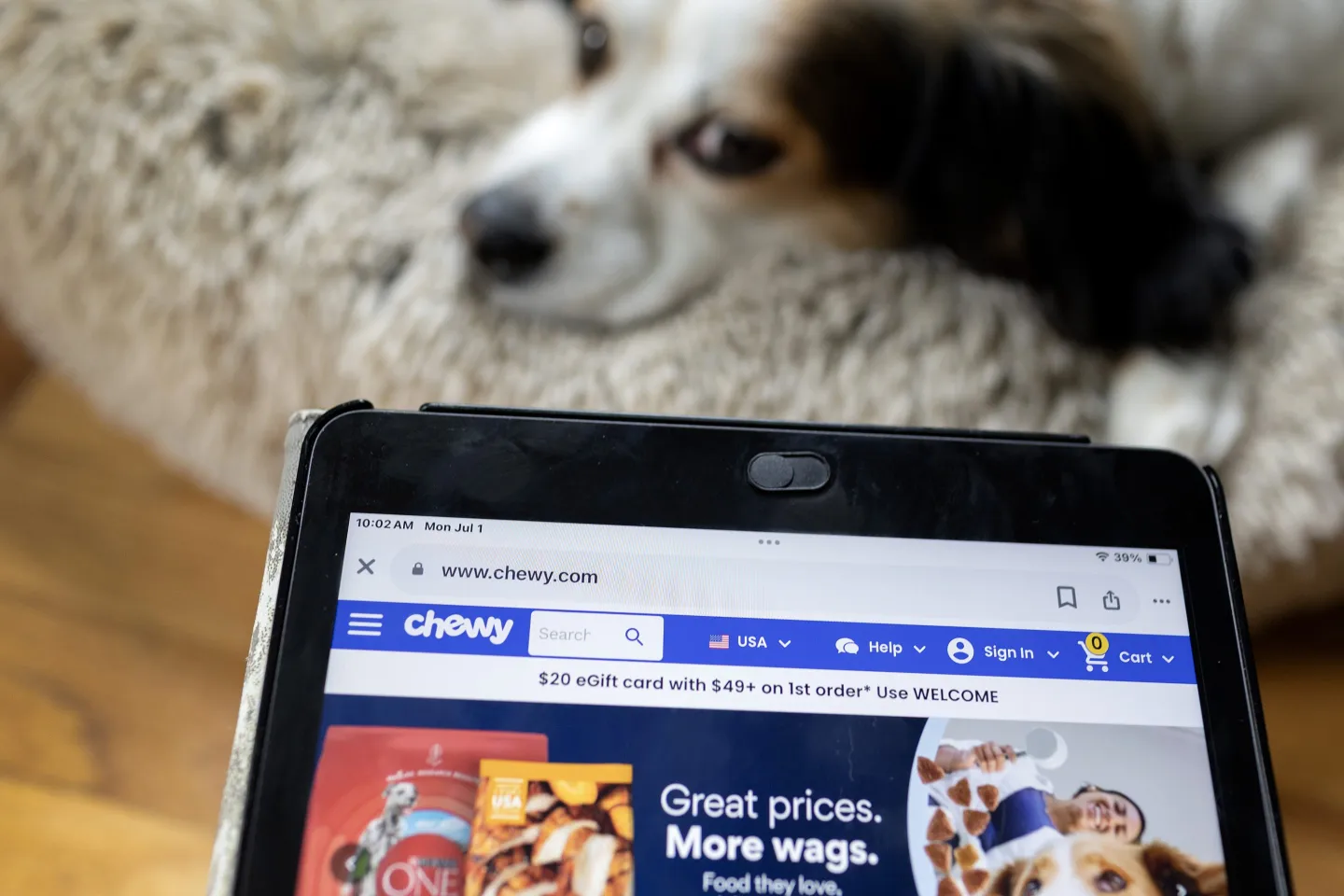
Chewy – Reinventing Pet E-Commerce
Founded in 2011, Chewy is a U.S.-based e-commerce startup specializing in pet food, pet medications, and animal care products. The company built its reputation by focusing heavily on customer experience, fast delivery, and personalized service in an industry that was traditionally dominated by physical retail stores.
Chewy’s mission is centered on one idea: making pet ownership easier and more emotionally supported through a seamless digital shopping experience. It has since grown into one of the largest online pet retailers in the United States, competing directly with major platforms like Amazon and Petco.
Founding Story
Chewy was founded in 2011 by Ryan Cohen and Michael Day. The idea emerged from a simple observation: buying pet food and supplies was inconvenient, repetitive, and time-consuming for millions of pet owners.
Cohen, a lifelong pet lover, believed the experience could be transformed through e-commerce and exceptional customer service. Starting with limited capital and early skepticism from investors, the founders built Chewy as a customer-centric platform where service quality mattered as much as price and product selection.
A key early philosophy was treating customers not as transactions, but as long-term relationships—an approach that would later define the brand.
Funding and Growth Milestones
Chewy’s growth trajectory was unusually fast for an early-stage e-commerce startup:
- 2011: Founded as “Mr. Chewy” with initial bootstrapped capital
- 2013–2015: Rapid expansion driven by strong repeat customers and subscription-style orders
- 2017: Acquired by PetSmart for $3.35 billion, one of the largest e-commerce acquisitions at the time
- 2018: Revenue surpassed $3.5 billion, fueled by recurring “Autoship” subscriptions
- 2019: IPO launched at a valuation of around $14 billion after strong investor demand
- 2020–2024: Expanded into veterinary services, telehealth, and pet healthcare ecosystems, with annual revenues surpassing $11 billion
This rapid scaling demonstrated strong product-market fit in a massive and recurring consumer category: pet care.
Business Model and Technology
Chewy operates as a pure-play digital pet retail ecosystem:
- E-commerce Platform: Offers over 100,000+ pet-related products including food, toys, and medication
- Subscription Engine (Autoship): Encourages recurring deliveries, improving retention and predictable revenue
- Customer Service Model: 24/7 support with highly personalized engagement
- Pet Healthcare Integration: Includes pharmacy services, tele-vet consultations, and wellness plans
- Data-Driven Logistics: Uses behavioral data to optimize delivery timing and inventory planning
The business is built on a high-frequency, repeat-purchase model, which is rare in e-commerce and highly valuable for long-term revenue stability.
Market Impact
Chewy significantly changed how pet care is purchased in the U.S.:
- Shift to Online Pet Retail: Helped accelerate the migration of pet supply purchases from offline stores to digital platforms
- Subscription Economy Growth: Popularized recurring delivery models for essential goods
- Customer Experience Benchmarking: Set new standards for emotional customer service in e-commerce (including personalized notes and pet-focused engagement)
- Market Scale: Became one of the dominant players in a multi-billion-dollar U.S. pet care industry
Its success also validated that emotionally driven retail categories can outperform purely transactional e-commerce models when customer loyalty is strong.
Challenges and Controversies
Like many high-growth startups, Chewy faced several structural challenges:
- Profitability Pressure: Heavy spending on logistics, marketing, and customer service delayed consistent profitability
- Competition: Intense rivalry from Amazon, Petco, and other large retailers entering online pet care
- Margin Constraints: Low-margin retail category requiring scale to maintain efficiency
- Post-Acquisition Complexity: Integration under PetSmart ownership before later separation created operational adjustments
Despite these challenges, Chewy maintained strong customer retention due to its service-focused model.
Future Outlook
Chewy continues to expand beyond retail into a broader pet-care ecosystem:
- Veterinary Clinics: Physical and digital veterinary services under Chewy Vet Care
- Healthcare Expansion: Growth in pet insurance and pharmacy offerings
- International Expansion Potential: Long-term opportunity in global pet ownership markets
- AI-Driven Personalization: Improved product recommendations and predictive autoship systems
- Ecosystem Strategy: Moving from “pet store” to “end-to-end pet care platform”
The company is evolving into a hybrid of e-commerce, healthcare, and subscription services.
Conclusion
From a small startup launched in 2011 to a multi-billion-dollar public company, Chewy shows how customer obsession can become a scalable business advantage.
By combining subscription-based revenue, emotional customer engagement, and deep focus on pet care, Ryan Cohen and his co-founder built a platform that fundamentally changed how pet owners shop and care for their animals. Chewy’s story is a clear example of how even a crowded retail market can be disrupted through execution, loyalty, and service differentiation.