DECIEM — The Startup That Disrupted the Entire Skincare Industry
How a Canadian beauty company built “The Ordinary” and changed how the world buys skincare
DECIEM – The Abnormal Beauty Company
Founded in 2013, DECIEM is a Toronto-based beauty and skincare startup known for reshaping the global cosmetics industry through radical transparency, science-led formulations, and unusually low pricing. The company operates as an “umbrella” brand, housing multiple sub-brands including its most famous label, The Ordinary, alongside NIOD and Hylamide.
DECIEM’s mission is to challenge traditional beauty marketing by stripping away inflated pricing, unnecessary branding, and misleading claims, replacing them with ingredient-focused, clinically inspired skincare accessible to mass consumers.
Founding Story
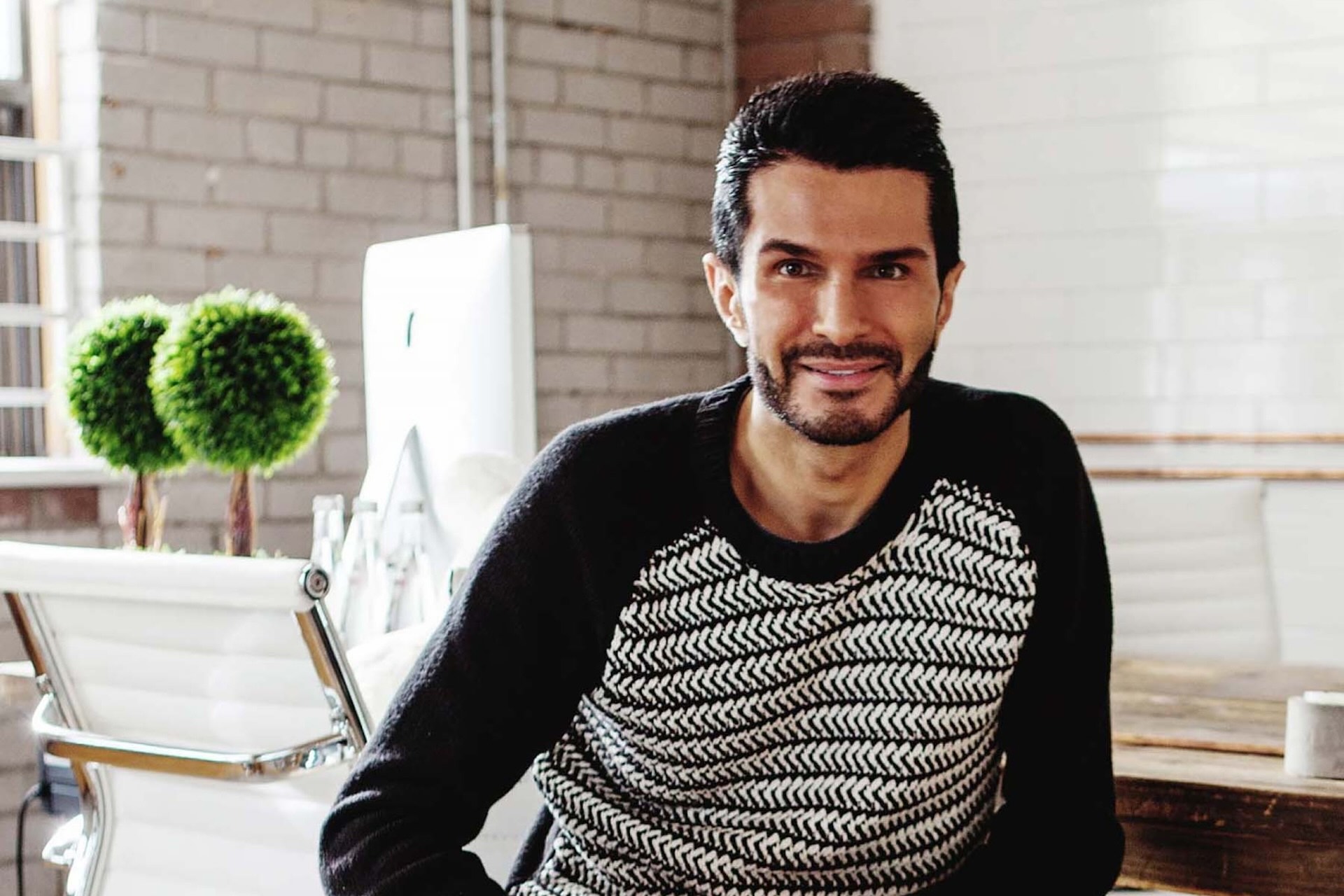
DECIEM was founded by Brandon Truaxe, a computer scientist-turned-beauty entrepreneur who became frustrated with the lack of transparency in the cosmetics industry. After working in skincare product development, he believed the industry relied too heavily on marketing hype rather than scientific honesty.
His idea was unconventional: instead of building one brand, he would build many at once under a single company structure—an “incubator” model for beauty brands. This approach was so central to his vision that he named the company DECIEM, derived from the Latin word for “ten,” reflecting his ambition to build multiple brands simultaneously.
Alongside co-founder Nicola Kilner, Truaxe set out to build a company that would combine in-house formulation, manufacturing, and branding under one system—allowing complete control over product quality and pricing.
Funding and Growth Milestones
DECIEM’s rise was unusually fast for a beauty startup, driven largely by product virality and direct-to-consumer demand rather than traditional advertising:
- 2013: DECIEM founded in Toronto with initial internal funding and small-scale product launches
- 2016: Early growth accelerates as NIOD and Hylamide gain cult followings among skincare enthusiasts
- 2017: The Estée Lauder Companies invests in DECIEM, marking a major validation from the global beauty industry
- 2017–2018: The Ordinary becomes a global phenomenon, with viral products like low-cost serums and acids driving mass demand
- 2020: Company reports hundreds of millions in annual sales, with The Ordinary as the dominant revenue driver
- 2021–2024: Expansion into global retail stores, new product categories, and stronger e-commerce distribution
At its peak, DECIEM evolved into a multi-brand beauty powerhouse with global distribution and strong backing from Estée Lauder.
Business Model and Technology
DECIEM’s business model is built around vertical integration and scientific positioning:
- Multi-brand structure: Operates multiple skincare lines under one corporate umbrella
- In-house production: Formulation, testing, and manufacturing are controlled internally
- Ingredient-first branding: Products are marketed by active ingredients rather than emotional storytelling
- Direct-to-consumer pricing strategy: Low-margin, high-volume approach
- Retail + e-commerce hybrid: Strong online presence complemented by global store expansion
The standout brand, The Ordinary, simplified skincare by labeling products based on active ingredients (like niacinamide or retinol) rather than complex marketing names, which significantly lowered consumer entry barriers.
Market Impact
DECIEM fundamentally changed the global skincare industry:
- Democratized skincare: High-quality active ingredients became affordable for mass consumers
- Shifted marketing standards: Forced competitors to become more transparent about ingredients and pricing
- Viral product culture: Built one of the earliest skincare brands to dominate social media-driven demand
- Industry disruption: Luxury skincare brands were pressured to justify inflated price points
The company’s influence helped redefine what “value” means in beauty—prioritizing formulation over branding.
Challenges and Controversies
Despite its success, DECIEM faced significant internal and external challenges:
- Founder instability: Brandon Truaxe’s erratic public behavior led to leadership instability and operational disruption
- Management transitions: Leadership restructuring after his removal created uncertainty within the company
- Public controversies: Social media incidents and internal conflict affected brand perception during peak growth years
- Mental health and leadership pressure: The company’s rapid expansion exposed gaps in governance and corporate structure
Truaxe was ultimately removed from operational control before his death in 2019, marking a turbulent chapter in the company’s history.
Future Outlook
Today, DECIEM continues under professional leadership with a more structured corporate framework:
- Expansion of The Ordinary into new skincare categories and formats
- Continued investment from Estée Lauder supporting global scaling
- Diversification of NIOD and other niche science-driven brands
- Stronger emphasis on operational stability and corporate governance
The long-term vision remains consistent: expand accessible, science-backed skincare globally while maintaining product transparency.
From a disruptive Toronto startup to a global skincare powerhouse, DECIEM reshaped how consumers understand beauty products. By stripping away marketing complexity and focusing on ingredient transparency, Brandon Truaxe and his team built a company that forced the entire industry to rethink its foundations.
Despite internal turbulence, DECIEM’s legacy remains clear: it proved that skincare could be both scientifically grounded and radically accessible, changing consumer expectations across the world.