DeepL — The AI Translation Startup Challenging the Giants
How a German startup is redefining translation with artificial intelligence
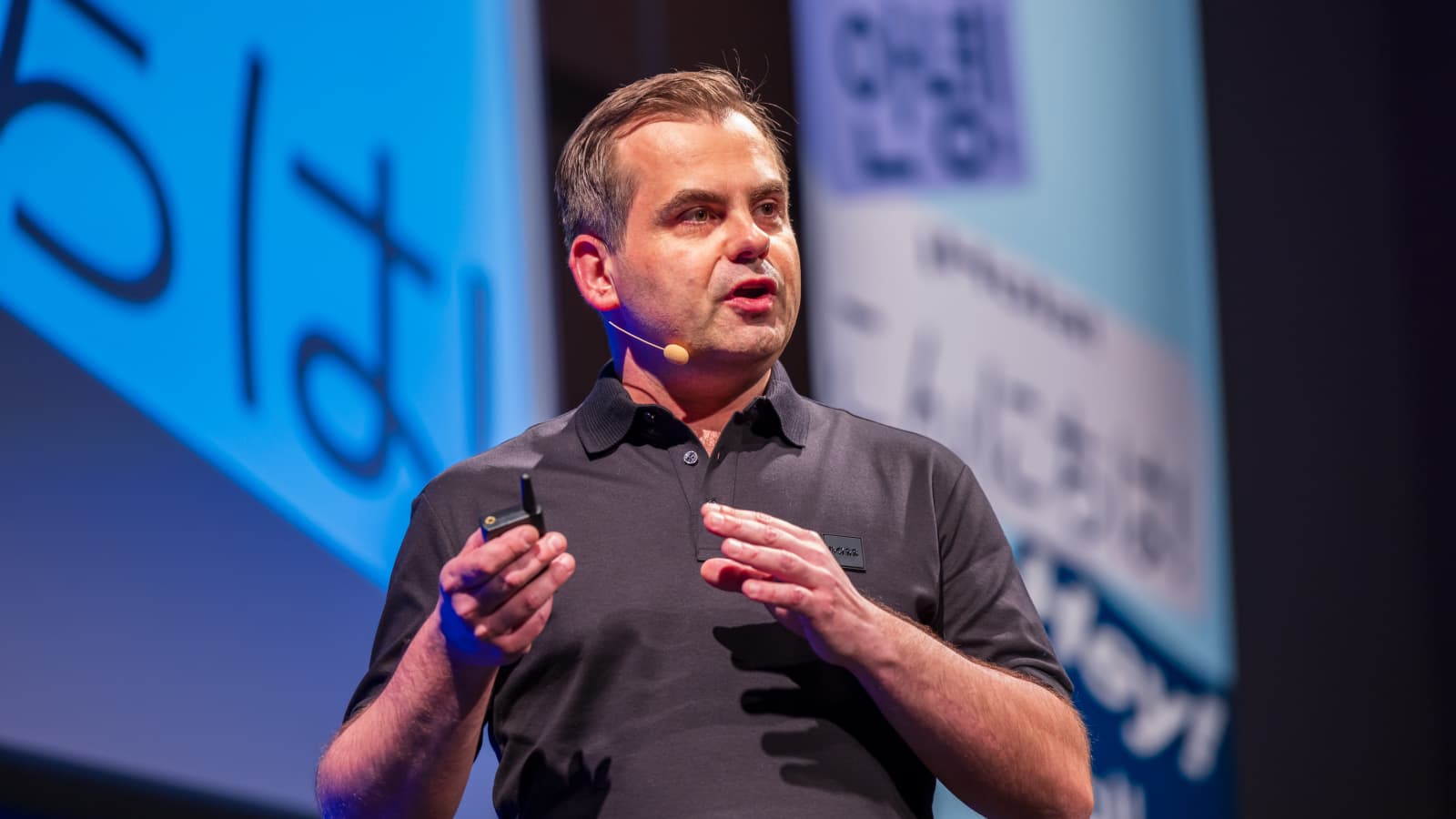
Photo: CNBC
DeepL – Smarter Translation for a Global World
Founded in 2017, DeepL is a German AI startup specializing in neural machine translation. Unlike traditional translation tools, DeepL focuses on producing highly accurate, context-aware translations that capture tone and nuance. Its services are used by individuals, businesses, and multinational corporations worldwide, making it one of the fastest-growing AI language startups globally.
DeepL has gained a reputation for outperforming established competitors like Google Translate and Microsoft Translator in accuracy and fluency, particularly in European languages.
Founding Story
DeepL was founded by Jaroslaw Kutylowski and team from Linguee, a search engine for translations. Linguee had already built a massive database of bilingual texts, which became the foundation for DeepL’s AI models.
The founders aimed to solve a critical problem in global communication: while existing translation tools were functional, they often failed to understand context, idioms, and sentence flow. By leveraging deep learning and neural networks, DeepL set out to create a system that “thinks” like a human translator rather than a word-for-word engine.
Funding and Growth Milestones
DeepL has primarily been privately funded, focusing on strategic growth:
- 2017–2018: Early development supported by revenue from Linguee and angel investments.
- 2019: Expansion of services to businesses with DeepL Pro, a subscription-based API for professional translation.
- 2021: Integration into various productivity tools, including Microsoft Office and Slack, increasing business adoption.
- 2023: DeepL continues scaling globally, with millions of daily users and growing enterprise partnerships.
DeepL’s approach emphasizes steady, technology-focused growth rather than aggressive venture-backed expansion.
Business Model and Technology
DeepL relies on AI-powered neural networks for high-quality translation:
- Neural Machine Translation (NMT): Uses deep learning to produce context-aware translations.
- DeepL Pro Subscription: Offers enhanced features such as faster translations, data security, and API access for businesses.
- Enterprise Integrations: Embeds into workflows, CRM systems, office tools, and developer applications.
- Focus on Accuracy: Prioritizes preserving tone, style, and idiomatic expressions over literal translations.
Revenue comes primarily from subscriptions (DeepL Pro) and enterprise licensing for API access.
Market Impact
DeepL has reshaped how people and businesses approach translation:
- Accuracy Leader: Frequently rated more accurate than Google Translate in independent tests.
- Business Adoption: Companies use DeepL for multilingual customer support, content localization, and global operations.
- Global Reach: Millions of users daily, spanning Europe, North America, and Asia.
- Empowering Communication: Helps small businesses, startups, and individuals access international markets efficiently.
By focusing on quality and AI innovation, DeepL has carved a niche in a highly competitive market dominated by tech giants.
Challenges and Controversies
DeepL faces several challenges typical of AI and translation startups:
- Competition: Competing with global giants like Google, Microsoft, and Amazon.
- Language Coverage: Expanding support for non-European languages while maintaining quality.
- Data Privacy: Ensuring secure handling of sensitive translations for businesses.
The company addresses these by continuously improving AI models, focusing on enterprise-grade security, and expanding language capabilities.
Future Outlook
DeepL is focused on scaling AI capabilities and enterprise adoption:
- AI Model Advancement: Incorporating larger context and multi-language translation simultaneously.
- New Markets: Expanding into Asia, the Americas, and African languages.
- Integration Expansion: Deepening enterprise integrations and API adoption.
- Voice Translation: Exploring AI-driven speech-to-speech translation technologies.
For entrepreneurs, DeepL shows how focused innovation and quality execution in a niche area can allow a startup to challenge industry giants.
From a German research project to a global AI translation leader, DeepL has redefined the standards for translation technology. By leveraging deep learning, neural networks, and context-aware AI, it has helped millions communicate across languages more naturally and efficiently. DeepL’s journey highlights how precision, innovation, and user-centric design can allow a startup to compete with even the largest global tech companies.