Depop — The Startup Turning Second-Hand Fashion into a Global Marketplace
How Simon Beckerman built a social shopping app redefining fashion for Gen Z
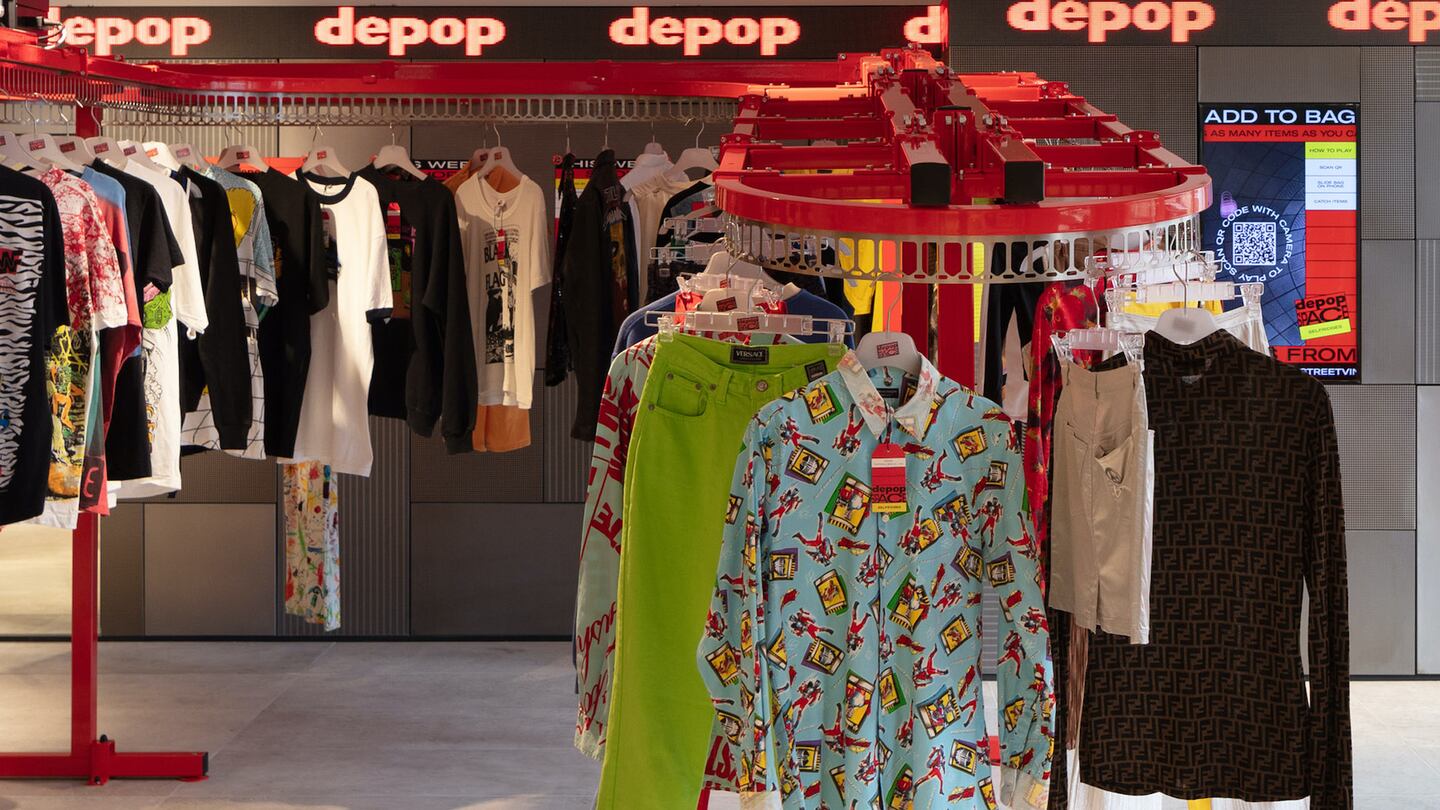
Depop – Social Shopping Meets Sustainability
Founded in 2011, Depop is a London-based fashion tech startup that allows users to buy and sell second-hand and vintage clothing through a mobile app. The platform combines social networking features with e-commerce, making shopping for pre-loved items a community-driven experience.
Depop’s mission is to make fashion more sustainable while giving everyone a platform to express their personal style and earn from their wardrobe. It has become a cultural hub for Gen Z buyers and creators worldwide.
Founding Story
Depop was founded by Simon Beckerman, an entrepreneur with a background in creative industries and music. Beckerman noticed the rise of second-hand fashion and saw an opportunity to combine social media dynamics with peer-to-peer commerce.
Starting in London, Beckerman and a small team built the first version of Depop as a simple app where users could upload pictures of clothes to sell. The early focus was on making it visually appealing, community-oriented, and mobile-first, setting it apart from traditional online marketplaces.
Funding and Growth Milestones
Depop’s growth has been fueled by strategic funding and its strong cultural appeal:
- 2012: Early angel investment of £500,000 allowed development of the mobile app and marketing campaigns.
- 2015: Series A funding of $8 million, enabling expansion across Europe and the U.S.
- 2018: Series B funding of $20 million to scale operations and improve app features.
- 2021: Acquired by Etsy for $1.6 billion, recognizing its unique community-driven marketplace and global Gen Z appeal.
- 2023: Over 30 million registered users globally, with the app available in more than 150 countries.
Depop has become a leader in sustainable fashion e-commerce, merging technology and culture.
Business Model and Technology
Depop combines social media dynamics with online marketplace technology:
- Mobile-First Platform: Users can browse, like, and comment on listings, making shopping social and interactive.
- B2C Marketplace: Peer-to-peer model where users sell directly to other users.
- Revenue Streams: Commission fees (10% on sales), payment processing fees, and featured listings.
- Community & Curation: Focus on user-generated content, vintage items, and influencer-driven trends.
Depop’s blend of community engagement, visual browsing, and sustainable fashion drives both user loyalty and revenue growth.
Market Impact
Depop has reshaped second-hand fashion and e-commerce:
- Sustainability: Encourages recycling and reusing clothing, reducing fashion industry waste.
- Cultural Influence: Popularized thrifted, vintage, and independent fashion among younger audiences.
- Global Adoption: Strong presence in Europe, the U.S., and Australia, appealing mainly to Gen Z.
- Economic Empowerment: Provides a platform for small sellers, micro-entrepreneurs, and influencers to earn income.
Depop demonstrates how social commerce can influence cultural trends while promoting sustainability.
Challenges and Controversies
Depop faces challenges typical for social marketplaces:
- Competition: Rivals include Poshmark, Vinted, and traditional resale platforms.
- Platform Trust: Ensuring secure payments and combating counterfeit items.
- Sustainability vs Growth: Balancing scaling operations with maintaining an eco-conscious, community-driven brand.
The company addresses these issues through enhanced moderation, buyer protection, and community guidelines.
Future Outlook
Depop continues to innovate and expand:
- Global Growth: Expanding into Asia, Latin America, and new European markets.
- Feature Enhancements: Improving AI-driven recommendations and social features for a more interactive shopping experience.
- Sustainability Initiatives: Collaborating with brands and influencers to promote eco-friendly fashion.
- Integration with Etsy: Leveraging Etsy’s infrastructure to grow user base and improve logistics.
Depop illustrates how technology and culture-driven design can create a profitable, sustainable, and socially impactful business.
From a small London startup to a global fashion marketplace, Depop shows the power of combining social interaction, sustainability, and entrepreneurship. Simon Beckerman transformed the second-hand fashion market by creating a community-driven platform that empowers sellers and engages buyers worldwide. His story is a blueprint for founders seeking to disrupt traditional industries while fostering social and environmental impact.