Depop — The Startup Turning Secondhand Fashion into a Social Marketplace
How a UK-based resale platform reshaped Gen Z fashion culture and built a billion-dollar circular economy business
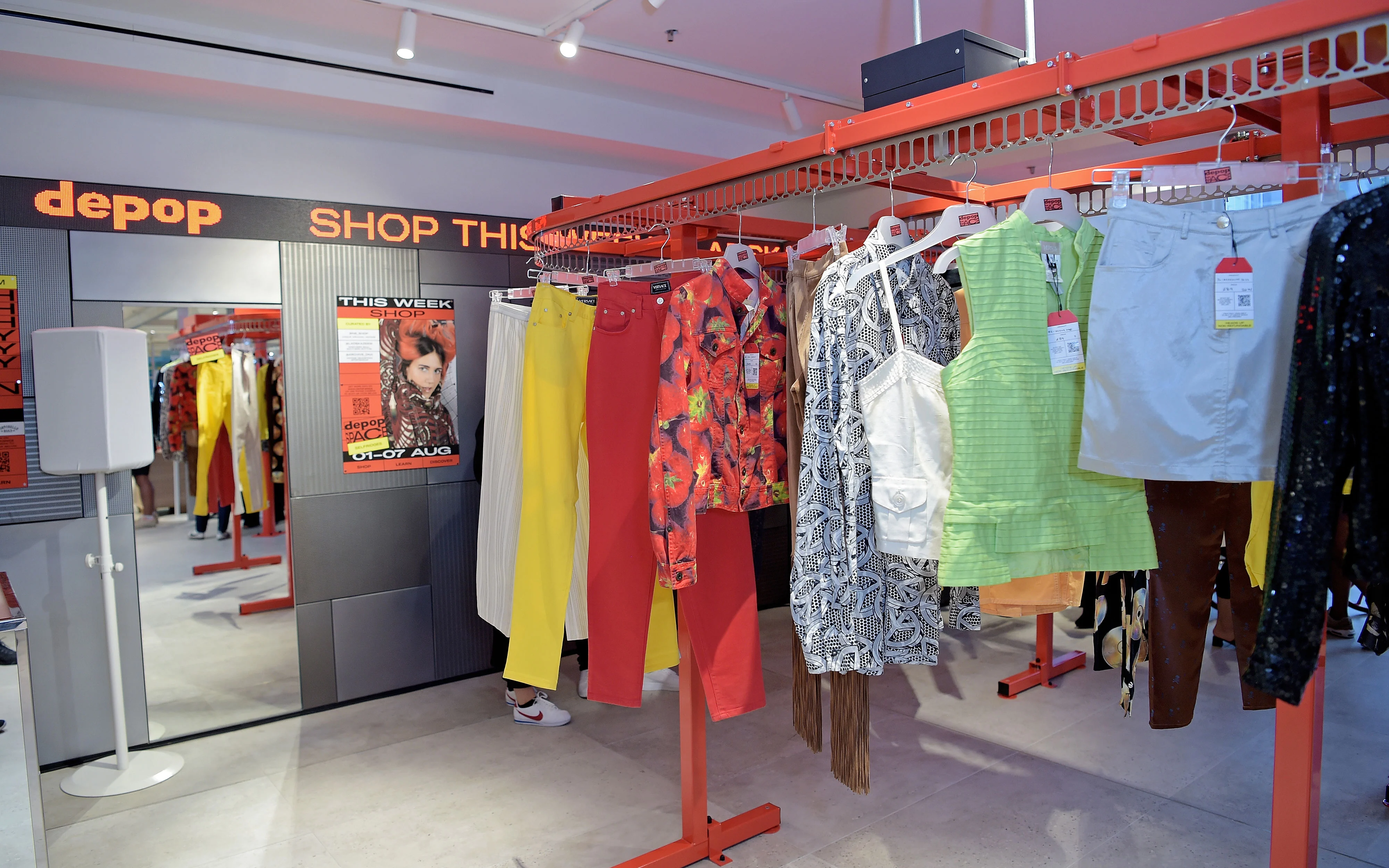
Depop – Where Social Media Meets Shopping
Founded in 2011, Depop is a London-based social commerce startup that allows users to buy and sell secondhand, vintage, and independent fashion items. Unlike traditional marketplaces, Depop is designed like a mix of Instagram and eBay, where users follow sellers, curate personal shops, and discover fashion through a social feed.
The platform became especially popular among Gen Z users, positioning itself as a leader in the global resale and circular fashion movement. Today, Depop is widely recognized as one of the most influential apps in reshaping how young consumers shop for clothing.
Founding Story
Depop was founded by Simon Beckerman, an Italian entrepreneur and creative designer. The idea originally came from a fashion magazine project he was working on, where readers wanted to directly buy items featured in the publication.
Beckerman transformed that idea into a mobile marketplace where users could not only shop but also become sellers themselves, controlling their own digital storefronts.
The early vision was simple but powerful:
a platform where fashion is social, personal, and community-driven rather than corporate and mass-produced.
Funding and Growth Milestones
Depop’s growth followed the rise of mobile-first social commerce and Gen Z fashion culture:
- 2011: Founded in Italy at H-Farm incubator
- 2012–2014: Relocated operations to London and began early expansion
- 2015: Raised early institutional funding to scale engineering and U.S. entry
- 2019: Secured around $62M Series C funding led by General Atlantic
- 2020: GMV reached roughly $650M with rapid pandemic-driven growth
- 2021: Acquired by Etsy for $1.6 billion, marking its entry into the global mainstream resale economy
- 2024: Reported tens of millions of users globally, heavily concentrated in Gen Z demographics
Business Model and Technology
Depop operates as a peer-to-peer social commerce marketplace, combining elements of e-commerce and social networking:
- Marketplace Model: Users list items directly for sale
- Social Feed: Users follow sellers, like posts, and browse curated feeds
- Mobile-First Design: App resembles Instagram, making discovery highly visual
- Revenue Streams: Transaction fees, payment processing fees, and platform services
- Payment System: In-app checkout with buyer protection and integrated payments
The key innovation is behavioral: Depop turns resale shopping into a social experience rather than a transactional one.
Market Impact
Depop has had a major influence on both fashion and digital commerce:
- Popularized resale culture among Gen Z
- Helped drive the rise of circular fashion and sustainability awareness
- Created a new category of “social shopping” platforms
- Enabled thousands of independent sellers to build micro-businesses
- Influenced mainstream brands to enter resale and vintage markets
It became one of the most culturally influential resale platforms in youth fashion globally.
Challenges and Controversies
Despite its success, Depop has faced several issues:
- Fraud and scams due to peer-to-peer transactions
- Content moderation challenges, especially around messaging and listings
- Competition from platforms like Vinted and Poshmark
- Scaling pressures after rapid Gen Z adoption growth
- Criticism of platform safety and user experience consistency
These challenges pushed the company to strengthen payment protection, identity verification, and moderation systems.
Future Outlook
Depop continues evolving under Etsy’s ownership with a focus on long-term sustainability and growth:
- Expansion in the U.S. resale market
- Stronger AI-driven recommendations and personalization
- Increased focus on circular economy fashion trends
- Improving seller tools and monetization systems
- Strengthening brand positioning among Gen Z consumers
The global resale market is projected to expand significantly, and Depop is positioned as a key player in that shift toward sustainable fashion consumption.
From a small startup idea in Italy to a billion-dollar acquisition by Etsy, Depop has redefined how young consumers buy and sell fashion. By merging social media behavior with commerce, Simon Beckerman’s creation turned secondhand clothing into a cultural movement.
Depop’s story shows how startups don’t just build marketplaces—they can reshape entire consumer habits and industries.