Fishwife — The Startup Making Tinned Fish a Modern Luxury Food Brand
How a U.S. food startup transformed canned seafood from a “dusty pantry item” into a viral, design-led premium product
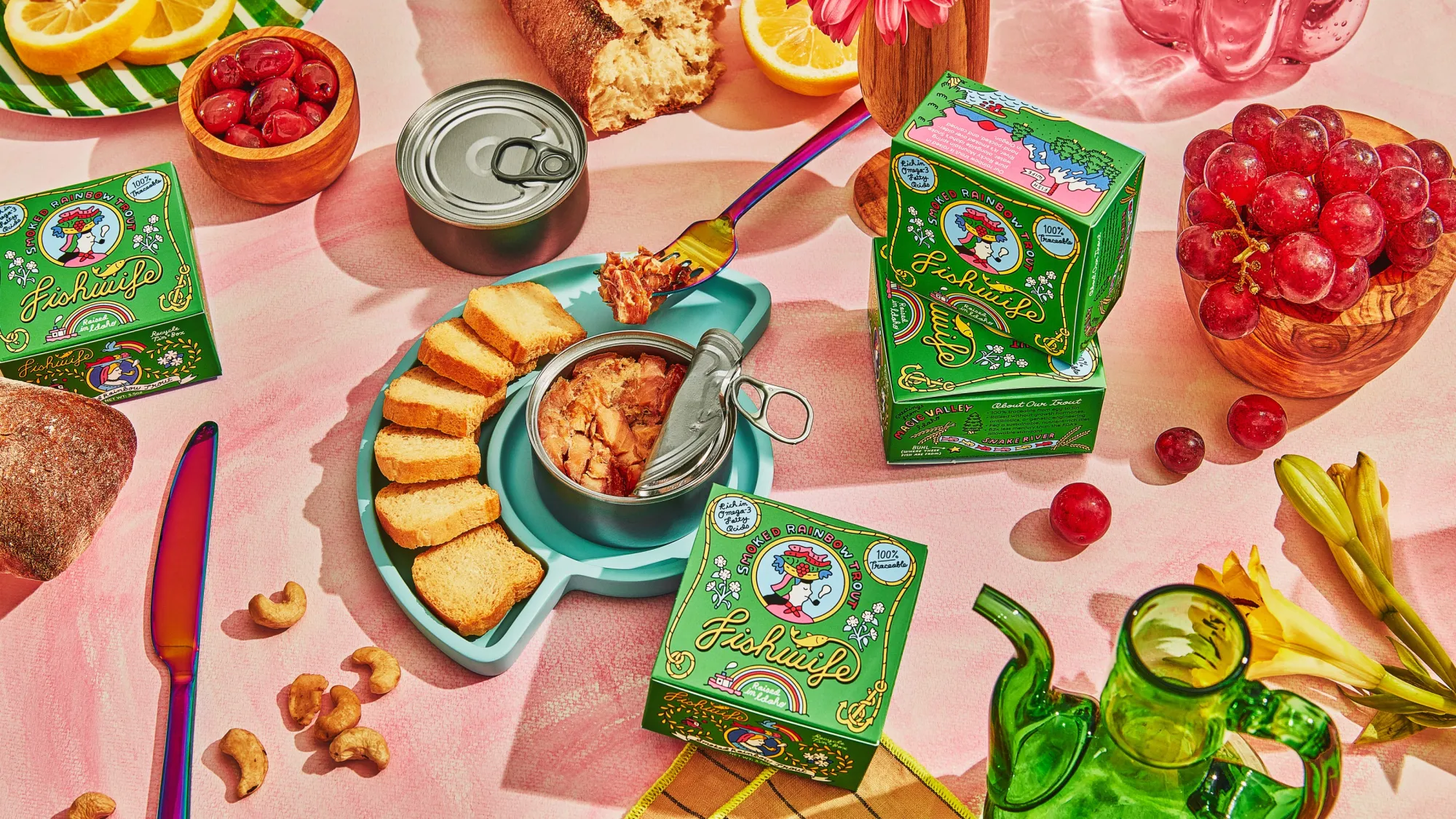
Fishwife – Rebranding an Old Category
Founded in 2020, Fishwife is a Los Angeles-based food startup that produces premium, sustainably sourced tinned seafood. The company has positioned itself at the intersection of food, design, and sustainability—turning traditional canned fish into a trendy, high-end consumer product.
Fishwife’s mission is to revive the tinned seafood category in the United States by combining high-quality sourcing, bold branding, and modern culinary appeal, making products like sardines, salmon, and albacore tuna desirable again for younger consumers.
Founding Story
Fishwife was co-founded by Becca Millstein and Caroline Goldfarb in 2020.
The idea came to Millstein after living in Spain, where she experienced the European “conservas” culture—where tinned seafood is treated as a gourmet food served with wine and tapas rather than a cheap pantry item. She noticed a gap in the U.S. market, where canned fish was mostly dominated by commodity brands with little identity or innovation.
During the COVID-19 pandemic, this idea turned into action. Both founders saw an opportunity to repackage tinned fish as something aesthetic, healthy, and culturally relevant, especially for social-media-driven audiences.
They launched Fishwife with a clear angle: premium product + strong storytelling + bold visual identity.
Funding and Growth Milestones
Fishwife’s growth has been unusually fast for a niche food startup:
- 2020: Official launch during the pandemic with direct-to-consumer sales
- 2021: Rapid viral growth through Instagram and food influencer culture
- 2022: Expansion into retail distribution across specialty stores
- 2023: Reached national retail presence in the U.S.
- 2024: Reported around $6M+ annual revenue, driven by online sales and retail partnerships
The company also gained mainstream attention through media coverage and a Shark Tank appearance, which helped boost brand visibility and investor interest.
Business Model and Technology
Fishwife operates as a premium CPG (consumer packaged goods) brand with a strong design and marketing edge:
- Product Strategy: High-quality tinned seafood (sardines, tuna, salmon, mussels) with unique flavor profiles like chili oil and smoked variants
- Sourcing Model: Partners with responsible fisheries and canneries across Spain, Scotland, Denmark, and North America
- Direct-to-Consumer + Retail: Sales through e-commerce, specialty stores, and large retail chains
- Brand Positioning: Strong emphasis on aesthetics, storytelling, and lifestyle appeal
- Revenue Streams: Product sales, retail distribution, and curated bundles
Unlike traditional seafood brands, Fishwife’s competitive advantage is not just the product—it is the branding and cultural repositioning of canned fish itself.
Market Impact
Fishwife has played a major role in reshaping consumer perception of tinned seafood:
- Helped spark a “tinned fish renaissance” in the U.S.
- Turned canned fish into a social media trend and lifestyle product
- Expanded demand among younger, health-conscious consumers
- Influenced restaurants and food culture to include premium canned seafood dishes
- Helped grow the broader U.S. tinned seafood market, now worth billions
The brand also benefited from viral food trends like “hot girl food” and “sardine culture,” which amplified its visibility online.
Challenges and Controversies
Like many fast-growing consumer startups, Fishwife faces challenges:
- Pricing pressure: Premium positioning makes products significantly more expensive than traditional canned fish
- Scaling supply chains: Maintaining sustainable sourcing while scaling retail distribution
- Brand criticism: Some discussions around whether marketing outweighs operational sustainability claims
- Market competition: Established seafood brands and emerging boutique competitors are entering the same space
Despite this, Fishwife continues to grow by leaning heavily into brand identity and niche cultural appeal.
Future Outlook
Fishwife’s future direction includes:
- Expansion into more retail chains globally
- New product lines (flavored seafood, limited editions, collaborations)
- Continued emphasis on sustainability messaging and sourcing transparency
- Potential expansion into adjacent gourmet pantry categories
If successful, Fishwife could evolve from a niche DTC brand into a mainstream premium food company redefining an entire grocery category.
From a pandemic-era idea to a fast-growing food brand, Fishwife shows how even a “boring” category like canned fish can be reinvented through branding, storytelling, and design.
By combining European-inspired conservas culture with modern marketing and sustainability positioning, Becca Millstein and her team turned a forgotten pantry item into a culturally relevant product.