Ginkgo Bioworks — The Startup Engineering the Future with Custom Microbes
How a U.S.-based biotech company is using synthetic biology to revolutionize industries
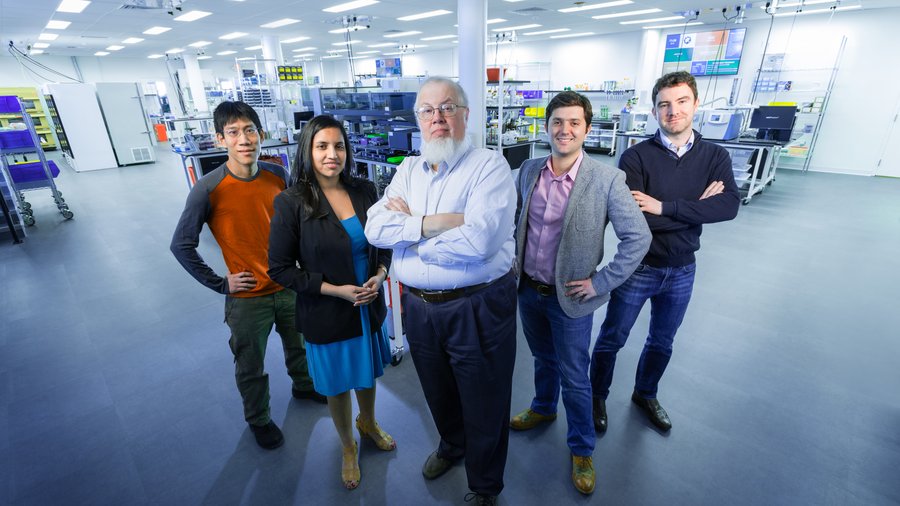
Ginkgo Bioworks – Biology as a Platform
Founded in 2008, Ginkgo Bioworks is a Boston-based synthetic biology startup that designs and engineers custom microbes for industries ranging from agriculture to pharmaceuticals. The company uses automation, software, and genetic engineering to produce organisms that can perform specific functions, replacing traditional chemical processes with biological solutions.
Ginkgo Bioworks’ mission is to harness the power of biology to solve industrial challenges, enabling sustainable, efficient, and innovative production methods.
Founding Story
Ginkgo Bioworks was founded by Tom Knight, Jason Kelly, Reshma Shetty, Barry Canton, and Austin Che at MIT’s synthetic biology program.
The founders believed that biology could be programmed like software, allowing scientists to create custom organisms for specific industrial applications. Their vision was to make biology scalable, predictable, and commercially viable for a variety of markets.
Funding and Growth Milestones
Ginkgo Bioworks has grown rapidly with significant funding rounds:
- 2014: Series B funding of $45 million to scale bioengineering facilities and automation.
- 2017: Series C funding of $275 million, enabling expansion into pharmaceuticals, food, and agriculture.
- 2021: Public listing via SPAC, achieving a valuation of $15 billion, marking it as one of the largest biotech startups globally.
- 2023: Partners with major companies like Bayer, Motif FoodWorks, and Covestro to create custom biological solutions.
Ginkgo Bioworks has positioned itself as a leader in synthetic biology, offering industrial-scale bioengineering services.
Business Model and Technology
Ginkgo Bioworks operates a platform-based approach to biology:
- Custom Microbes: Engineering organisms to produce chemicals, enzymes, or food ingredients.
- Automation & Robotics: High-throughput laboratories using robots to accelerate strain development.
- Software-Driven Design: Computational biology tools predict organism behavior and optimize production.
- B2B Model: Partners with large corporations and startups seeking sustainable bio-based solutions.
- Revenue Streams: Contract services, partnerships, and royalties from bioengineered products.
By combining genetics, automation, and software, Ginkgo Bioworks creates solutions that are faster, greener, and more precise than traditional methods.
Market Impact
Ginkgo Bioworks has transformed multiple industries:
- Sustainability: Reduces reliance on petrochemicals and environmentally harmful manufacturing.
- Food Innovation: Produces bio-based ingredients for plant-based foods and specialty flavors.
- Pharmaceuticals: Accelerates drug discovery and production with engineered microbes.
- Industrial Materials: Creates enzymes and compounds for manufacturing, cosmetics, and agriculture.
The company demonstrates how synthetic biology can replace traditional industrial processes, creating both economic and environmental value.
Challenges and Controversies
Ginkgo Bioworks faces challenges common to biotech startups:
- Technical Complexity: Engineering microbes for industrial-scale applications is challenging and iterative.
- Regulatory Compliance: Must meet stringent safety and environmental regulations across multiple regions.
- Market Adoption: Convincing traditional industries to adopt bioengineered solutions over conventional methods.
The company mitigates these challenges with rigorous testing, partnerships with regulatory agencies, and continuous innovation.
Future Outlook
Ginkgo Bioworks continues to expand its capabilities and market reach:
- Expanded Partnerships: Collaborating with more companies across food, pharma, and materials sectors.
- Sustainable Innovation: Scaling bio-based alternatives to replace petrochemical processes.
- Platform Expansion: Improving automation, AI, and predictive tools for faster strain design.
- Global Reach: Supporting clients worldwide with industrial-scale bioengineering solutions.
For entrepreneurs, Ginkgo Bioworks illustrates how combining biology with technology and automation can create entirely new industrial markets.
From a Boston-based MIT spin-off to a global biotech powerhouse, Ginkgo Bioworks is redefining industrial production with synthetic biology. By engineering custom microbes for diverse industries, the startup is driving sustainability, efficiency, and innovation at scale. Its story highlights the potential of technology-driven biology to transform traditional industries and create a greener future.