Lazada — The Startup Powering E-Commerce in Southeast Asia
How two entrepreneurs built a regional online shopping giant connecting millions of consumers and merchants
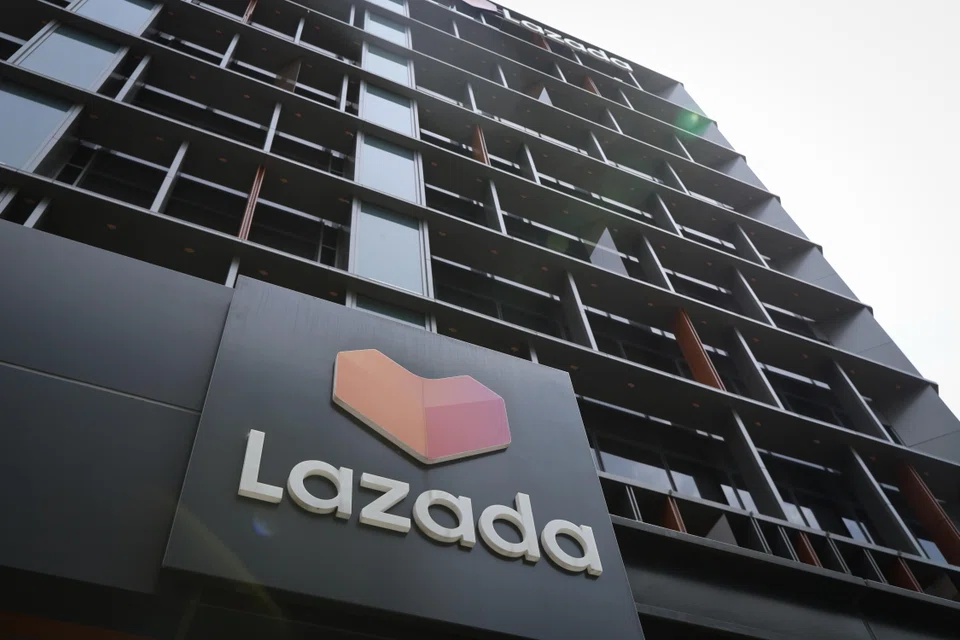
Lazada – Transforming Online Shopping in Southeast Asia
Founded in 2012, Lazada is a Singapore-based e-commerce startup that operates across Southeast Asia, including Indonesia, Malaysia, Thailand, Vietnam, and the Philippines. The platform provides a marketplace for millions of consumers and merchants, combining online shopping, logistics, and payment solutions in a region where digital adoption was still in early stages.
Lazada’s mission is to make online shopping accessible, convenient, and trustworthy, helping consumers find products easily while empowering small businesses to sell online.
Founding Story
Lazada was co-founded by Lucy Peng, an early Alibaba executive, and Max Bittner, a German entrepreneur and former Rocket Internet manager.
They identified the untapped potential of Southeast Asia’s fragmented retail market, where e-commerce was nascent but mobile adoption was rapidly growing. The founders combined Alibaba’s expertise in e-commerce and technology with Rocket Internet’s experience in launching scalable online businesses.
Starting with operations in Singapore, Lazada built localized platforms for each country, overcoming challenges in logistics, payments, and internet penetration. Their vision was ambitious: create a regional e-commerce ecosystem capable of competing with global platforms.
Funding and Growth Milestones
Lazada’s growth has been fueled by strategic investments and regional scaling:
- 2012: Founded with initial funding of $100 million from Rocket Internet.
- 2014: Raised $250 million to expand into Indonesia, Malaysia, Thailand, Vietnam, and the Philippines.
- 2016: Secured $500 million from Alibaba Group, which took a controlling stake, leveraging Alibaba’s technology and logistics expertise.
- 2018: Fully acquired by Alibaba, integrating Lazada into its global ecosystem and boosting technological capabilities.
- 2020: Over 50 million active users on the platform, with thousands of merchants selling products across multiple categories.
- 2023: Expanded digital payments, logistics infrastructure, and cross-border trade capabilities to strengthen regional dominance.
Lazada is now considered the leading e-commerce platform in Southeast Asia, shaping online shopping habits for millions of consumers.
Business Model and Technology
Lazada operates a hybrid e-commerce and marketplace model:
- Marketplace Platform: Connects sellers and buyers across Southeast Asia.
- B2C and B2B Services: Supports both individual consumers and small to medium-sized enterprises (SMEs).
- Revenue Streams: Commission fees, advertising, subscription services for merchants, and logistics solutions.
- Technology Integration: Uses AI for product recommendations, customer service chatbots, and logistics optimization.
- Logistics & Payments: Owns regional fulfillment centers and Lazada Wallet to simplify payments across countries.
By combining a marketplace model, advanced technology, and regional logistics, Lazada makes online shopping seamless for both consumers and sellers.
Market Impact
Lazada has transformed e-commerce in Southeast Asia:
- Consumer Access: Millions of users now enjoy convenient access to global and local products.
- SME Empowerment: Enabled small businesses to sell products online, reaching customers far beyond their local markets.
- Regional Growth: Helped establish Southeast Asia as a key digital market for global e-commerce players.
- Innovation Leader: Introduced features like flash sales, integrated payment solutions, and cross-border shipping.
The platform demonstrates how tech startups can drive economic growth and digital adoption in emerging markets.
Challenges and Controversies
Despite success, Lazada faced significant hurdles:
- Fragmented Markets: Southeast Asia’s multiple countries with varying regulations and infrastructure required localized strategies.
- Competition: Fierce rivalry from Shopee, Tokopedia, Amazon, and other global e-commerce players.
- Logistics & Payments: Developing reliable delivery systems and secure digital payments in countries with limited infrastructure.
The founders addressed these challenges with strategic acquisitions, partnerships, and Alibaba’s technology backing.
Future Outlook
Lazada continues to expand and innovate:
- Cross-Border Trade: Facilitating international sellers reaching Southeast Asian markets.
- AI & Logistics: Improving product recommendations, delivery efficiency, and customer support through AI.
- SME Support: Expanding programs for small businesses to digitize operations and reach new customers.
- Digital Ecosystem Growth: Integrating payments, logistics, and marketing solutions for merchants and consumers alike.
Lazada demonstrates how ambitious founders can overcome complex regional challenges to create scalable, transformative platforms.
From a startup in Singapore to a regional e-commerce powerhouse, Lazada shows the potential of entrepreneurship in emerging markets. Lucy Peng and Max Bittner leveraged technology, logistics, and market insight to connect millions of consumers with merchants across Southeast Asia. Their story is a blueprint for founders seeking to build impactful, regionally scaled startups that combine innovation, accessibility, and economic empowerment.