L’Oréal — The Beauty Giant Built on Scientific Innovation
How a 1909 French startup became the world’s largest cosmetics and beauty company
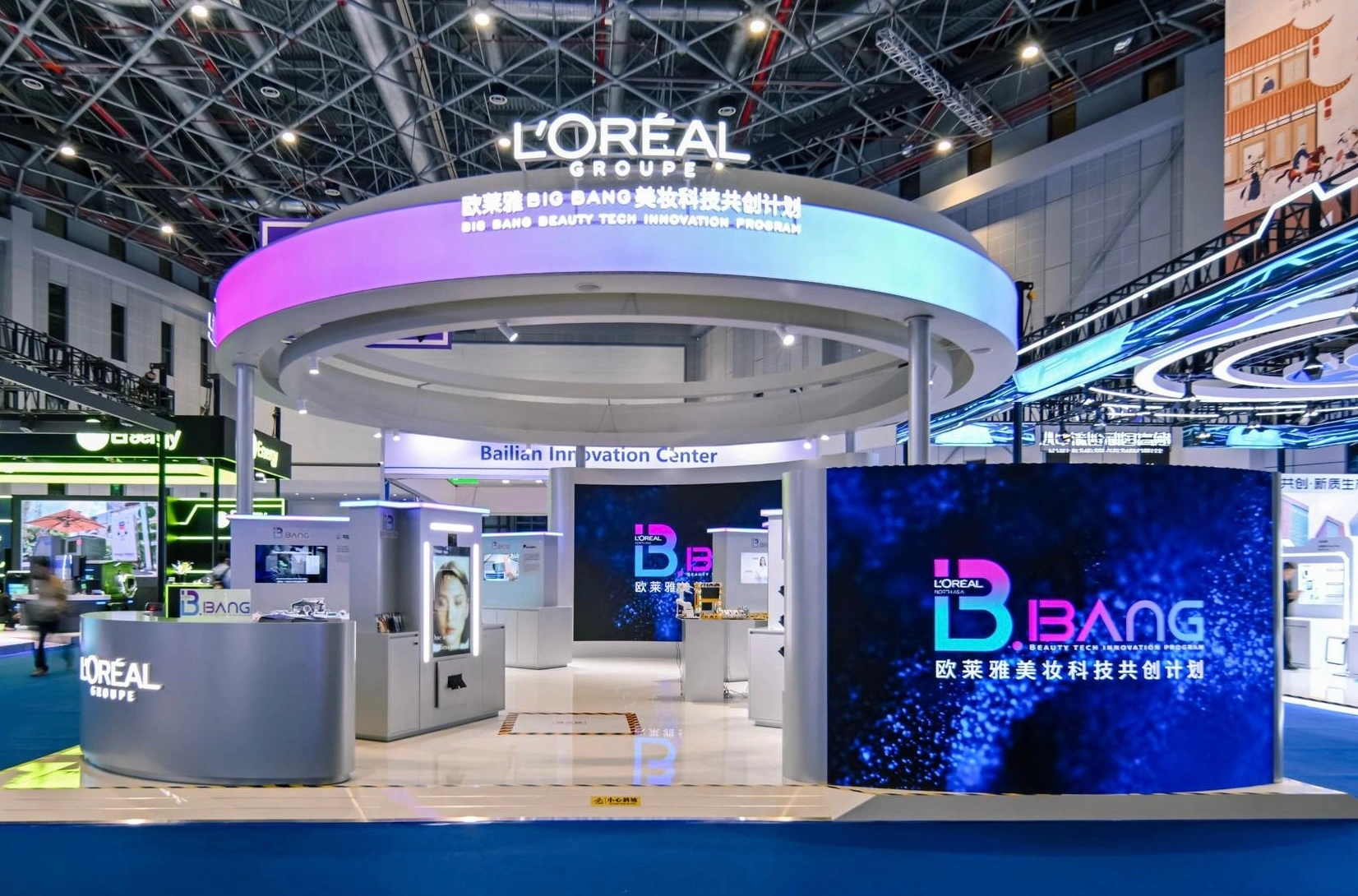
L’Oréal – Science Meets Beauty at Global Scale
Founded in 1909, L’Oréal is a Paris-based beauty and cosmetics company that has grown into the world’s largest player in the global personal care industry. The company develops, manufactures, and sells haircare, skincare, makeup, and fragrance products across more than 150 countries.
Unlike typical consumer startups, L’Oréal’s foundation is deeply rooted in science and research. Its core philosophy has always been to combine chemistry, dermatology, and innovation to create safe and effective beauty products for mass markets and luxury segments alike.
Today, L’Oréal operates a multi-brand empire including L’Oréal Paris, Maybelline, Garnier, Lancôme, CeraVe, and many others.
Founding Story
L’Oréal was founded by Eugène Schueller, a French chemist who developed one of the first safe synthetic hair dyes called “Auréole.”
At the time, hair coloring was risky and inconsistent. Schueller’s formula was safer and more reliable, quickly gaining popularity among Parisian hair salons. Seeing demand grow, he established a small company in Paris to manufacture and distribute his product.
What started as a single chemistry innovation quickly evolved into a structured business built around one idea: apply scientific research to everyday beauty problems.
Funding and Growth Milestones
Unlike modern venture-backed startups, L’Oréal scaled through reinvestment, global expansion, and acquisitions:
- 1909: Founded in Paris with a single hair dye product.
- 1920s–1930s: Expanded into international markets, entering over 15 countries.
- 1950s: Accelerated innovation in haircare and skincare, launching new cosmetic products for mass adoption.
- 1963: Listed on the French stock exchange, formalizing its corporate structure.
- 1970s–1980s: Major global expansion through acquisitions and entry into pharmaceuticals and consumer skincare.
- 2000s–2020s: Became a global beauty leader through major acquisitions like Maybelline, Garnier, and CeraVe.
Today, L’Oréal generates tens of billions of euros in annual revenue and operates as one of the most dominant consumer goods companies worldwide.
Business Model and Technology
L’Oréal’s business model is built on multi-tier branding, R&D dominance, and global distribution:
- Multi-Brand Strategy: Operates luxury, consumer, professional, and dermatological beauty divisions.
- Research-Driven Innovation: Hundreds of scientists develop new formulations, patents, and cosmetic technologies annually.
- Mass + Luxury Coverage: From drugstore brands like Garnier to luxury brands like Lancôme.
- Retail + Salon Distribution: Products sold through retail chains, pharmacies, salons, and e-commerce platforms.
- Technology Integration: Increasing use of AI-driven skin diagnostics, personalization tools, and beauty tech devices.
This structure allows L’Oréal to dominate nearly every segment of the global beauty market.
Market Impact
L’Oréal’s influence on the global beauty industry is massive:
- Global Reach: Products sold in over 150 countries.
- Brand Portfolio Strength: Over 30+ global brands across every price segment.
- Industry Leadership: Largest cosmetics company in the world by revenue and scale.
- Science-Driven Beauty: Helped redefine cosmetics as a science-backed industry rather than purely cosmetic.
- Cultural Influence: Shaped global beauty standards through decades of marketing and product innovation.
Challenges and Controversies
Despite its dominance, L’Oréal has faced multiple challenges:
- Ethical and supply chain criticism tied to sourcing and corporate complexity.
- Competition from indie beauty brands disrupting traditional marketing channels.
- Regulatory scrutiny across different global markets.
- Brand perception debates around sustainability and corporate ownership structures.
The company continues to respond with sustainability initiatives, R&D investment, and expansion into science-led dermatology products.
Future Outlook
L’Oréal is evolving from a traditional beauty company into a beauty-tech and science-driven enterprise:
- AI Beauty Tech: Investment in AI-based skin analysis and personalized product recommendations.
- Dermatology Expansion: Strong focus on medical-grade skincare through brands like CeraVe and SkinCeuticals.
- Sustainability Goals: Reducing carbon footprint and increasing eco-friendly formulations.
- Global Innovation Hubs: Expanding research centers across Europe, Asia, and India.
The company is positioning itself as a hybrid of beauty, technology, and science.
From a small laboratory experiment in 1909 to a global cosmetics empire, L’Oréal represents one of the most successful long-term startup evolutions in history. Built on science, scale, and strategic acquisitions, the company reshaped how beauty products are developed and distributed worldwide.
Its journey shows how innovation in a single niche—hair dye—can evolve into a multi-billion-euro global industry leader spanning beauty, skincare, and technology.