MUJI — The Japanese Startup That Built a Global Empire on “No Brand” Design
How Ryohin Keikaku created a minimalist retail philosophy that changed global consumer culture
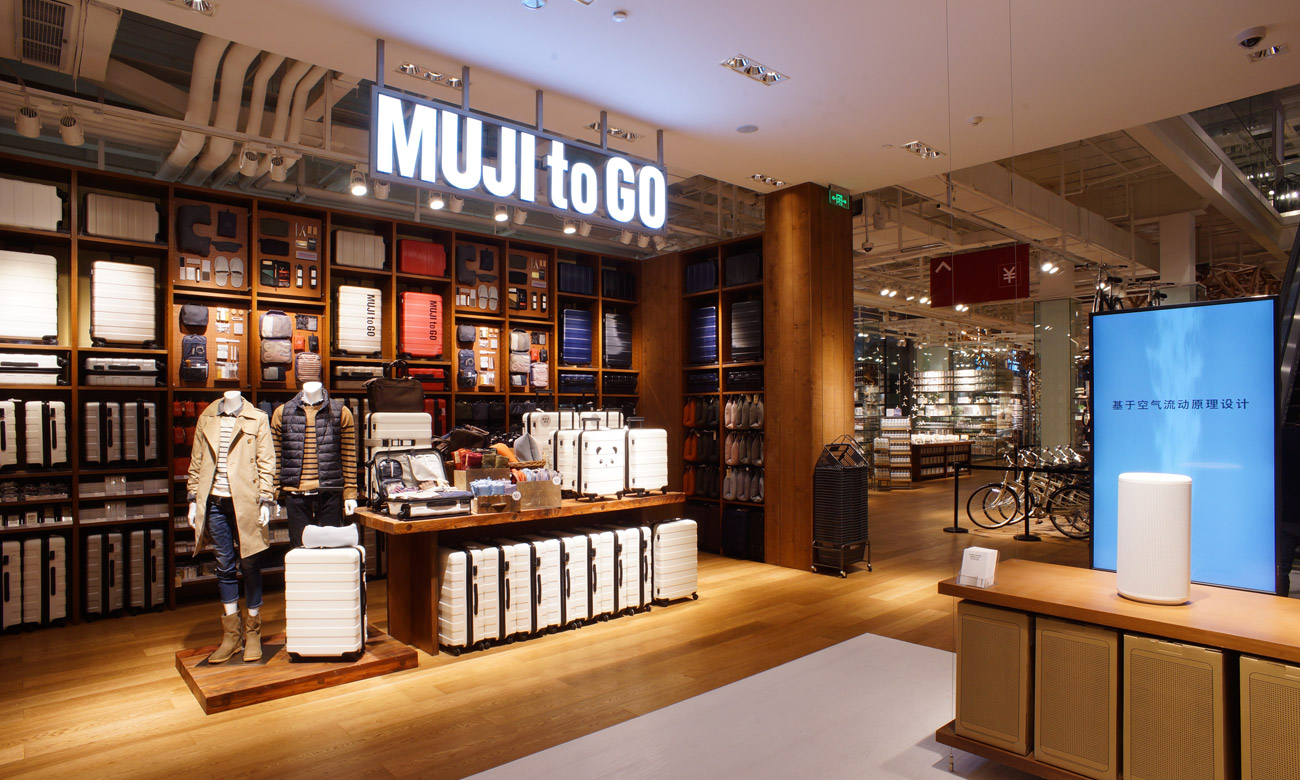
Photo: MUJI
MUJI – The Power of “No Brand”
Founded in 1980, MUJI (short for Mujirushi Ryohin, meaning “No Brand Quality Goods”) is a Japanese retail company known for its minimalist design, functional products, and anti-luxury branding philosophy.
Unlike traditional consumer brands that rely on logos and heavy marketing, MUJI focuses on simplicity, affordability, and functionality across home goods, clothing, stationery, and food products.
MUJI operates under the parent company Ryohin Keikaku, and has become a global symbol of minimalist living.
Founding Story
MUJI was launched in 1980 by Ryohin Keikaku Co., Ltd. in Japan during a period of rising consumerism and brand obsession. The idea was simple but radical:
create high-quality everyday products without branding waste.
The concept was driven by dissatisfaction with over-packaged goods and overpriced branded items. MUJI’s early philosophy focused on three principles:
- Selection of materials
- Streamlined production
- Simplified packaging
This “anti-brand” approach was unusual in Japan’s highly competitive retail market but quickly gained attention for its honesty and practicality.
Growth and Expansion Milestones
- 1980: MUJI launches as a private label under Seiyu supermarket group
- 1983: Opens first standalone MUJI store in Tokyo
- 1990s: Expands across Japan with strong domestic demand
- 1991: First overseas store opens in London
- 2000s: Rapid expansion across Asia and Europe
- 2010s: Becomes a global lifestyle brand with hundreds of stores worldwide
- 2020s: Over 1,000+ stores globally, strong e-commerce growth
MUJI’s expansion was driven not by advertising, but by word-of-mouth and design consistency.
Business Model and Product Strategy
MUJI’s business model is based on simplicity, efficiency, and scale:
- Minimalist Design: No logos, neutral colors, functional aesthetics
- Vertical Integration: Control over product design, manufacturing, and retail
- Wide Product Range: Furniture, clothing, food, stationery, travel goods
- Affordable Pricing: Eliminates branding and marketing costs
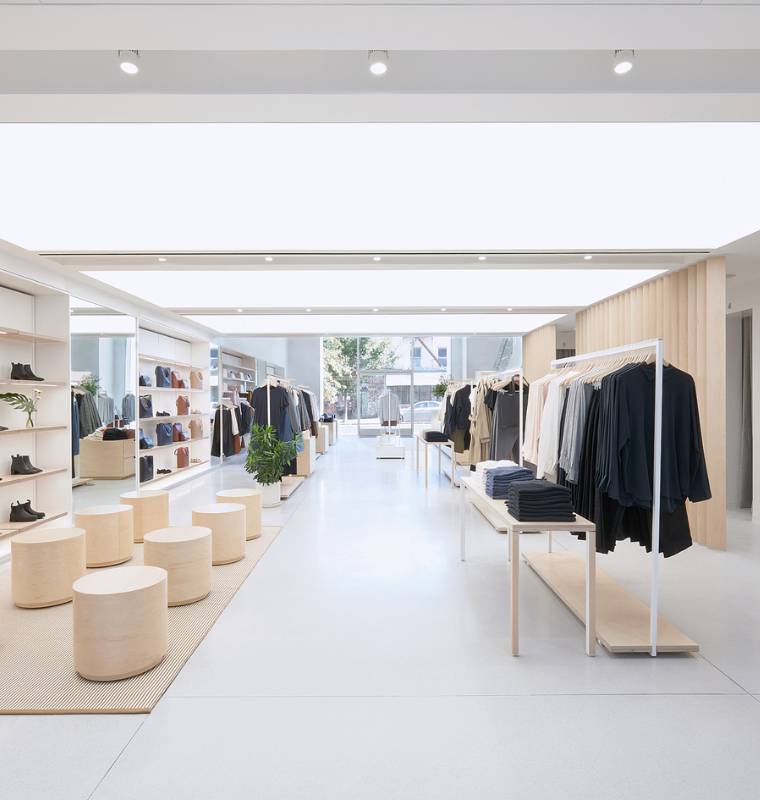
- Retail Experience: Stores designed as calm, organized spaces
Revenue comes from global retail stores and online sales, with strong margins driven by efficient supply chains.
Market Impact
MUJI has had a major influence on global retail and design culture:
- Popularized minimalist lifestyle trends worldwide
- Influenced Scandinavian and global “clean design” movements
- Redefined luxury as simplicity rather than logos
- Expanded Japanese design philosophy globally
- Strong presence in Asia, Europe, and North America
MUJI is often seen as the opposite of luxury branding—yet it became a global premium lifestyle choice.
Challenges and Controversies
Despite success, MUJI faces challenges:
- Brand Paradox: A “no-brand brand” becoming a strong global brand
- Competition: IKEA and fast retail competitors in home goods
- Sustainability Pressure: Ensuring ethical sourcing at scale
- Market Saturation: Slower growth in mature markets like Japan
The company continues to balance growth with its original minimalist philosophy.
Future Outlook
MUJI continues evolving into a global lifestyle ecosystem:
- Expansion of eco-friendly and sustainable product lines
- Growth in global e-commerce and digital retail
- More MUJI hotels and experiential spaces
- Stronger focus on sustainability and circular economy products
- Expansion in emerging markets like Southeast Asia and India
MUJI is positioning itself not just as a retailer, but as a complete lifestyle philosophy.
From a Japanese supermarket concept to a global design icon, MUJI represents the power of simplicity in a complex consumer world. By rejecting logos and excessive branding, it built one of the most recognizable retail identities in the world.