Sanrio — The Japanese Brand That Built a Global Character Empire
How a small gift company created Hello Kitty and transformed character merchandising worldwide
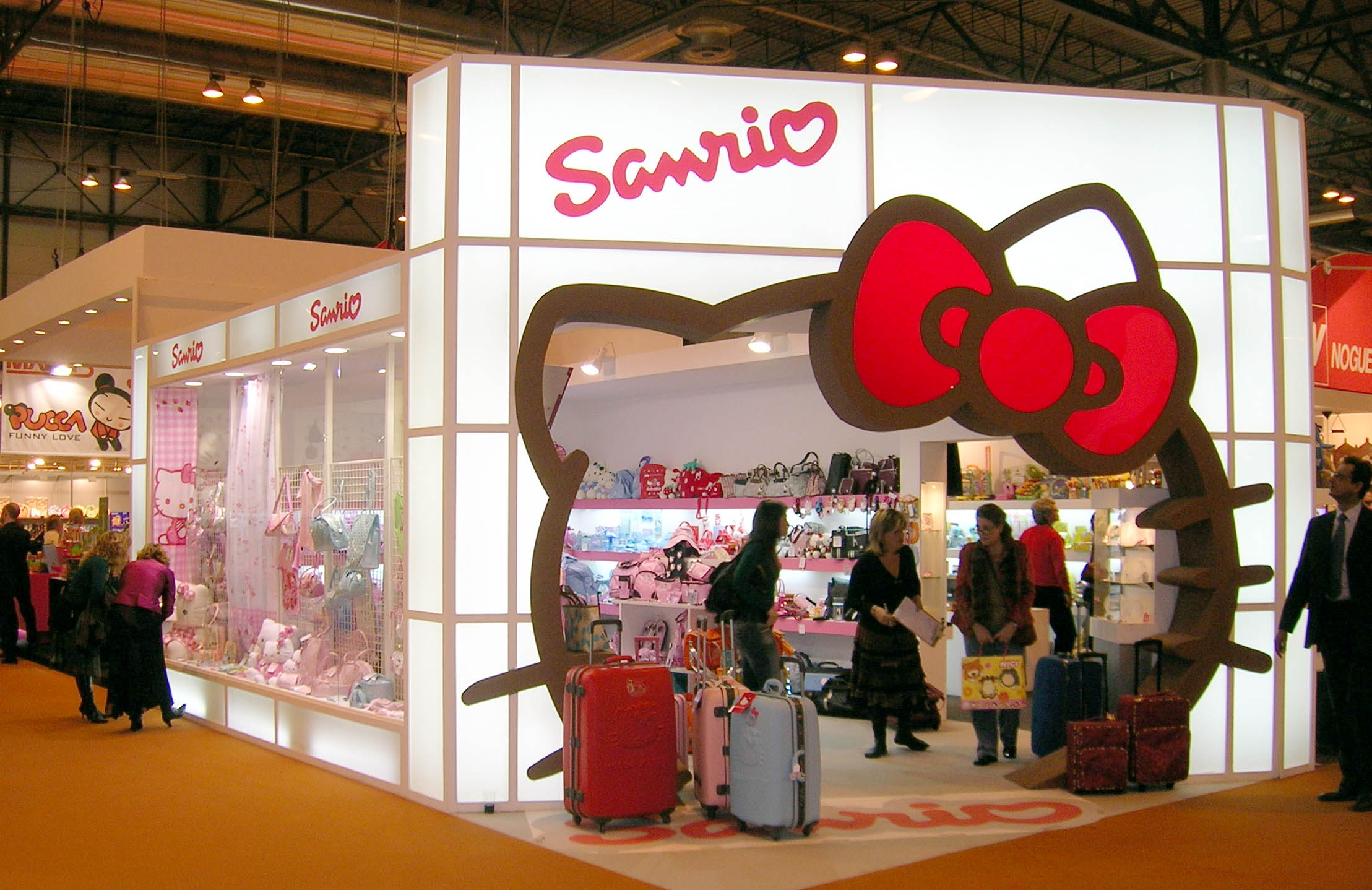
Sanrio – More Than Just Cute Characters
Founded in 1960, Sanrio is a Japanese entertainment and lifestyle company best known for creating globally recognized characters like Hello Kitty, My Melody, and Cinnamoroll. What started as a small gift and stationery business evolved into a multi-billion-dollar character licensing empire.
Sanrio’s core idea is simple but powerful: “Small gift, big smile.” The company designs characters that represent kindness, friendship, and emotional connection, turning them into products, media franchises, and global cultural icons.
Founding Story
Sanrio was founded by Shintaro Tsuji, a Japanese entrepreneur who initially worked in chemicals before shifting into gift manufacturing.
Tsuji noticed that simple illustrated gifts sold far better than plain products, especially among young people. In 1960, he established a company called Yamanashi Silk Company, which later became Sanrio.
In 1974, Sanrio introduced its most iconic character, Hello Kitty, designed by illustrator Yuko Shimizu. Originally printed on a small coin purse, Hello Kitty quickly became a cultural phenomenon, redefining character branding forever.
Funding and Growth Milestones
Unlike typical startups, Sanrio’s growth was driven by licensing and retail expansion rather than venture capital:
- 1960: Founded as Yamanashi Silk Company, focused on gift merchandise
- 1973: Renamed Sanrio, shifting toward character-based branding
- 1974: Launch of Hello Kitty, which becomes an instant hit in Japan
- 1980s: Expansion into global markets including the U.S. and Europe
- 1990s: Licensing model scales rapidly across toys, stationery, fashion, and accessories
- 2000s: Hello Kitty becomes a global pop culture icon with thousands of licensed products
- 2010s: Expansion into theme parks, collaborations, and digital media
- 2020s: Over 450 characters created and millions of licensed products worldwide
Sanrio is now a publicly traded company in Japan with global revenue driven largely by intellectual property licensing.
Business Model and Technology
Sanrio’s business model is centered on intellectual property (IP) monetization:
- Character Licensing: Licensing characters to manufacturers for toys, clothing, food, and electronics
- Retail Products: Direct sales of branded merchandise
- Media & Entertainment: TV shows, films, animations, and digital content
- Theme Parks: Sanrio Puroland and Harmonyland in Japan
- Collaborations: Partnerships with global brands like Puma, Uniqlo, and McDonald’s
The company does not rely on a single product but instead builds long-lasting emotional value through characters.
Market Impact
Sanrio has had a massive influence on global consumer culture:
- Global Icon Status: Hello Kitty alone generates billions in annual retail sales through licensing
- Cultural Export: One of Japan’s most successful cultural exports worldwide
- IP Economy Pioneer: Helped establish modern character licensing business models
- Cross-Industry Reach: Products span fashion, gaming, food, stationery, and entertainment
Sanrio proved that characters can be more powerful than traditional brands when built on emotional storytelling.
Challenges and Controversies
Despite its success, Sanrio has faced challenges:
- Over-Commercialization: Critics argue some characters are over-licensed and diluted
- Changing Trends: Maintaining relevance with younger generations in a fast-changing pop culture landscape
- Competition: Rival character brands like Pokémon, Disney, and anime franchises
Sanrio continues to address these issues by introducing new characters and modern digital engagement strategies.
Future Outlook
Sanrio is evolving from a traditional character company into a global digital IP ecosystem:
- Digital Expansion: More presence in gaming, NFTs, and metaverse platforms
- New Characters: Continuous development of new global-friendly mascots
- Global Collaborations: Fashion and lifestyle partnerships expanding worldwide
- Gen Z Targeting: Rebranding characters for younger, digital-native audiences
Sanrio’s future lies in strengthening its intellectual property ecosystem across physical and digital worlds.
From a small Japanese gift company to a global cultural empire, Sanrio shows the power of emotional branding and intellectual property. Through characters like Hello Kitty, the company built a universal language of cuteness, friendship, and nostalgia that transcends borders. Its story is a blueprint for how creativity and licensing can turn simple illustrations into a global business empire.