Sweetgreen — The Startup Making Healthy Fast Food Mainstream
How three college friends built a billion-dollar “salad chain” redefining fast-casual dining in America
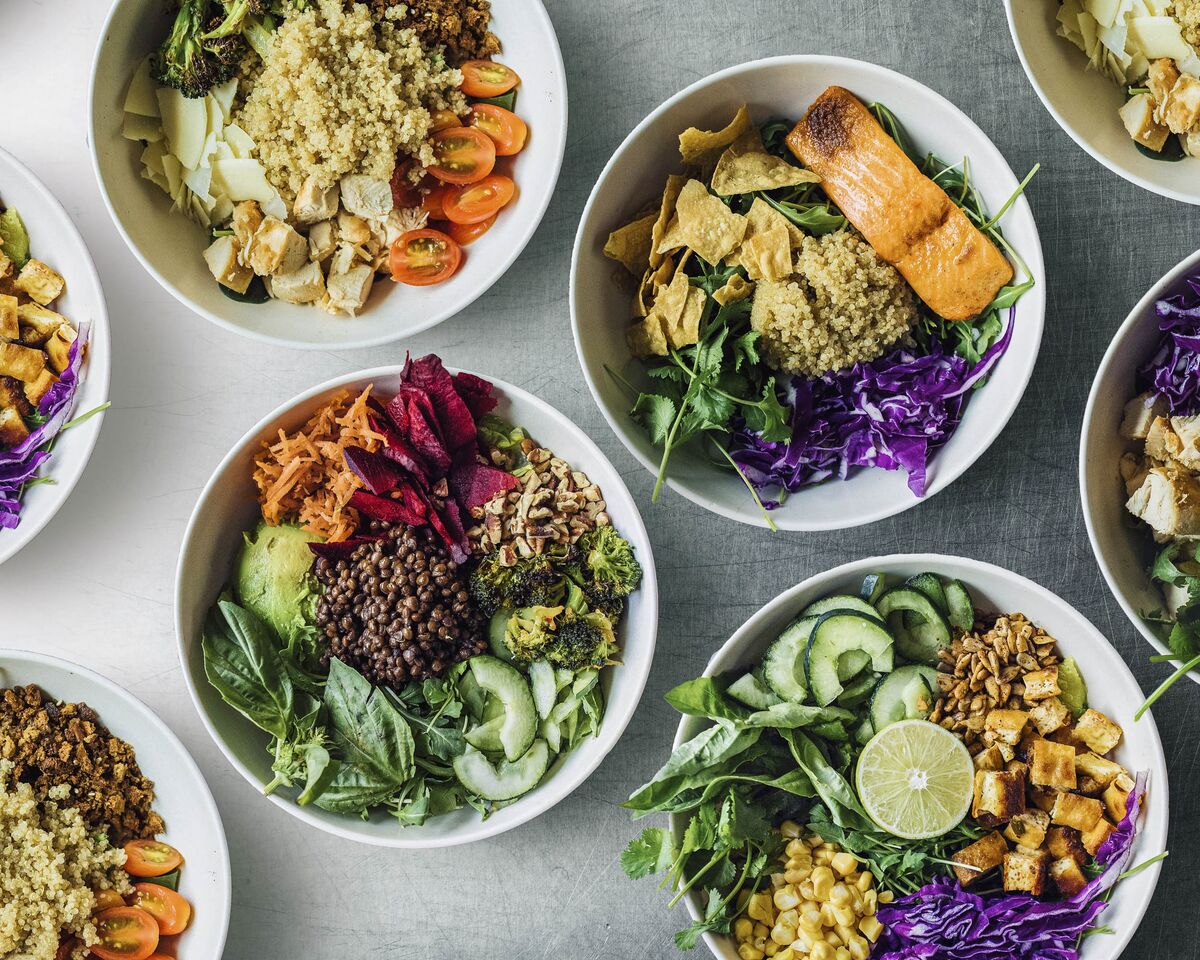
Sweetgreen – Fast Food for the Health-Conscious Generation
Founded in 2006, Sweetgreen is an American fast-casual restaurant startup focused on fresh, customizable salads and grain bowls. The company was built around a simple idea: make healthy food as convenient and scalable as traditional fast food.
Today, Sweetgreen operates hundreds of locations across the U.S. and has become one of the most recognizable “healthy fast food” brands, competing in the same space as Chipotle but with a stronger focus on plant-forward eating and sustainability.
Founding Story
Sweetgreen was founded by Jonathan Neman, Nicolas Jammet, and Nathaniel Ru, three Georgetown University students who were frustrated by the lack of healthy, affordable food options on campus.
In 2006, they decided to build their own solution—starting with a small salad shop in Washington, D.C. Their early vision wasn’t just a restaurant, but a lifestyle brand centered on real food, transparency, and sustainability.
After graduating, they opened their first store in 2007 and quickly attracted young urban customers looking for healthier fast-food alternatives.
Funding and Growth Milestones
Sweetgreen’s expansion was driven by strong venture backing and aggressive scaling:
- 2007–2012: Early growth funded by friends, family, and angel investors
- 2013: ~$22M investment from Revolution Growth
- 2015: Additional $35M round led by institutional investors
- 2018: ~$200M Series H round, crossing $1B valuation (unicorn status)
- 2019: ~$150M additional funding, pushing valuation to ~$1.6B
- 2021: IPO on the New York Stock Exchange (ticker: SG)
From a single store, Sweetgreen scaled into a national chain with hundreds of locations across major U.S. cities.
Business Model and Technology
Sweetgreen operates on a fast-casual + tech-enabled restaurant model:
- In-store + digital ordering: Mobile app for pickup and delivery
- Seasonal menu cycles: Rotating ingredients based on supply and seasonality
- Subscription and loyalty systems: Rewards program to increase repeat customers
- Automation experiments: “Infinite Kitchen” robotic systems for bowl assembly in select stores
- Supply chain model: Direct partnerships with local and regional farms
The company blends restaurant operations with software-driven logistics to improve speed and efficiency.
Market Impact
Sweetgreen has influenced how urban consumers think about fast food:
- Helped normalize healthy fast-casual dining in the U.S.
- Built a strong Gen Z and millennial customer base
- Popularized “custom bowl” culture alongside brands like Chipotle
- Increased demand for transparent sourcing and farm-to-table supply chains
- Inspired a wave of health-focused restaurant startups
It is often described as trying to become the “Starbucks of salads” in terms of scale and lifestyle branding.
Challenges and Controversies
Despite strong branding, Sweetgreen faces real business challenges:
- Profitability pressure: High operating costs in urban real estate
- Thin margins: Restaurant-level profitability remains tight
- Expansion risks: Scaling into lower-density markets is difficult
- Competition: Rival fast-casual chains and local salad brands
- Operational complexity: Balancing freshness, speed, and consistency
Some market analysts also point out that while revenue is growing, profitability and operational efficiency remain ongoing concerns.
Future Outlook
Sweetgreen is trying to evolve from a restaurant chain into a tech-enabled food platform:
- Expansion of automation in kitchens
- Growth into suburban and lower-cost markets
- Stronger digital and delivery integration
- Continued menu innovation (including higher-protein offerings and new formats like wraps)
- Sustainability initiatives tied to farming and sourcing
The long-term goal is to scale like a tech company while operating in the food industry.
From a small college idea in Washington, D.C. to a publicly traded national brand, Sweetgreen shows how a startup can turn a simple concept—healthy food into fast food—into a billion-dollar business.
Its journey reflects both sides of modern entrepreneurship: strong branding and consumer loyalty on one side, and operational and profitability challenges on the other.