The Sill — The Startup Making Houseplants a Modern Lifestyle Brand
How a New York entrepreneur turned indoor plants into a scalable direct-to-consumer business

The Sill – Bringing Nature Back Indoors
Founded in 2012, The Sill is a New York-based direct-to-consumer startup that sells houseplants, planters, and plant care products. The company positions itself as a “modern plant destination,” making indoor gardening accessible to beginners while turning plants into a lifestyle product.
Its mission is simple but powerful: help people bring more greenery into urban living spaces and improve wellbeing through plants.
Founding Story
The Sill was founded by Eliza Blank, who grew up in Massachusetts and later moved to New York City for college. Living in a dense urban environment, she noticed a gap: people wanted houseplants, but access, guidance, and availability were limited.
Instead of treating plants as a traditional gardening product, she reframed them as a modern consumer lifestyle category—similar to fashion or home decor.
In 2012, she launched The Sill with about $30,000 in personal savings and early crowdfunding support, initially operating with a lean, direct-to-consumer model out of New York City.
Funding and Growth Milestones
The Sill’s growth followed a gradual, bootstrap-first strategy before venture capital expansion:
- 2012: Launched with Kickstarter crowdfunding (~$12,000 raised) and personal savings
- 2012–2014: Early growth funded through direct sales and reinvested revenue
- 2015: Opened first physical retail store in New York City
- 2017: Seed funding from venture capital firms including Brand Foundry Ventures
- 2018: Raised $5 million Series A funding led by Raine Ventures
- Total funding: Approximately $5M–$8M range across rounds depending on reporting
By 2018, the company was reportedly generating multi-million dollar annual revenue and strong year-over-year growth, supported by both e-commerce and retail expansion.
Business Model and Technology
The Sill operates as a hybrid DTC + retail + education-driven commerce brand:
- E-commerce: Nationwide delivery of plants and accessories
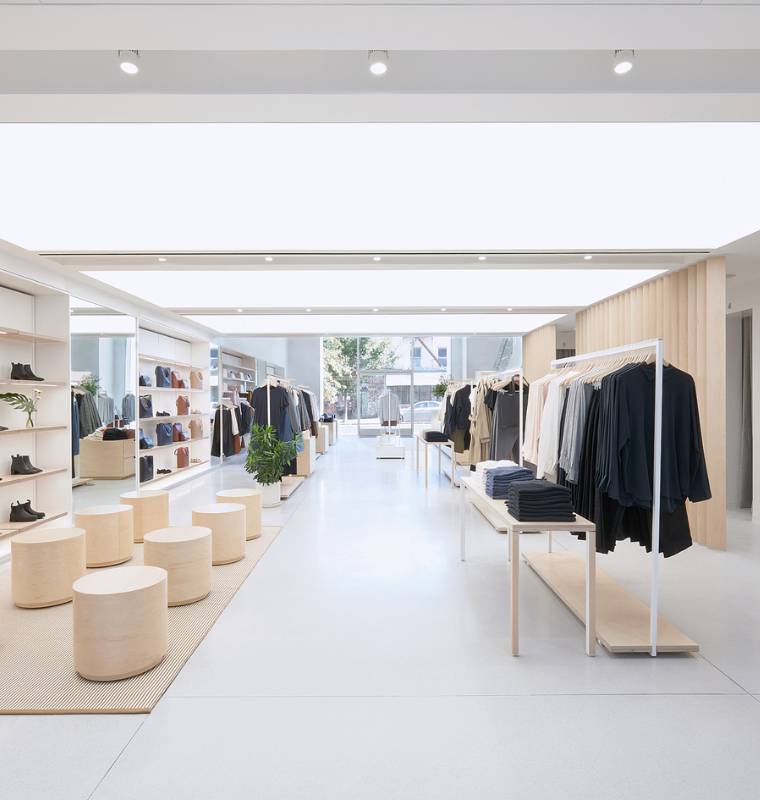
- Physical stores: Experience-based retail locations in major U.S. cities
- Subscription model: Monthly plant deliveries for recurring revenue
- Education layer: Workshops, plant care guides, and expert support
Its differentiation is not just selling plants but reducing the barrier to ownership through education and design-focused packaging.
Market Impact
The Sill helped reshape how plants are perceived in modern consumer culture:
- Turned plants into a lifestyle and interior design category
- Made plant ownership accessible to urban beginners
- Popularized “plant parent” culture on social media
- Built one of the earliest scalable DTC models in the indoor gardening space
The company sits at the intersection of e-commerce, wellness, and home decor, which helped it gain strong early brand loyalty.
Challenges and Controversies
Like many DTC startups, The Sill faced several structural challenges:
- High logistics complexity due to shipping live plants
- Inventory and damage risks during transport
- Customer education gap, requiring heavy content investment
- Capital intensity of scaling retail and distribution simultaneously
Additionally, balancing profitability with growth in a niche category required careful pacing rather than rapid expansion.
Future Outlook
The Sill continues to evolve beyond its original model:
- Expansion into outdoor plants and larger garden categories
- Strengthening its home and wellness positioning
- Scaling retail experience stores in key urban markets
- Deepening subscription and recurring revenue models
The long-term vision is to become a full plant lifestyle ecosystem, not just an online store.
From a small New York startup to a recognized DTC plant brand, The Sill shows how everyday products can become scalable businesses when reframed through lifestyle and design. Eliza Blank’s approach transformed houseplants from a niche hobby into a mainstream consumer category, blending commerce, education, and wellness into a single brand experience.