Too Good To Go — The Startup Fighting Food Waste at Global Scale
How a European app is turning unsold food into affordable meals while reducing millions of tons of waste
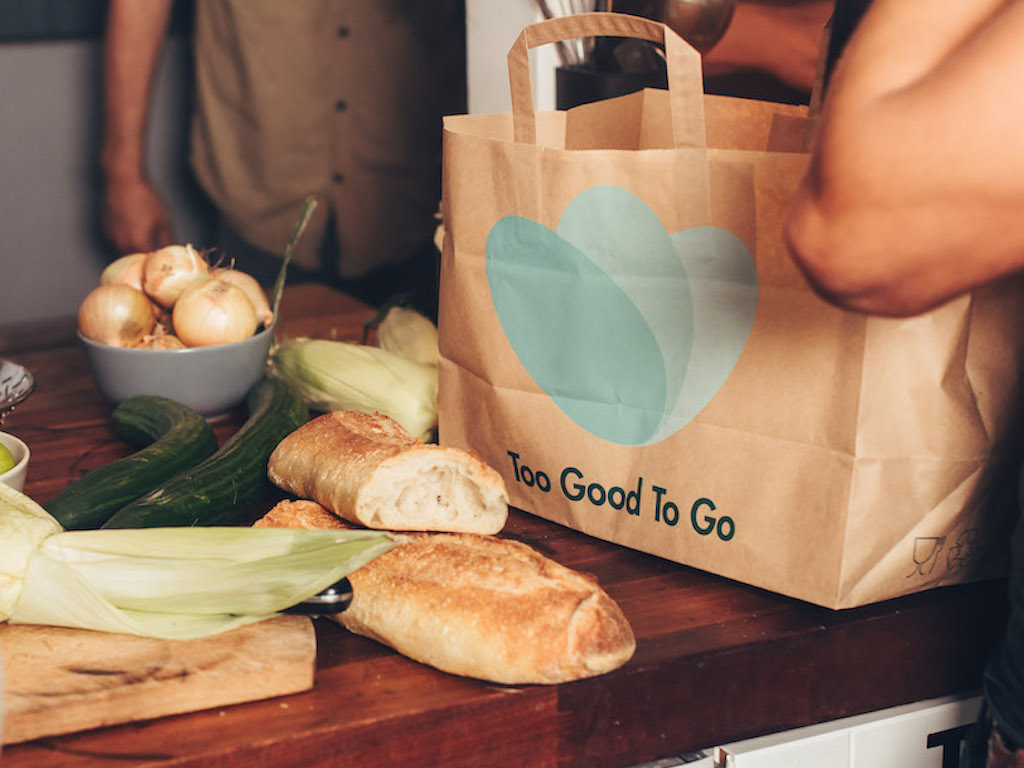
Too Good To Go – Saving Food, One Meal at a Time
Founded in 2015, Too Good To Go is a Copenhagen-based sustainability startup that connects restaurants, bakeries, supermarkets, and cafes with consumers to sell unsold food at heavily discounted prices.
Instead of letting surplus food go to waste at the end of the day, businesses list “surprise food bags” on the app, which users can buy and collect before closing time. The result is a simple but powerful model: reduce food waste, lower emissions, and make food more affordable.
The startup operates across Europe, North America, and parts of Asia, becoming one of the most recognized consumer climate-tech companies in the world.
Founding Story
Too Good To Go was co-founded by Kasper G. Sivam, Stuart Lansley, Brian Christensen, and Chris Wilson, a group of entrepreneurs who noticed a structural inefficiency in the food industry: massive daily waste despite rising food insecurity.
The idea came from a simple observation—restaurants often throw away perfectly edible food at the end of the day due to strict inventory rules and unpredictable demand. The founders saw an opportunity to connect that surplus with cost-conscious consumers through a mobile platform.
They started in Denmark with a small team, focusing on validating one question: would people accept “surprise meals” if it meant saving money and reducing waste? Early adoption proved the concept worked.
Funding and Growth Milestones
- 2015: Launch in Denmark with a pilot in Copenhagen restaurants.
- 2016: Expansion into Norway, Germany, and the UK as early traction builds.
- 2018: Raises significant Series A funding (tens of millions of euros) to scale across Europe.
- 2020: Rapid adoption during COVID-19 as restaurants seek new revenue streams.
- 2021: Expands into North America, including the United States and Canada.
- 2023: Surpasses 70+ million users globally and partners with 150,000+ businesses.
- 2024–2025: Reports over 250+ million meals saved from being wasted worldwide.
The company becomes one of Europe’s leading climate-focused unicorn-scale startups in terms of impact rather than valuation alone.
Business Model and Technology
Too Good To Go operates on a marketplace model:
- Supply Side: Restaurants, bakeries, hotels, and grocery stores list surplus food at the end of the day.
- Demand Side: Users purchase “Magic Bags” at 50–80% discounts.
- App Platform: Matches real-time surplus inventory with nearby consumers.
- Revenue Model: Takes a small commission per transaction from partner businesses.
- Logistics: Pickup-based system avoids delivery costs and reduces carbon footprint.
The simplicity of the model is key: no complex logistics, no food preparation changes, just efficient redistribution of existing surplus.
Market Impact
Too Good To Go has had a measurable global impact:
- Food Waste Reduction: Hundreds of millions of meals saved from landfill.
- CO₂ Reduction: Significant reduction in greenhouse gas emissions tied to decomposing food waste.
- Business Revenue Recovery: Helps restaurants recover value from food that would otherwise be discarded.
- Consumer Behavior Shift: Normalizes buying surplus food as a sustainable choice rather than a compromise.
- Global Expansion: Active in 17+ countries across Europe and North America.
The company has effectively turned food waste into a structured secondary economy.
Challenges and Controversies
Despite its success, the startup faces key challenges:
- Supply Consistency: Availability of surplus food varies daily and seasonally.
- User Expectations: “Surprise bags” can lead to inconsistent customer experiences.
- Restaurant Integration: Not all food businesses can easily adapt operationally.
- Scalability Limits: Pickup-based model restricts usage in low-density areas.
The company addresses these through better forecasting tools, merchant education, and algorithmic matching improvements.
Future Outlook
Too Good To Go is expanding its vision beyond just surplus meals:
- Retail Expansion: Increasing partnerships with supermarkets and grocery chains.
- AI Forecasting: Using data to help businesses reduce overproduction before waste occurs.
- Policy Collaboration: Working with governments on food waste regulation and reporting.
- Global Scaling: Expansion into Asia-Pacific and deeper penetration in the U.S. market.
- Awareness Campaigns: Driving cultural change around food expiration labels and consumption habits.
The long-term goal is not just redistribution—but prevention of food waste at the source.
Too Good To Go shows how a simple idea, executed with scale and consistency, can create massive environmental and economic impact. By turning surplus food into accessible meals, the startup bridges sustainability and affordability in a way few companies have achieved.
Its story highlights a powerful truth in modern entrepreneurship: some of the biggest global problems can be solved not with complex technology, but with smarter systems connecting existing resources.