Uber — The Startup That Redefined Urban Transportation
How two entrepreneurs built a ride-hailing giant that reshaped mobility, logistics, and the gig economy
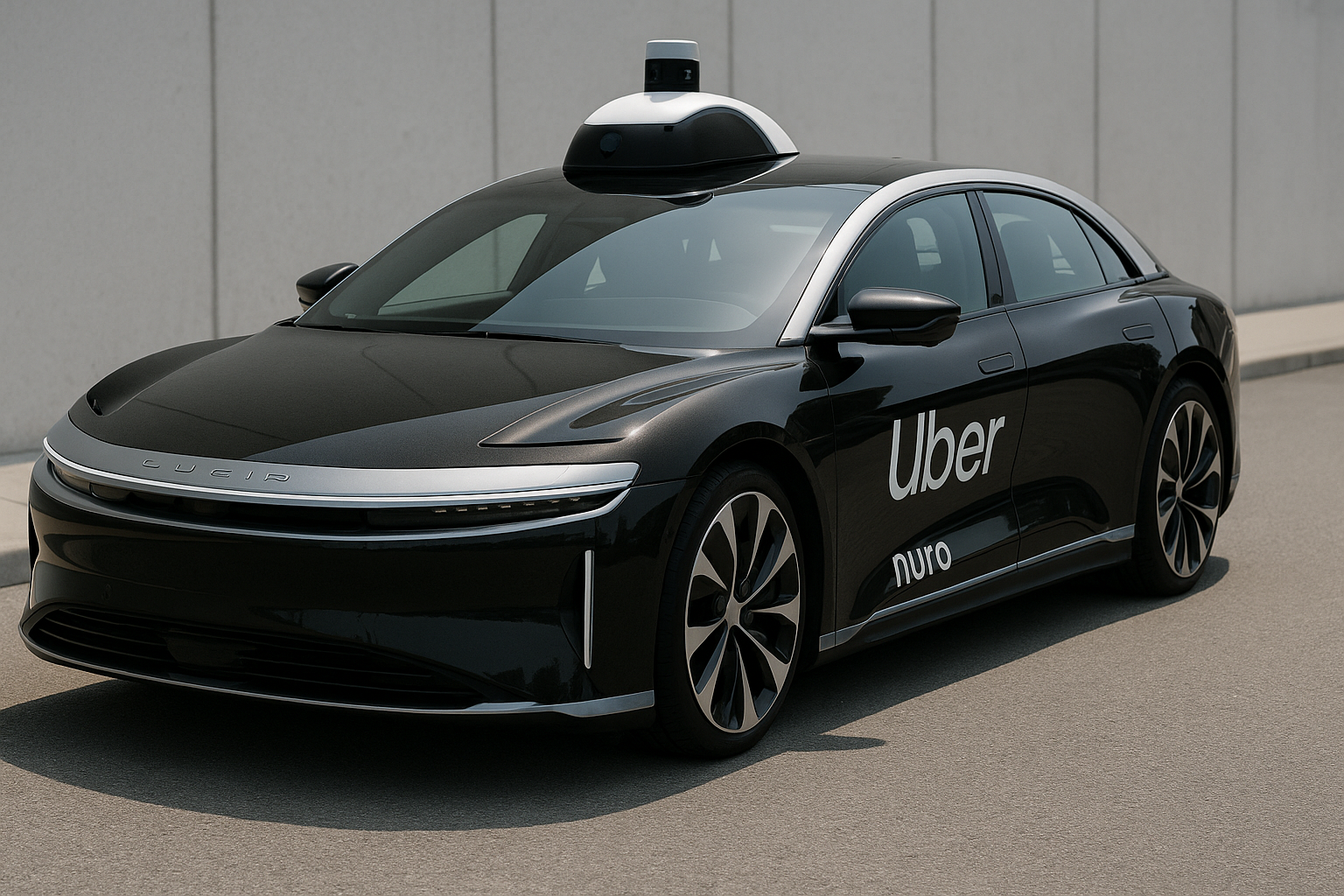
Uber – From Ride-Hailing Idea to Global Mobility Platform
Founded in 2009, Uber is a U.S.-based transportation and technology company that began as a simple idea: tap a button and get a ride. What started as a premium black-car service in San Francisco evolved into one of the world’s largest mobility platforms, operating in ride-hailing, food delivery, freight, and logistics.
Uber’s mission is to “ignite opportunity by setting the world in motion,” connecting riders, drivers, restaurants, and delivery partners through a unified digital marketplace. Today, it is a foundational player in the global gig economy.
Founding Story
Uber was co-founded by Travis Kalanick and Garrett Camp after Camp struggled to find reliable transportation in Paris during a winter visit. The frustration sparked a simple question: what if a ride could be requested instantly from a phone?
Initially launched as “UberCab” in San Francisco, the service connected users to licensed drivers using a mobile app. The early version focused on convenience, cashless payments, and premium black-car rides, targeting urban professionals.
As adoption grew, Uber rapidly expanded beyond luxury transport into mass-market ride-sharing, fundamentally changing how people move in cities.
Funding and Growth Milestones
Uber’s growth is one of the fastest in startup history, fueled by aggressive expansion and large-scale venture funding:
- 2010: Seed funding of around $1.25 million to launch UberCab in San Francisco.
- 2011: Series A funding of $11 million, enabling expansion into New York and other U.S. cities.
- 2013: Raised $258 million, reaching a valuation of over $3.5 billion.
- 2014–2015: Rapid global expansion into Europe, Asia, and Latin America; valuation surged past $50 billion.
- 2016: Expanded into UberEats, entering the food delivery market.
- 2019: IPO on the New York Stock Exchange with a valuation of around $75 billion.
- 2023+: Reached tens of billions in annual gross bookings across mobility, delivery, and freight.
Uber’s funding trajectory reflects its aggressive “growth-first” strategy, prioritizing global scale over short-term profitability.
Business Model and Technology
Uber operates as a multi-sided digital marketplace powered by real-time logistics:
- Ride-Hailing Platform: Matches riders with nearby drivers using GPS and algorithmic pricing.
- Dynamic Pricing (Surge Pricing): Adjusts fares based on demand and supply conditions.
- UberEats: Food delivery network connecting users with restaurants and couriers.
- Uber Freight: Logistics platform connecting shippers with trucking capacity.
- Revenue Model: Commission-based earnings from drivers, delivery fees, and service charges.
The platform relies heavily on machine learning for route optimization, pricing efficiency, fraud detection, and demand forecasting.
Market Impact
Uber has reshaped multiple industries simultaneously:
- Transportation: Replaced traditional taxi monopolies in hundreds of cities.
- Gig Economy: Popularized flexible, app-based work for millions of drivers and couriers.
- Urban Mobility: Reduced friction in short-distance travel with instant access and cashless payments.
- Food Delivery Expansion: UberEats became a major competitor in global food logistics.
- Logistics Innovation: Uber Freight introduced algorithm-driven freight matching.
The company effectively turned transportation into a software-driven service layer.
Challenges and Controversies
Uber’s rapid rise came with significant challenges:
- Regulatory Battles: Legal conflicts with taxi unions and city regulators worldwide.
- Profitability Pressure: Heavy subsidies and expansion costs delayed profitability for years.
- Workforce Classification: Ongoing debates over whether drivers are contractors or employees.
- Corporate Culture Issues: Early internal culture challenges led to major leadership restructuring.
Despite these issues, Uber implemented governance reforms and compliance frameworks to stabilize operations.
Future Outlook
Uber continues evolving from a ride-hailing app into a global logistics and mobility ecosystem:
- Autonomous Vehicles: Investment in self-driving technology partnerships.
- Electric Mobility: Expansion of EV incentives for drivers and fleet electrification.
- Super App Strategy: Integration of mobility, delivery, freight, and financial services.
- Global Market Expansion: Deepening presence in emerging markets with high urban density.
Uber’s long-term strategy is to become a full-stack mobility infrastructure platform rather than just a transport app.
From a simple idea born out of transportation frustration to a multi-billion-dollar global platform, Uber fundamentally transformed how the world moves. With Travis Kalanick and Garrett Camp at its origin, the company set the blueprint for the modern gig economy and on-demand services.
Uber’s story demonstrates how technology can reshape entire industries by turning everyday friction into scalable digital systems.