Green Tech Rising in Central and Eastern Europe
Where Innovation Meets Industry

Central and Eastern Europe are quietly transforming into global powerhouses for green technology manufacturing. Once known primarily for heavy industry and traditional manufacturing, countries across this region are now at the forefront of renewable energy, electric mobility, and sustainable production. From sleek wind turbines being assembled in Poland to cutting-edge solar panel factories in Hungary, these countries are blending engineering excellence with environmental ambition, creating hubs that attract investors, innovators, and multinational corporations alike.
A Legacy of Engineering Transformed
The region’s industrial past provides a unique advantage. Highly skilled workforces, decades of mechanical expertise, and strong technical universities have created the perfect foundation for green tech innovation. Factories that once produced coal machinery or conventional vehicles are now repurposed to assemble electric buses, high-capacity batteries, and advanced recycling systems. This transformation is not only economic—it’s cultural. Engineers and technicians are embracing a new era where precision meets sustainability, turning once-polluting industrial zones into cutting-edge production centers.
Strategic Locations and Investment Incentives
Central and Eastern Europe offer more than technical talent—they offer logistics, connectivity, and favorable investment climates. Countries like Poland, the Czech Republic, and Romania are strategically positioned near major Western European markets, allowing green tech products to reach global consumers efficiently. Governments actively support the sector through tax incentives, grants, and partnerships, making the region highly attractive for companies seeking to scale manufacturing while reducing costs. Green corridors are emerging, where clusters of factories, research centers, and start-ups create ecosystems that accelerate innovation and productivity.
Sustainability at the Core of Manufacturing
What sets these hubs apart is the integration of sustainability into every stage of production. Factories operate with renewable energy sources, waste is minimized through circular economy practices, and advanced technologies monitor carbon footprints in real-time. From wind turbine blade fabrication in Slovakia to lithium-ion battery assembly in Hungary, environmental responsibility is no longer an afterthought—it is a competitive advantage. The region demonstrates that industrial growth and ecological mindfulness can coexist, producing products that are not only high-quality but aligned with global sustainability goals.
A Magnet for Global Corporations
The region’s rise in green tech manufacturing has not gone unnoticed. Major multinational corporations are establishing regional headquarters and production facilities, attracted by both expertise and efficiency. Partnerships between local governments, universities, and private enterprises foster innovation clusters, where start-ups and established companies collaborate on research, prototyping, and scale-up. This synergy is accelerating breakthroughs in clean energy, electric mobility, and sustainable materials, positioning Central and Eastern Europe as a critical link in the global green tech supply chain.
A New Industrial Renaissance
Central and Eastern Europe are no longer peripheral players—they are central to the green revolution. By combining deep engineering traditions, strategic geography, and a forward-thinking approach to sustainability, the region has created manufacturing hubs that rival Western Europe and Asia. The story unfolding here is one of transformation, resilience, and ambition. Green tech is not just a market; it is a movement, and Central and Eastern Europe are proving that industrial heritage can be reinvented for a cleaner, smarter, and more sustainable future.
Innovation Hubs Shaping the Future
Across the region, cities and industrial zones have been transformed into innovation hubs that feel more like tech campuses than traditional factories. In Wroclaw, Krakow, and Bratislava, research centers buzz with engineers developing next-generation solar cells and high-efficiency wind turbines. Laboratories are filled with prototypes of energy storage systems, robotics-assisted assembly lines, and AI-powered monitoring systems that optimize production while reducing environmental impact. These hubs are magnets for young talent, attracting graduates and specialists eager to contribute to the clean tech revolution while working in environments that blend creativity, precision, and cutting-edge technology.
Collaboration Across Borders
One of the most remarkable aspects of Central and Eastern Europe’s green tech surge is the level of cross-border collaboration. Companies, governments, and universities form alliances that span multiple countries, pooling resources, knowledge, and expertise. For instance, battery research in Hungary complements manufacturing in Slovakia, while Poland’s wind turbine innovations supply neighboring countries with components and consulting. These collaborative networks reduce costs, accelerate innovation, and create a shared vision of a sustainable industrial ecosystem that strengthens the entire region.
Economic and Social Transformation
The rise of green tech manufacturing is not just about technology—it is reshaping economies and societies. Regions once dependent on heavy industry and coal mining are experiencing a renaissance. Employment opportunities are shifting from traditional labor-intensive roles to high-skilled, tech-focused positions, providing attractive careers for younger generations. Towns and cities benefit from infrastructure upgrades, improved environmental quality, and the prestige of being associated with global clean tech initiatives. The green tech boom is proving that sustainability and prosperity can go hand in hand, creating a blueprint for how industrial regions worldwide can reinvent themselves while addressing climate challenges.
From Old Factories to Green Giants
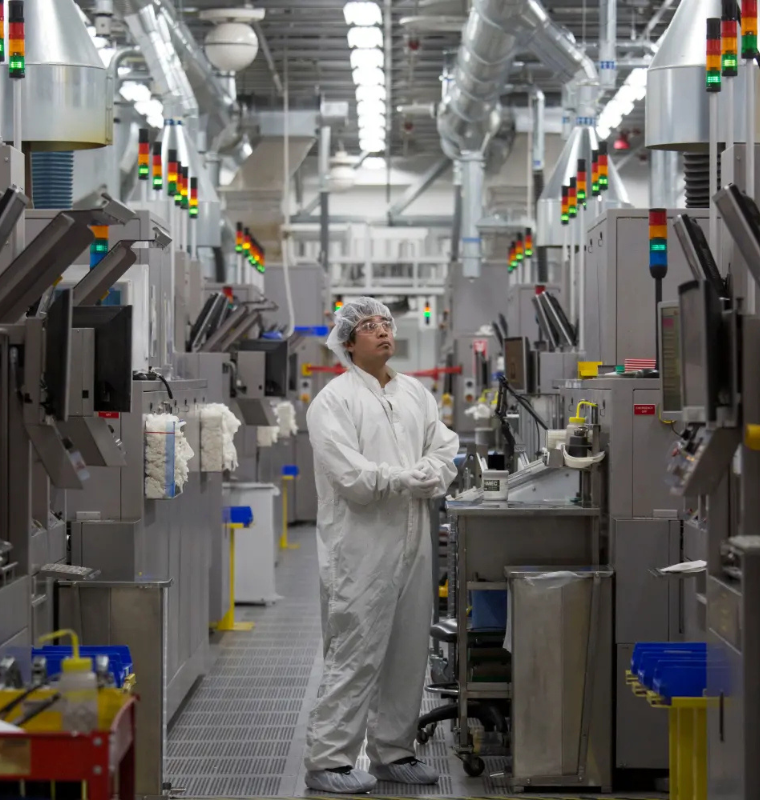
Across Central and Eastern Europe, the transformation of old industrial landscapes into green tech powerhouses is nothing short of remarkable. Rusting steel mills and disused assembly lines have been reimagined as gleaming factories producing solar panels, hydrogen fuel cells, and electric vehicle components. High ceilings now house robotic arms and automated conveyor systems, while natural light floods open-concept production halls designed for both efficiency and sustainability. The contrast is striking: regions once synonymous with pollution and industrial decline are now showcases of innovation, combining heritage infrastructure with cutting-edge technology to produce products that power a cleaner, greener world.
A Human Element Driving Innovation
Behind the machines and solar panels are teams of engineers, researchers, and technicians whose expertise is driving the region’s green tech revolution. These are highly skilled professionals, many trained in local universities with deep ties to engineering traditions that span generations. Their work goes beyond technical precision—they are problem solvers and visionaries, designing solutions to reduce carbon emissions, improve energy efficiency, and maximize sustainability. In lab spaces and production floors alike, collaboration, experimentation, and creativity form the lifeblood of the industry, reminding the world that innovation is as much about people as it is about technology.
Global Supply Chains Anchored in the Region
Central and Eastern Europe is now an essential link in global green tech supply chains. Components manufactured in Poland, Hungary, the Czech Republic, and Slovakia are exported worldwide, powering wind farms in Scandinavia, solar arrays in Southern Europe, and electric vehicles in Asia and North America. The region’s strategic geographic location, combined with a highly skilled workforce and competitive costs, ensures that it is not merely a production hub but a global center for innovation and quality. The green tech ecosystem here has grown into a complex web of factories, research centers, and logistics networks, forming a backbone for sustainable industries and reinforcing the region’s rising influence on the global stage.
Innovation Clusters Fueling Regional Growth
Across Central and Eastern Europe, clusters of innovation are emerging that connect factories, research labs, and start-ups in a dynamic ecosystem. Cities like Brno, Warsaw, and Bucharest are seeing entire districts devoted to green tech, where engineers, designers, and entrepreneurs collaborate on projects that range from next-generation batteries to precision wind turbines. These hubs foster creativity and accelerate problem-solving, allowing ideas to move quickly from prototype to mass production. Beyond efficiency, the atmosphere of collaboration creates a sense of shared purpose—a collective drive to position the region at the forefront of the global clean tech revolution.
Bridging Traditional Industry and Sustainable Futures
The region’s green tech boom also represents a bridge between its industrial past and a sustainable future. Factories once focused on steel, coal, and heavy machinery now house solar module assembly lines and hydrogen fuel cell production. The transformation is not just physical but cultural, as companies integrate sustainability into their core missions. Environmental compliance is embedded into every process, and companies track energy usage, emissions, and waste in real time. This melding of tradition and innovation has created a blueprint for how industrial regions worldwide can pivot toward cleaner, smarter production without sacrificing economic growth.
Attracting Global Investment and Partnerships
The success of Central and Eastern Europe’s green tech sector has attracted attention from multinational corporations, venture capitalists, and governments eager to invest in sustainable solutions. Joint ventures, cross-border partnerships, and technology licensing deals are becoming commonplace, bringing in capital, expertise, and international credibility. From funding state-of-the-art battery production facilities in Poland to supporting wind turbine research in the Czech Republic, global stakeholders recognize the region’s strategic importance. This influx of investment not only accelerates innovation but also reinforces the perception of Central and Eastern Europe as a hub where high-tech manufacturing, sustainability, and economic growth converge.
Empowering Local Communities
The green tech boom in Central and Eastern Europe is transforming more than just factories—it is reshaping communities. Towns once defined by declining heavy industries now thrive with new job opportunities in engineering, research, and advanced manufacturing. Schools and universities are partnering with companies to develop specialized programs, ensuring a steady stream of skilled professionals. Local economies are revitalized as suppliers, service providers, and infrastructure projects flourish, creating a ripple effect that extends far beyond the factory walls. In many regions, green tech has become a source of pride, offering communities a sense of purpose and connection to the global movement toward sustainability.
Sustainability as a Competitive Advantage
Sustainability is no longer just an environmental concern; it is a strategic advantage that sets Central and Eastern European manufacturers apart. Companies here are investing in cutting-edge renewable energy solutions for their facilities, using AI to monitor and optimize production, and implementing circular economy practices to minimize waste. Every panel, battery, or turbine produced reflects a commitment to reducing carbon footprints, and clients worldwide increasingly choose suppliers who combine quality with eco-consciousness. This focus on sustainable manufacturing positions the region not just as a cost-effective alternative, but as a leader in producing high-value, environmentally responsible products for the global market.
Pioneering the Future of Green Technology
Looking ahead, Central and Eastern Europe’s role in green tech shows no signs of slowing. From advanced battery innovations to smart grid solutions, from wind and solar production to hydrogen infrastructure, the region is poised to lead the next wave of clean energy transformation. Its combination of skilled labor, industrial heritage, strategic geography, and sustainability-driven innovation creates a unique ecosystem where breakthroughs happen faster, smarter, and more efficiently. Central and Eastern Europe is no longer a peripheral player—it is an essential hub in the global shift toward a greener, cleaner, and more technologically advanced future.
Final Thoughts A Green Industrial Renaissance
Central and Eastern Europe is no longer just a map of old industrial towns—it is a living testament to transformation, ingenuity, and the power of sustainable ambition. Walking through the gleaming new factories, it is impossible not to feel the hum of progress: robotic arms assembling solar panels with precise, rhythmic movements, engineers huddled over blueprints that could define the future of energy, and test labs glowing with soft light as advanced batteries charge and discharge in carefully controlled cycles. Every corner of the region pulses with a sense of purpose, a deliberate melding of heritage and innovation, where the echoes of heavy industry have been replaced by the promise of cleaner, smarter production.
The human story behind this revolution is just as compelling. Across Poland, Hungary, the Czech Republic, Slovakia, and Romania, generations of engineers and technicians are reimagining their craft, applying decades of expertise to problems the world has never faced before. Their hands are guided by knowledge inherited from industrial legacies, yet their minds are entirely forward-looking—designing, testing, and perfecting technologies that will power cities, vehicles, and homes for decades to come. These innovators are more than employees; they are the custodians of a regional renaissance, translating ambition into tangible products that ripple across global markets.
Sustainability here is tangible, not abstract. Solar panels glint on rooftops, wind turbines hum across distant hills, and battery factories hum with low-emission efficiency. Rivers that once bore the scars of industrial waste now reflect a cleaner, greener reality, evidence of a profound commitment to balancing economic growth with environmental stewardship. This is a region that demonstrates how industrial revival can coexist with climate responsibility—a rare, instructive blueprint for the world.
Globally, Central and Eastern Europe has become a strategic anchor in the green tech ecosystem. Multinational corporations, investors, and policymakers now look to these countries not merely as manufacturing sites, but as collaborators in shaping the future of sustainable technology. Every turbine, every battery, every high-efficiency module produced here carries with it the weight of innovation, the precision of heritage, and the promise of a cleaner planet.
In essence, Central and Eastern Europe is redefining what it means to industrialize responsibly, to innovate boldly, and to connect local expertise with global demand. This is not just a story of factories or factories turned clean; it is a story of vision, human ambition, and a region rising to meet the world’s greatest challenges with skill, creativity, and relentless determination. For anyone witnessing this transformation, the message is clear: the future of green technology is not being written in Silicon Valley alone—it is being forged across the rolling hills, bustling cities, and inventive minds of Central and Eastern Europe.
Continue reading with MarketSpy Premium
This is a premium report. Unlock the full story and the entire archive for just $1 per week.
- Unlimited access to every premium report
- Exclusive deep-dive analysis and research
- Ad-light reading and the full MarketSpy archive
- Cancel anytime