The Tiny Home Revolution Among Millennials
Living Large in Small Spaces
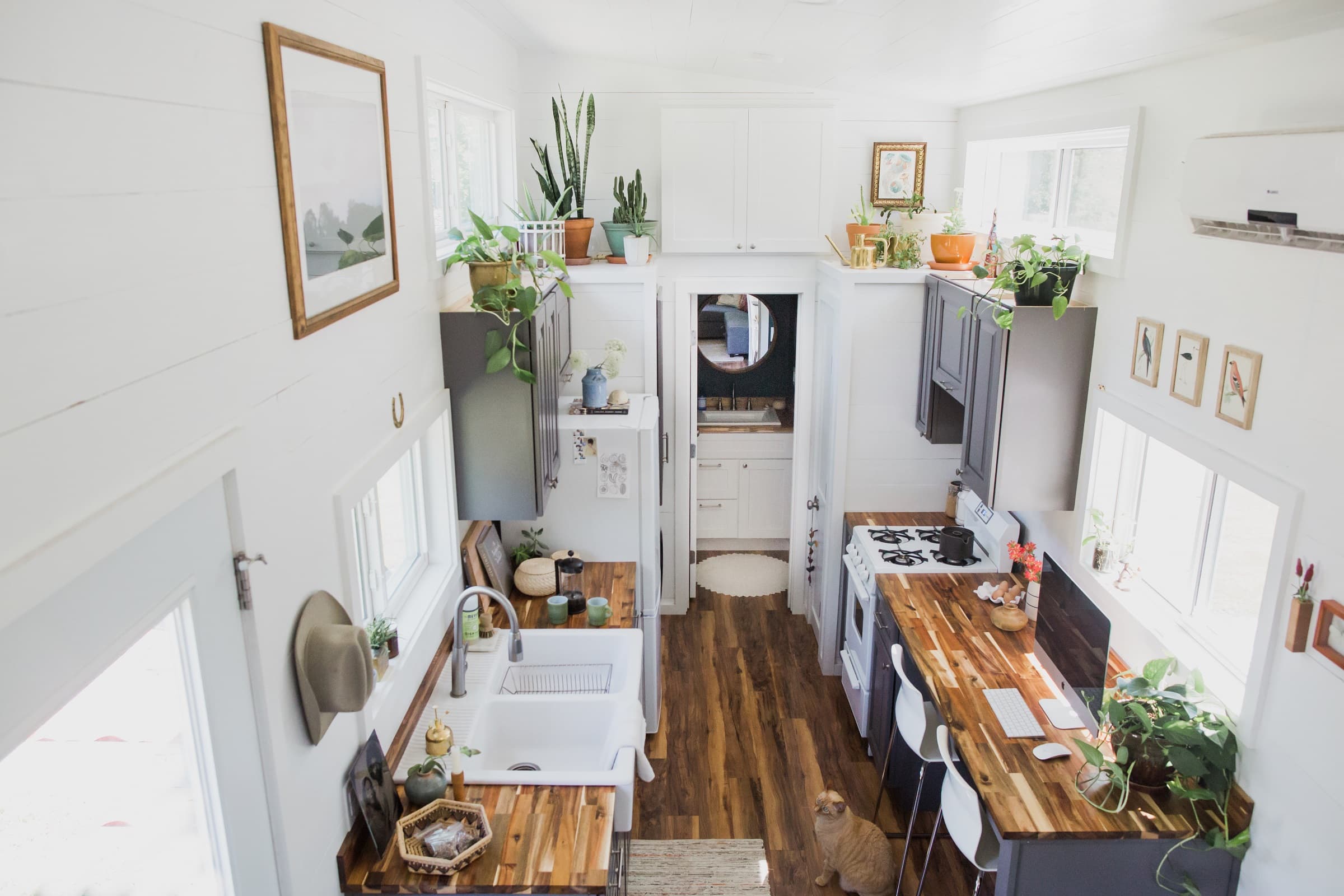
Across the United States, a new housing trend is reshaping the way millennials think about home and lifestyle. Tiny homes—compact, innovative dwellings often under 400 square feet—are no longer just a quirky idea for the adventurous; they have become a symbol of freedom, financial independence, and intentional living. With soaring urban rents and a growing desire to simplify life, millennials are trading square footage for flexibility, design, and the ability to live closer to the things that matter most.
Design Meets Functionality
Modern tiny homes are masterpieces of efficiency and style. Every inch is carefully planned, with multifunctional furniture, hidden storage, and smart home technology that makes small spaces feel expansive. From fold-out beds and retractable tables to solar-powered appliances and sleek kitchenettes, these homes blend comfort with innovation. Millennials are drawn not only to the affordability of tiny living but to the creativity it demands—each home becomes a personal expression of ingenuity and lifestyle priorities.
Freedom and Mobility
Tiny homes offer a mobility that traditional housing cannot. Many are built on wheels, allowing owners to relocate to different cities, states, or even coastlines without the burdens of traditional real estate. For millennials seeking adventure, career flexibility, or proximity to nature, this mobility is invaluable. Weekend trips become extensions of the home itself, and communities of tiny home owners often form networks, creating a culture of shared experiences, workshops, and sustainable living tips.
Sustainability as a Lifestyle Choice
A major appeal of tiny homes is their reduced environmental footprint. Less space means less energy consumption, smaller waste production, and a heightened awareness of resource use. Millennials are drawn to the idea that living smaller can contribute to a larger impact on the planet. Eco-friendly materials, composting systems, rainwater harvesting, and energy-efficient designs are common, turning these homes into showcases of modern sustainability without sacrificing luxury or comfort.
A Movement That Redefines Home
Tiny homes are more than a trend—they are a statement of values. For millennials, living small is about reclaiming time, prioritizing experiences over possessions, and creating spaces that reflect personal identity rather than societal expectations. The movement challenges conventional ideas of wealth and success, offering a lifestyle that emphasizes simplicity, connection, and creativity. As more millennials embrace this compact lifestyle, tiny homes are proving that when it comes to living well, bigger is not always better.
Community and Connection in Compact Living
Tiny home living often fosters a sense of community that large suburban neighborhoods rarely offer. Millennials gravitate toward clusters of these homes—both stationary and mobile—forming vibrant micro-communities where neighbors share resources, skills, and social events. Garden plots, communal workshops, and co-living spaces encourage collaboration, creativity, and connection. Here, social bonds grow stronger because space is intentional and shared experiences are prioritized, creating a lifestyle where personal fulfillment and community go hand in hand.
Financial Freedom Through Minimalism
For many millennials, tiny homes represent more than just a unique living space—they are a gateway to financial freedom. With mortgages dramatically smaller or sometimes entirely avoided, residents can redirect funds toward travel, business ventures, or investing in passions that conventional housing often restricts. This financial flexibility is part of the appeal: living small becomes a deliberate choice to prioritize experiences over possessions, giving homeowners a sense of liberation that larger homes rarely afford.
Creativity Meets Personal Expression
Compact living challenges residents to think creatively about every aspect of their home. From lofted sleeping areas to sliding doors and multifunctional furniture, tiny homes push the boundaries of interior design. Millennials infuse personality into every corner, curating décor, colors, and layouts that reflect their individual tastes and values. Even the smallest details—lighting, textiles, and clever storage solutions—become statements of ingenuity, turning each home into a unique work of art. Living small, in this way, becomes a canvas for self-expression, proving that lifestyle and creativity are inseparable in the tiny home movement.
Living Closer to Nature
Tiny homes allow millennials to reconnect with the natural world in ways traditional housing rarely permits. Many of these homes are strategically located near forests, lakes, or mountains, offering panoramic views and direct access to outdoor activities. Decks that open to sunrise vistas, floor-to-ceiling windows framing autumn foliage, and gardens cultivated with care create a constant dialogue between the interior space and the surrounding environment. Residents often wake to birdsong, fresh air, and the subtle scents of wood and earth—a daily immersion in tranquility that fosters mindfulness and a slower, more intentional pace of life.
Technology and Smart Solutions in Minimal Spaces
Despite their small footprint, tiny homes are often equipped with advanced technology that maximizes comfort and convenience. Smart lighting, app-controlled climate systems, and energy-efficient appliances transform compact spaces into sophisticated, fully functional homes. Solar panels and off-grid energy solutions allow for sustainable living without compromising modern standards. Millennials embrace these innovations not only for practicality but also for the sense of independence they provide—living in a tiny home becomes a seamless blend of minimalism, sustainability, and high-tech sophistication.
Redefining Success and Happiness
At its core, the tiny home movement challenges traditional notions of success. For millennials, bigger is no longer inherently better. A home is no longer a status symbol defined by square footage or property taxes; it is a vessel for freedom, creativity, and personal fulfillment. Living small allows for bigger experiences—more travel, stronger relationships, and a lifestyle built around values rather than obligations. Every inch of a tiny home is a deliberate choice, reflecting a mindset where intentionality, sustainability, and quality of life take precedence over material accumulation. In this way, tiny homes are not just about living small—they are about living better.
Flexibility and Mobility Redefine Home
One of the most compelling aspects of tiny home living is the freedom it offers. Many millennials choose homes on wheels, turning every move into an opportunity for adventure. Coastal drives, mountain escapes, or weekend trips to urban hubs become seamless extensions of daily life, without the constraints of conventional property ownership. Mobility transforms the concept of “home” from a static location to a personal experience, allowing residents to chase new horizons while maintaining the comforts of a familiar, fully equipped space. Every journey is curated, every stop a chance to live intentionally.
The Art of Mindful Living
Tiny home residents often discover that small spaces encourage mindfulness. Every item must earn its place, every corner serves a purpose, and clutter is eliminated by necessity. This intentional approach fosters mental clarity and a heightened appreciation for quality over quantity. Morning routines take on a new serenity when sunlight floods a compact living room or kitchen, and evenings are savored on a small porch overlooking a quiet landscape. The minimalism of tiny homes becomes a daily practice of conscious living, where each choice reflects priorities, values, and a commitment to simplicity without sacrificing beauty or comfort.
A Lifestyle That Inspires Creativity and Innovation
Living in a tiny home is a constant exercise in creativity. Residents experiment with innovative storage solutions, space-saving furniture, and multifunctional designs that challenge conventional thinking. Walls double as desks, staircases conceal storage, and lofted areas become sleeping or office spaces. These clever solutions turn everyday living into an ongoing design project, allowing millennials to express personality, craftsmanship, and ingenuity. Beyond aesthetics, this creativity cultivates resourcefulness and adaptability—skills that extend beyond the home into work, travel, and personal endeavors—demonstrating that a compact lifestyle can inspire a life of limitless possibility.
Experiencing a Sense of Freedom
Tiny home living gives millennials an unparalleled sense of freedom. Free from the financial pressures of conventional mortgages, residents can travel, explore, or invest in experiences that matter most. Some use their homes as mobile offices, blending remote work with breathtaking views of mountains, lakes, or oceans. Others embrace spontaneous adventure, moving seasonally to chase ideal weather, cultural events, or unique landscapes. In every sense, living small creates space—both physically and mentally—for exploration, spontaneity, and the kind of life that larger, fixed homes often make impossible.
Cultivating a Deeper Connection to Community
While tiny homes are compact, they often bring people closer together. Shared spaces within tiny home communities—gardens, communal kitchens, or outdoor fire pits—encourage social interaction, collaboration, and cultural exchange. Residents form tight-knit networks, supporting one another through skill sharing, workshops, and events. This social dynamic fosters belonging and connectivity, showing that living small doesn’t mean isolation; rather, it creates intentional spaces for building meaningful relationships in a lifestyle that values connection over accumulation.
Sustainability Becomes a Lifestyle Choice
Living in a tiny home is inherently sustainable, but for many millennials, it evolves into a deliberate lifestyle choice. Homes are built using recycled or eco-friendly materials, energy consumption is minimized, and water-saving and composting systems are common. Even day-to-day habits—from meal preparation to waste management—are designed to reduce environmental impact. Sustainability becomes a personal ethic rather than a trend, reinforcing the idea that minimalism and conscientious living are not sacrifices but pathways to a more deliberate, enriched, and harmonious way of life.
Embracing the Art of Living Small
Tiny home living is more than a housing choice—it is a philosophy, a deliberate act of reclaiming life from the chaos of excess. Every inch of these compact spaces is a testament to intention, creativity, and mindful design. Sunlight streams through carefully positioned windows, illuminating clever storage solutions, foldable furniture, and handcrafted details that turn every corner into a functional work of art. The gentle hum of appliances, the scent of fresh wood, and the tactile warmth of textiles create a sensory environment that feels both cozy and meticulously curated. In these homes, minimalism is transformed into luxury, simplicity into sophistication, and small spaces into immersive sanctuaries.
Beyond the walls, tiny home living reshapes relationships—with the self, with others, and with the environment. Residents cultivate deep connections with their neighbors in micro-communities where shared gardens, workshops, and communal gatherings become a fabric of belonging. Every interaction is intentional, every shared meal or conversation enriched by proximity and common purpose. Even nature becomes part of the home itself—morning mist over a nearby lake, the rustle of leaves in the wind, and the scent of wildflowers or freshly tilled soil bring a constant, grounding awareness of the world outside, reminding residents that home extends far beyond walls.
Ultimately, tiny homes offer millennials a radical redefinition of freedom. Freed from the constraints of mortgages, clutter, and conventional expectations, residents embrace mobility, flexibility, and experiences over possessions. Each day becomes an exercise in living deliberately, where design, sustainability, and personal expression converge. Tiny homes are not just a retreat—they are a lens through which life is reimagined. They show that luxury is not measured in square footage, but in intentionality, creativity, and the richness of experience. In every carefully curated corner, every sunrise over a deck, and every quiet moment of reflection, tiny home living whispers a powerful truth: that living smaller can lead to living larger, fuller, and more vibrantly than ever before.
Continue reading with MarketSpy Premium
This is a premium report. Unlock the full story and the entire archive for just $1 per week.
- Unlimited access to every premium report
- Exclusive deep-dive analysis and research
- Ad-light reading and the full MarketSpy archive
- Cancel anytime